What has the ECB done?
The ECB has extended its quantitative easing programme by an extra six months, until the end of March 2017.
What does that actually mean?
The ECB is currently buying €60 billion-worth of bonds a month as a way of injecting cash into European banks. This was supposed to stop in September 2016 but it’s now been extended by six months.The ECB has also said it will start buying regional and local government debt.
That means the ECB is going to use €60 billion of new money (that it creates) a month to buy debt off governments at all levels as a way of improving liquidity – or available cash – in the economy.
Why?
One word: deflation. Inflation in the EU is currently at 0.1 per cent last month, way below the target 2 per cent. The ECB wants to stop it slipping further into deflation, which would mean that the price of goods and services would be going down month on month.
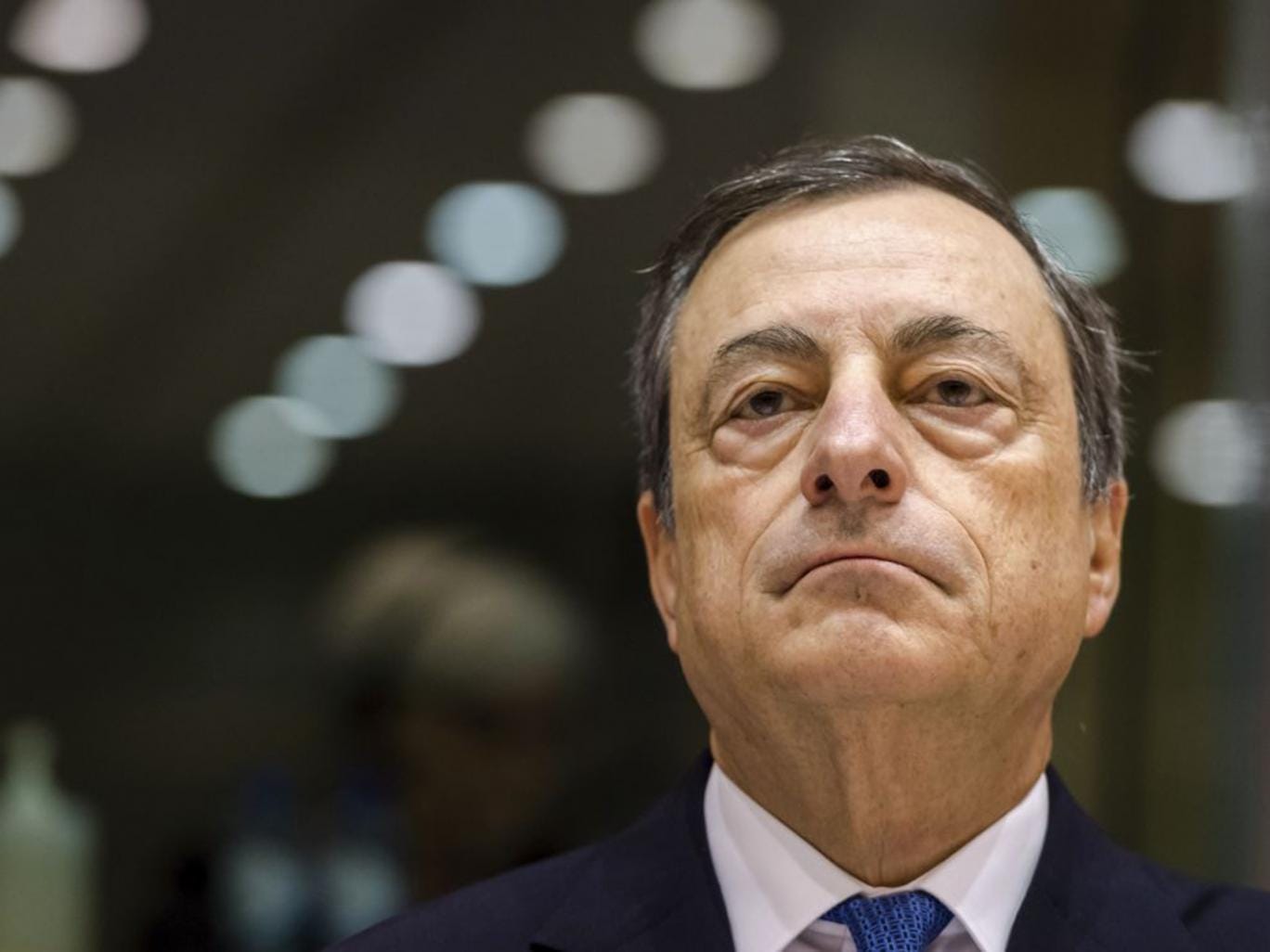
Draghi said that the current rate of QE - plus the cheaper price of oil - is helping the Eurozone to recover, but that more is needed. "Let me make this clear. We are doing more, because it works, not because it fails," he said.
If we hit deflation, households may start to hold off on spending to wait for things to get cheaper, companies will do the same with their investments, and prices would fall again.
And what’s this about a deposit rate?
The ECB has cut the deposit rate for banks from 0.2 per cent to 0.3 per cent in another attempt to push inflation up from record low levels and get the European economy moving again.
What’s the deposit rate?
First of all, it affects banks, not consumers or businesses.
The ECB is a bank for other banks, which use it to deposit money from loans (from quantitative easing, for example), when they don’t want to spend them. Banks will now be charged slightly more for these deposits to try and encourage them to spend, not park, their cash.
Does that mean we will have to start paying money on savings deposits with our banks?
Unlikely – retail banks depend upon savings deposits as a source of funding, so banks don’t like to charge customers to put money away.
What about interest rates on mortgages and other loans?
Banks decide what money to lend rates to customers based on how much their own funding costs, but that decision is based on many factors, not just the deposit rate. So it’s hard to say whether the lending rate will change based on this one decision.