Professor Monty Priede from the University of Aberdeen was shocked by the finds: "The terrain looked the same, mirror images of each other, but that is where the similarity ended. We were surprised at how different the animals were on either side of the ridge which is just tens of miles apart. It seemed like we were in a scene from Alice Through the Looking Glass."
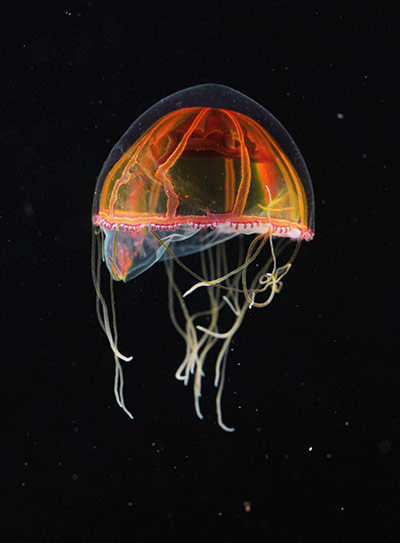
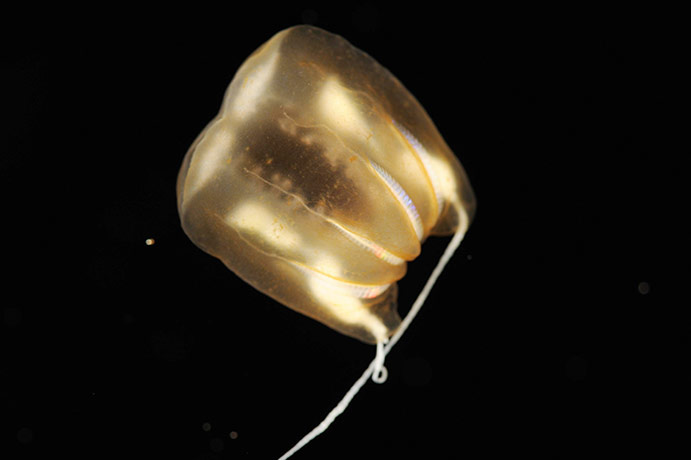
This Hydromedusa is one of the potential new species. The latest generation of remote operated vehicles (ROVs) were used to catch it in its habitat 2,500m below sea level.
Photograph: David Shale/University of Aberdeen/PA
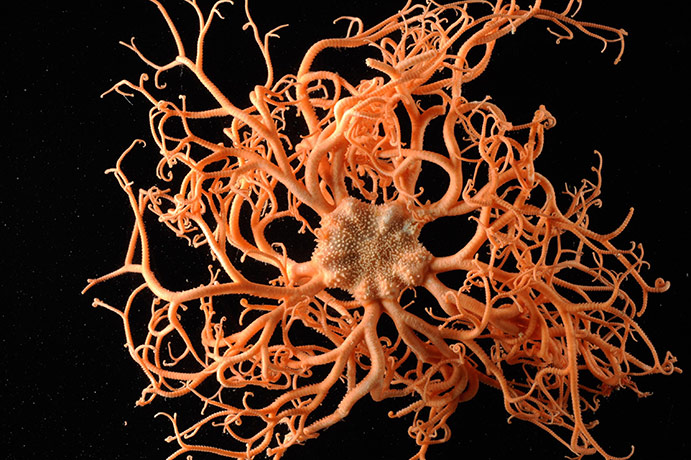
This Basket Star or Gorgon Head Starfish is a rare cousin to the starfish, it feeds on plankton and shrimp and uses its arms to walk.
Photograph: David Shale/University of Aberdeen/PA
Photograph: David Shale/University of Aberdeen/PA
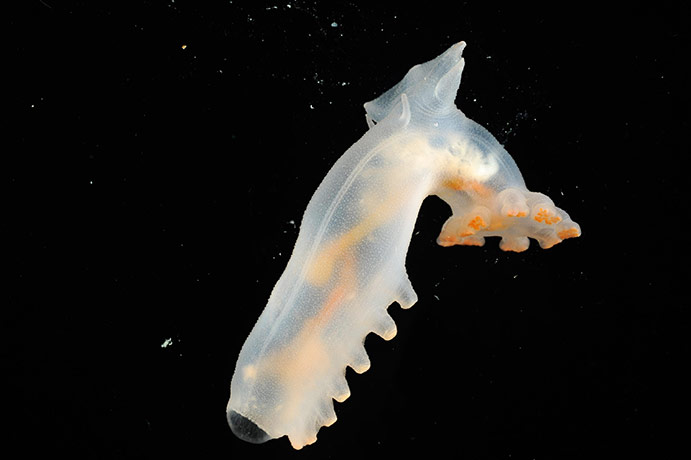
Photograph: David Shale/University of Aberdeen/PA
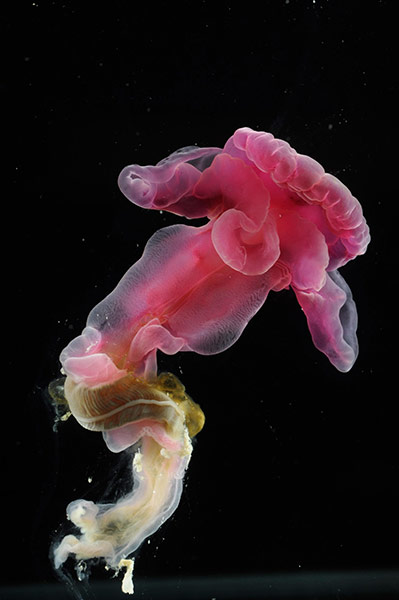
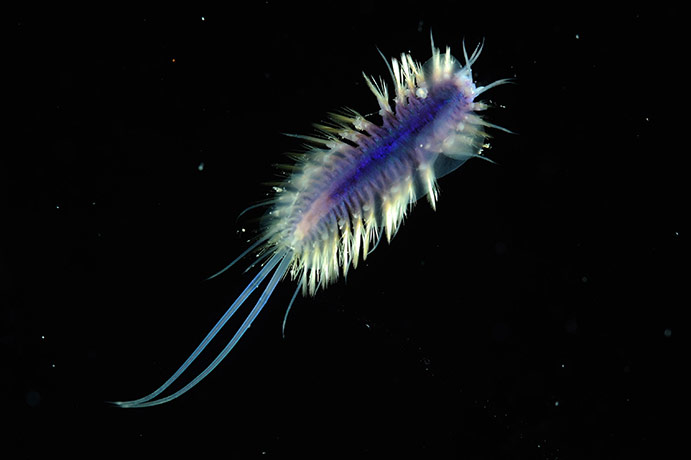
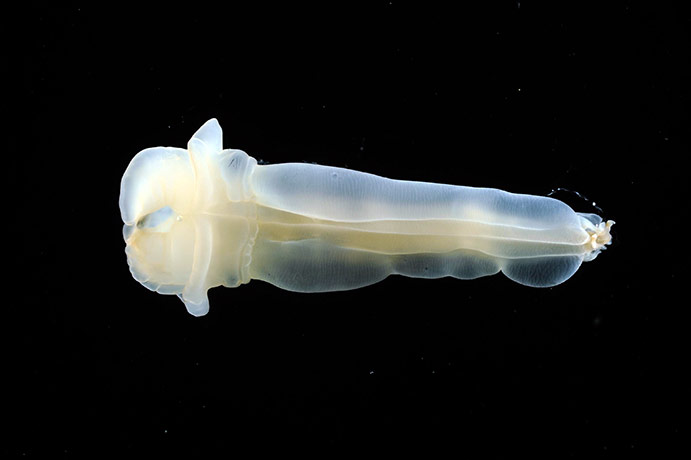
This Enteropneust Hemichordate (acorn worm) from the benthic boundary layer, was found attached to seafloor by adhesive tentacles.
Photograph: David Shale/University of Aberdeen/PA
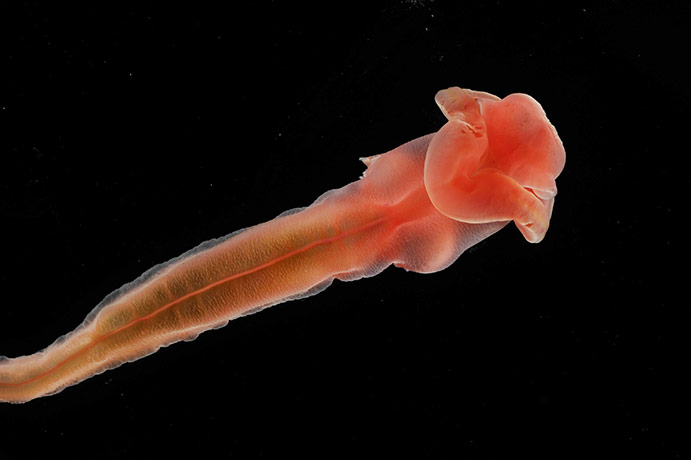
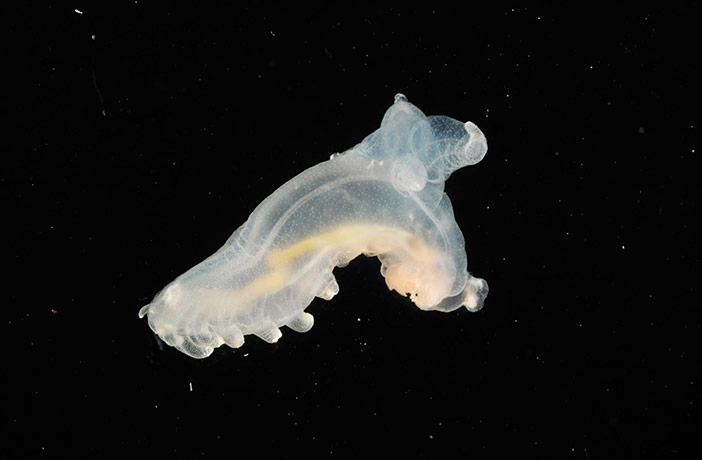
The haul also includes sea cucumbers with suckers that enable it to climb the rocky, undersea cliff faces, and one creature that could be the missing link between backboned animals and invertebrates.
Photograph: David Shale/University of Aberdeen/PA
Photograph: David Shale/University of Aberdeen/PA
Photograph: David Shale/University of Aberdeen/PA
Photograph: David Shale/University of Aberdeen/PA
Photograph: David Shale/University of Aberdeen/PA