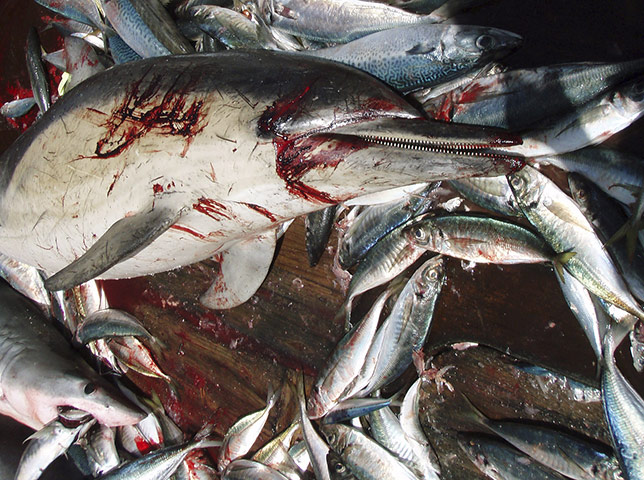
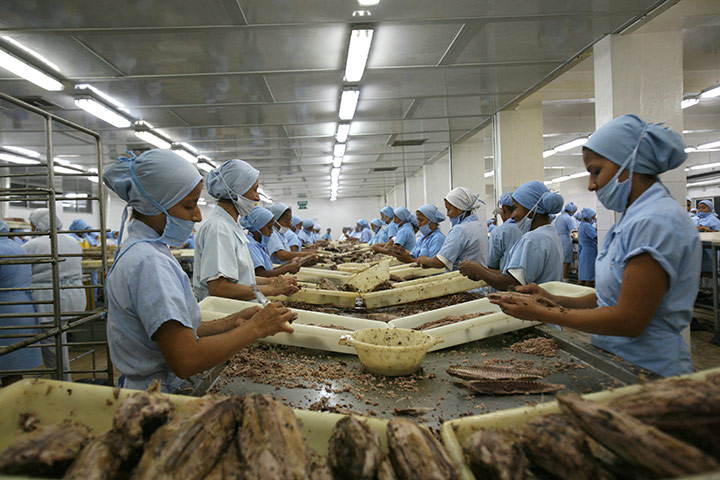
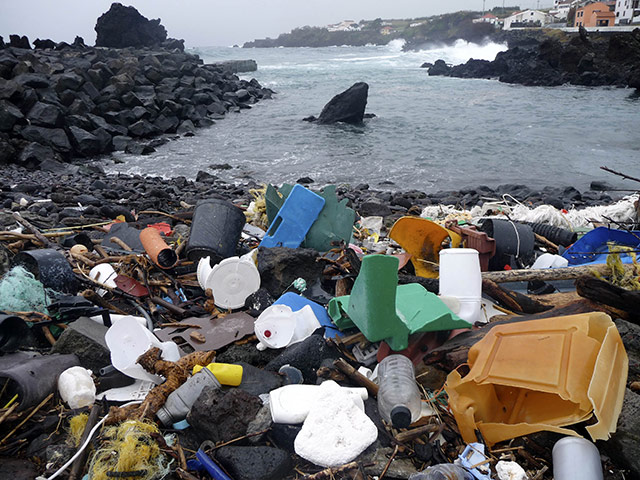
A dolphin lies on the deck of a fishing trawler after becoming trapped in nets. 'Multi-million dollar services, including fisheries, climate-control and ones underpinning industries such as tourism are at risk if impacts on the marine environment continue unchecked and unabated,' said Achim Steiner, head of the UN Environment Programme (UNEP)Photograph: APWorkers in a tuna processing factory in Ecuador. Overfishing has caused a decline in western Atlantic bluefin tuna of more than 80% since 1970. Conservation groups and marine biologists have been pushing for a ban on bluefin tuna fishing for years. An attempt to introduce a trade ban failed the at the Convention on International Trade in Endangered Species (Cites) earlier this year after heavy lobbying from the JapanesePhotograph: Ivan Kashinsky/CorbisPlastic waste on the Azores Islands in Portugal. The UNEP says marine litter poses a 'dire, vast and growing threat' to the marine and coastal environment. Most marine litter consists of material that degrades slowly, if at all, so a continuous input of large quantities of these items results in a gradual build-up Photograph: 5 Gyres/AP
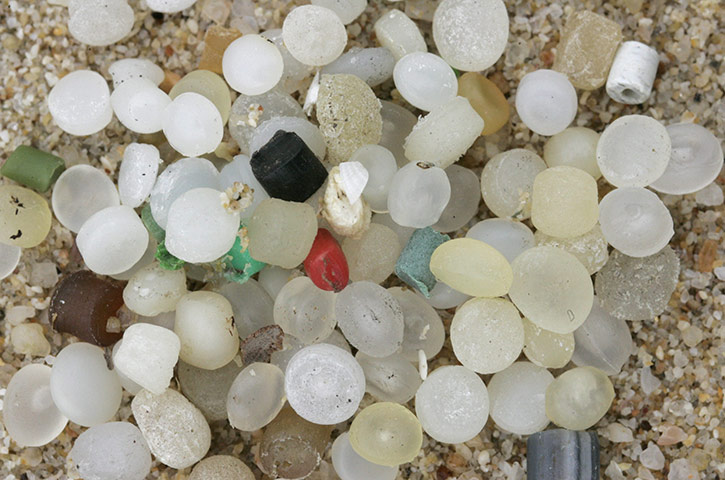
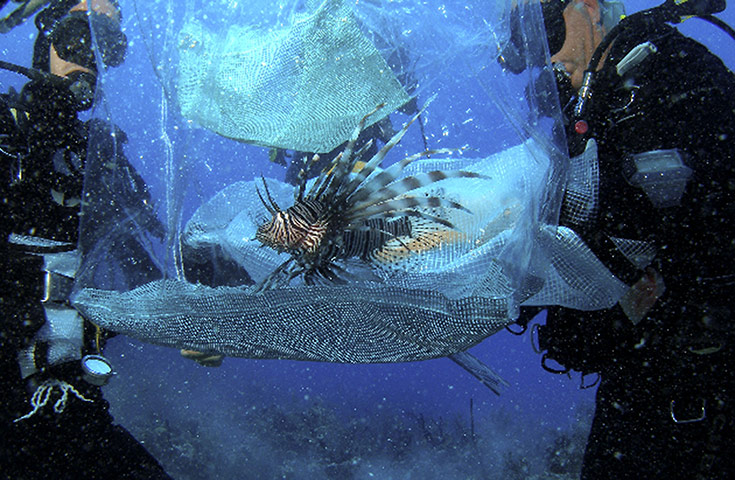
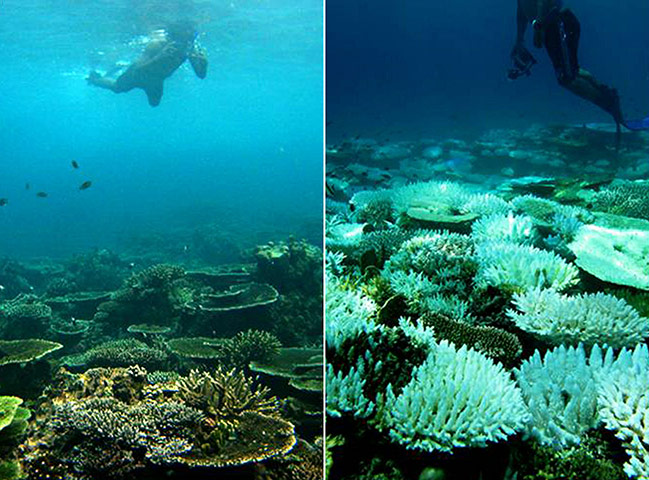
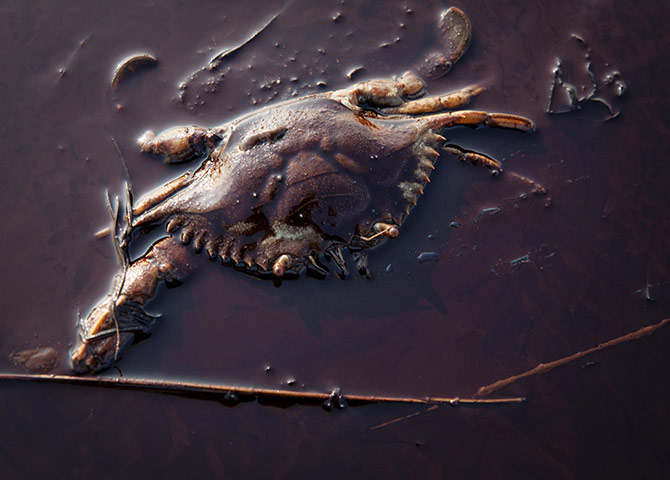
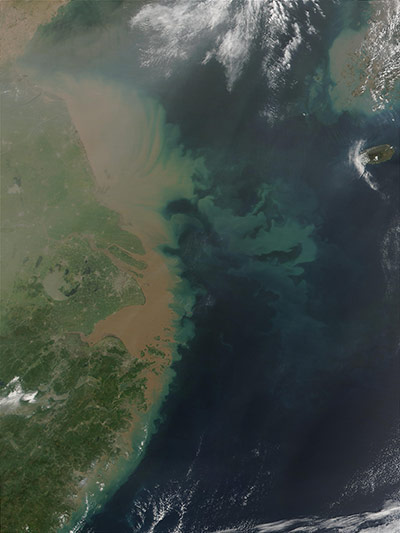
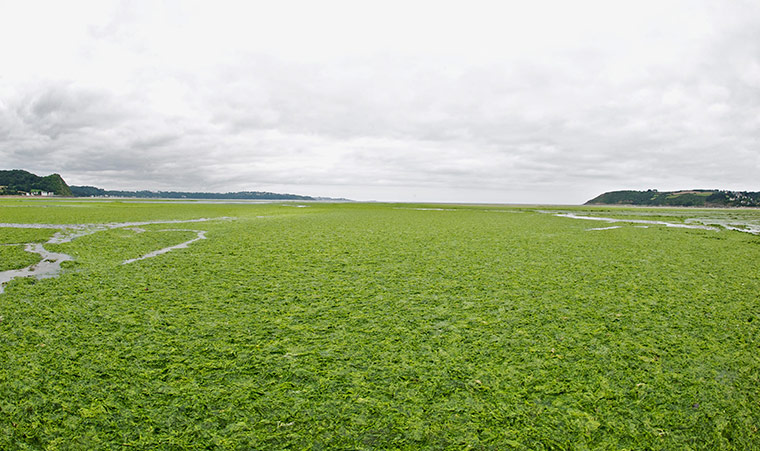
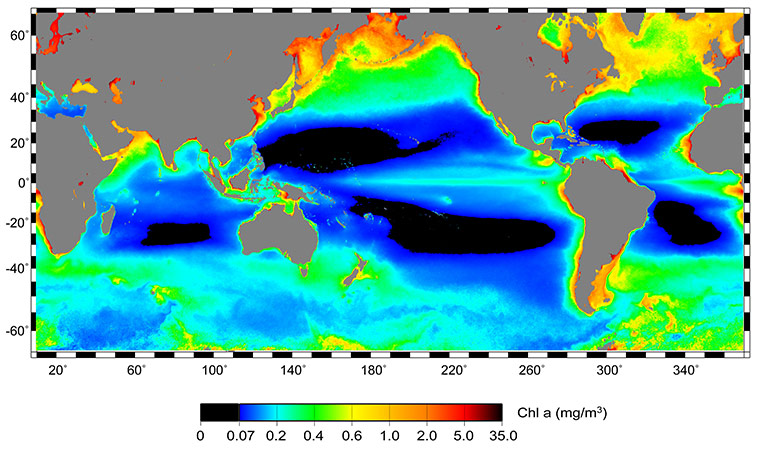
Pre-production plastic pellets, or 'nurdles' are seen on South Sokos Island, Hong Kong, China. Plastic waste in the Pacific is a huge problem. The 'great Pacific garbage patch' is a gyre of marine litter - estimates of its size range from an area the size of the state of Texas to one larger than the continental United States - stretching from about 500 nautical miles off the Californian coast, across the northern Pacific, past Hawaii and almost as far as Japan. The vast expanse of debris – in effect the world's largest rubbish dump – is held in place by swirling underwater currents Photograph: Alex Hofford/EPAAlgae engulfs a reef on Costa Rica's Pacific coast. The UNEP warns that 'nitrogen can trigger algal blooms which in turn can poison fish and other marine creatures as well as contribute to the development of so called "dead zones" - areas of sea with low oxygen concentrations. These areas have increased since the mid-1960s and now cover an estimated 246,000 km2'Photograph: STR/ReutersLicensed divers catch a red lionfish on a Cayman Islands reef. More than 300 scuba divers have been certified to catch red lionfish in a race to prevent the invasive and voracious species from consuming all the young and small fish on the Cayman Islands' famous corals reefs. The UNEP flags concerns over the rise in marine invasive species transported to regions from elsewhere, often in ships' ballast water or attached to their hullPhotograph: HO/ReutersCoral reefs off the Sumatran island of Pulau Weh, Indonesia, before (left) and after a bleaching event triggered by a large pool of warm water swept into the Indian Ocean. Coral reefs in Southeast Asia and the Indian Ocean are dying from the worst bleaching effect in more than a decade. The bleaching is caused by warm water sweeping over the reefs, shocking the corals and causing them to shed the algae which nourish them. If corals fail to regain their algae, they starve to death. The UNEP warns that climate change, if unchecked, could see surface sea temperatures rise by 2100 with important implications for coral reefs and other temperature-sensitive marine organismsPhotograph: ARC Centre Of Excellence/AFPA dead crab lies surrounded by oil from the Deepwater Horizon spill at a beach on Grand Terre Island, Louisiana. The BP disaster was the worst oil spill in US history, with severe implications for the area's wildlife. The effect of pollution on marine health is one of the main concerns outlined in the UNEP's reportPhotograph: Lee Celano/ReutersPollution and sedimentation at mouth of Yangtze river in China. The UNEP predicts a 'widespread increase in nitrogen levels' linked to wastewater, agricultural run off and emissions from vehicles and shippingPhotograph: NASASeaweed on the beaches of St Michel-en-Greve, Northern Brittany, France. More than 70 beaches in the region have been swamped by tonnes of potentially lethal rotting green algae. The seaweed has plagued the coastline for more than a decade, and reached unprecedented levels last year when a 27-year old man was dragged unconscious from a patch of rotting algae a metre deep after his horse collapsed and died from fumes given off by the sludgePhotograph: Gildas Raffenel/EPABlack areas show the least biologically productive parts of the world's oceans. These so-called ocean deserts are expanding much faster than previously predicted. The UNEP warns that by 2050 productivity will have decreased in nearly all areas and with it fish catches. It also says that the continuing decline in marine biodiversity will compromise the resilience of marine and coastal ecosystems to the impacts of climate change, as well as their ability to mitigate its effectsPhotograph: NOAA
Sign up to read this article
Read news from 100’s of titles, curated specifically for you.