The modern beauty industry is undergoing a qualitative transformation. Today, success is defined not by the number of clients, but by strategic thinking, the level of service, and a management approach.
Masters of the new generation are becoming entrepreneurs and mentors, turning small studios into self-sufficient brands.
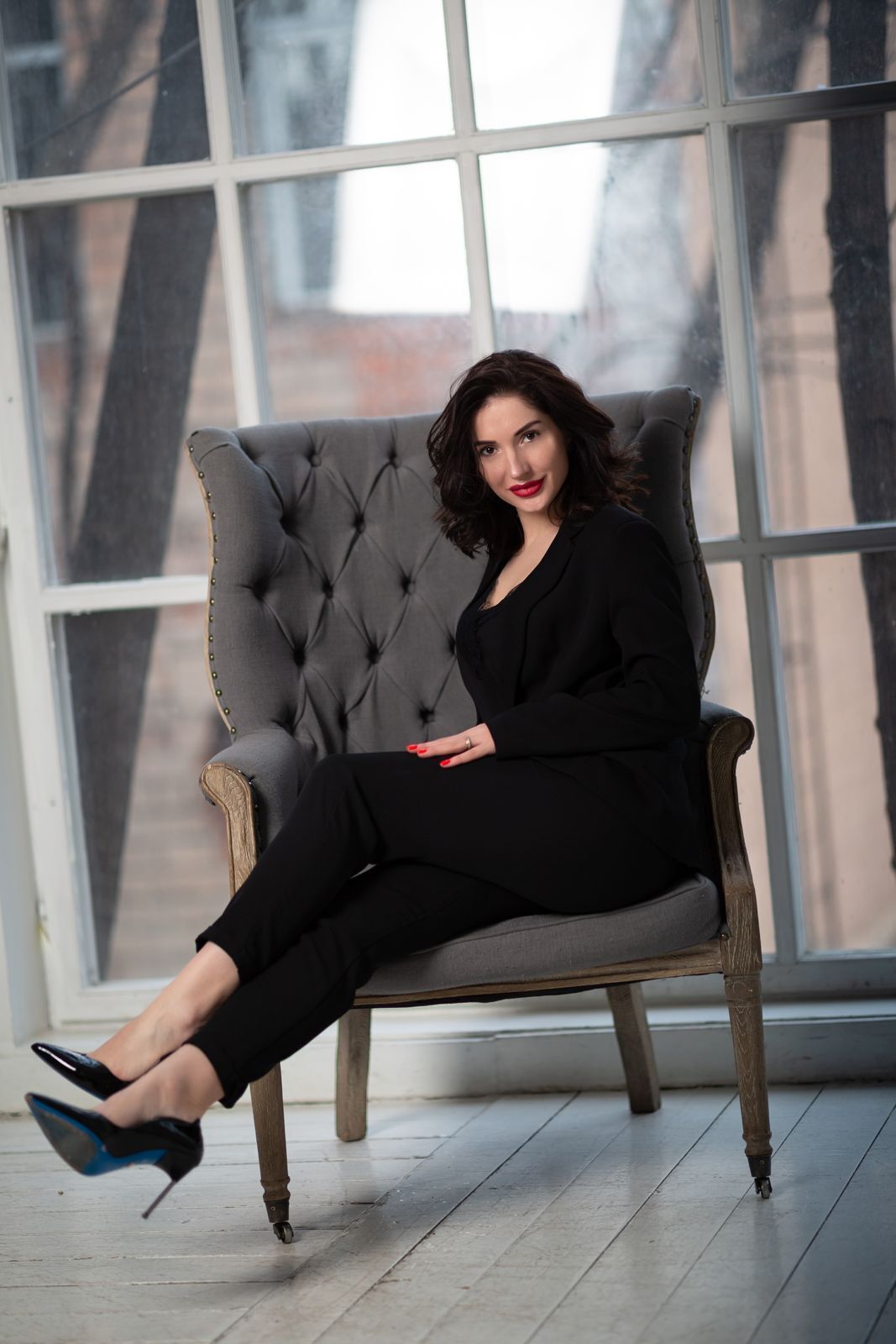
Marina Telpiz is an example of just such a specialist. Over 13 years, she has gone from a manicure master to the manager of her own practice, received the qualification of instructor, and is preparing for a new stage of her career — teaching in the United States.
Marina, in 13 years of work you have surely seen how the industry has changed. What, in your opinion, has been the main shift?
— The main change is awareness. If earlier manicure was perceived as a service, today it is part of personal image. Clients have started to understand materials, to see the difference between techniques, to be interested in safety and aesthetics. And masters, in turn, have realized that it is not enough just to “do nails” — it is necessary to build a work system, build relationships, follow standards, and constantly learn. The industry is maturing, and that is very noticeable.
You have worked independently for many years. What is the most difficult thing in managing your own studio?
— The hardest thing is self-discipline. When you work alone, there is no administrator to remind you, no director to control you. Everything is on you: materials, scheduling, timing, quality, sanitation, service, finances. But this is exactly what makes you a professional — you learn to think strategically, calculate risks, and manage processes. In fact, every independent master is a mini business manager.
You built your studio from scratch. What principle lies at the heart of your work approach?
— The space must work for the client. For me, it is important that when a person comes to me, they feel that everything is thought out to the smallest detail: cleanliness, light, atmosphere, comfort. Even such details as music or scent influence perception. This is what management in the beauty industry means — when you manage not only the service, but also the impression.
Today many masters actively promote themselves through social networks. You started doing this quite recently. Why so late?
— Probably because I always focused on quality rather than the picture. My clients came through word of mouth, and that was enough. But the world has changed: today social networks are not just advertising, they are a platform where you can share experience, build a community, and find like-minded people. So I opened Instagram, publish my work, and prepare educational content. It is a new form of communication with the audience — more open and modern.
Your client base has stayed with you for more than ten years. What is the secret of such loyalty?
— It’s very simple — respect. I never allow myself to do sloppy work or shorten the time for the sake of quantity. For me, every client is a separate story, and it’s important that the person feels care. If you pay attention to details, if you don’t economize on the quality of materials or time, clients feel that. They come back because they are sure everything here is stable and professional.
You have completed instructor training. What idea lies at the core of your future courses?
— I want to return the foundation to masters. It sounds simple, but most mistakes happen precisely because of the lack of a solid base. I see that many can decorate beautifully but don’t understand the architecture of the nail, don’t know how to properly shape the form. That’s why my first course is a basic five-day one. It will give a systematic understanding of processes, not a set of random techniques. This is a course not about “learning fast,” but about “understanding what you do.”
Why did you decide to develop your teaching career specifically in the USA?
— Because there is a completely different culture of service consumption. The American nail industry is developed, but often very template-based. Meanwhile, the Russian manicure school is one of the strongest in the world — precision, architecture, attention to detail. I want to combine these approaches, to show the American market the European level of quality and system. For me, it’s not just a move — it’s a professional challenge.
What do you think modern masters lack in order to grow to the level of an expert?
— They lack managerial thinking. Many get stuck at the craft level — they do the work well but don’t build a system. It is necessary to think in strategic categories: how to retain clients, how to build communication, how to manage time. An expert is not the one who does perfectly, but the one who consistently delivers quality and can scale their result.
What trends do you see in the nail industry today?
— Minimalism and naturalness. People are tired of overloaded designs and complex shapes. Now lightness, neatness, and anatomical correctness of the nail are valued. This requires greater mastery from the professional, because you can’t hide behind decor — everything is visible. Another trend is eco-friendliness. More and more clients are interested in the composition of materials and the safety of procedures. This shows the maturity of the audience and that the profession is becoming more responsible.
Do you plan to develop in the direction of cosmetology procedures?
— Yes, I’ve had this interest for a long time. I’ve consulted with colleagues and am studying programs in cosmetic aesthetics. I want to understand the processes as a whole — skin, care, restoration. It’s not just an additional service — it’s a step toward a comprehensive approach to beauty. In the future, I see myself as a universal specialist who can offer a client everything — from a perfect manicure to complete aesthetic care.
How do you assess the current level of the Russian nail market?
— Very high. Russia today is one of the leaders in technique and education. Our masters, educators, technologists — they are the gurus the world looks up to. But at the same time, strangely enough, we underestimate the managerial side. There are many talented people, but not everyone knows how to turn skill into a sustainable business. If we added management and communication modules to the training system, we would take the profession to a new level.
What does success mean to you?
— For me, success is stability. When you don’t chase trends but create your own standard and maintain it. It’s not about fame or likes. It’s about self-confidence, about a reputation that doesn’t need to be proven. Success is when clients talk about you themselves, when students thank you for your knowledge, and you feel that you stand on a solid professional foundation.
And finally, if you could describe the industry in one word, which would you choose?
— “Alive.” Everything in it changes, breathes, develops. You can’t stand still — if you don’t move, you’re overtaken. But that’s exactly what inspires me: to be part of a living organism that grows, improves, and constantly sets new goals before you.