SAN JUAN, Puerto Rico (Reuters) - Hurricane Maria, the strongest storm to strike Puerto Rico in nearly 90 years, carved a path of destruction through the U.S. territory on Wednesday, causing severe flooding and plunging the island into darkness as the storm's death toll in the Caribbean rose to at least 10.
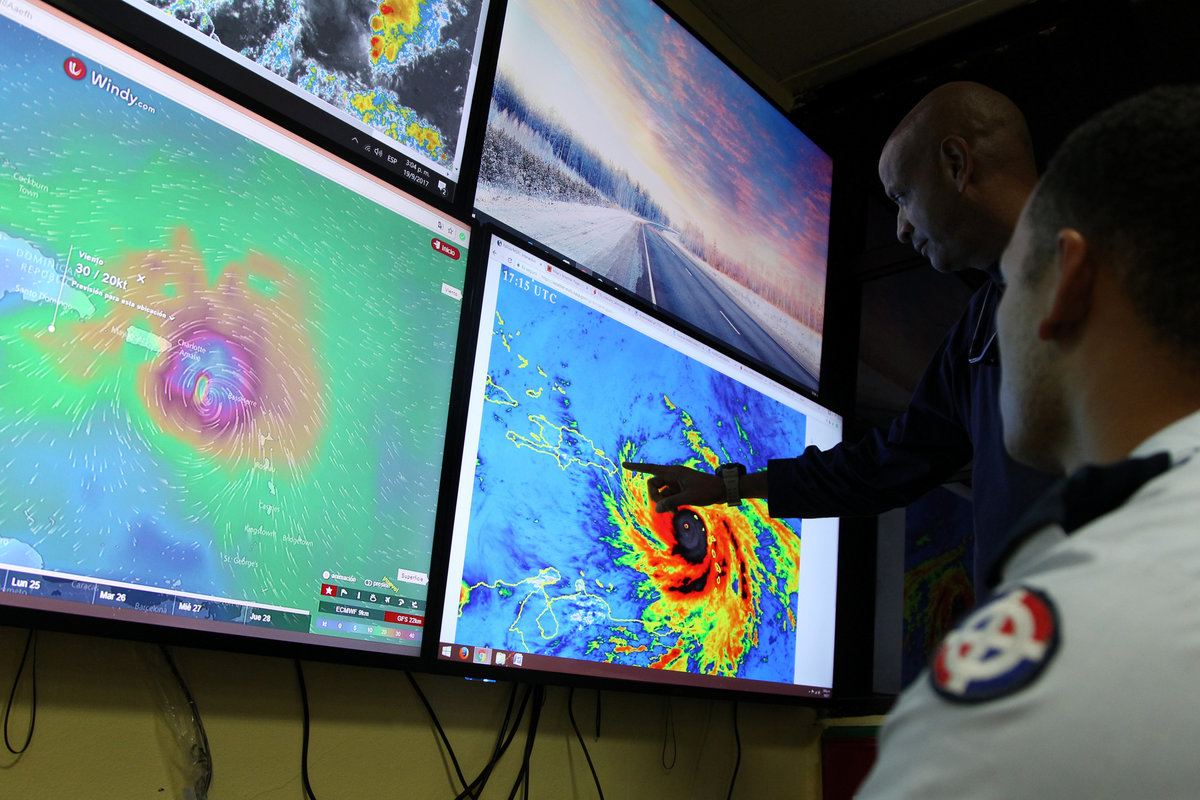
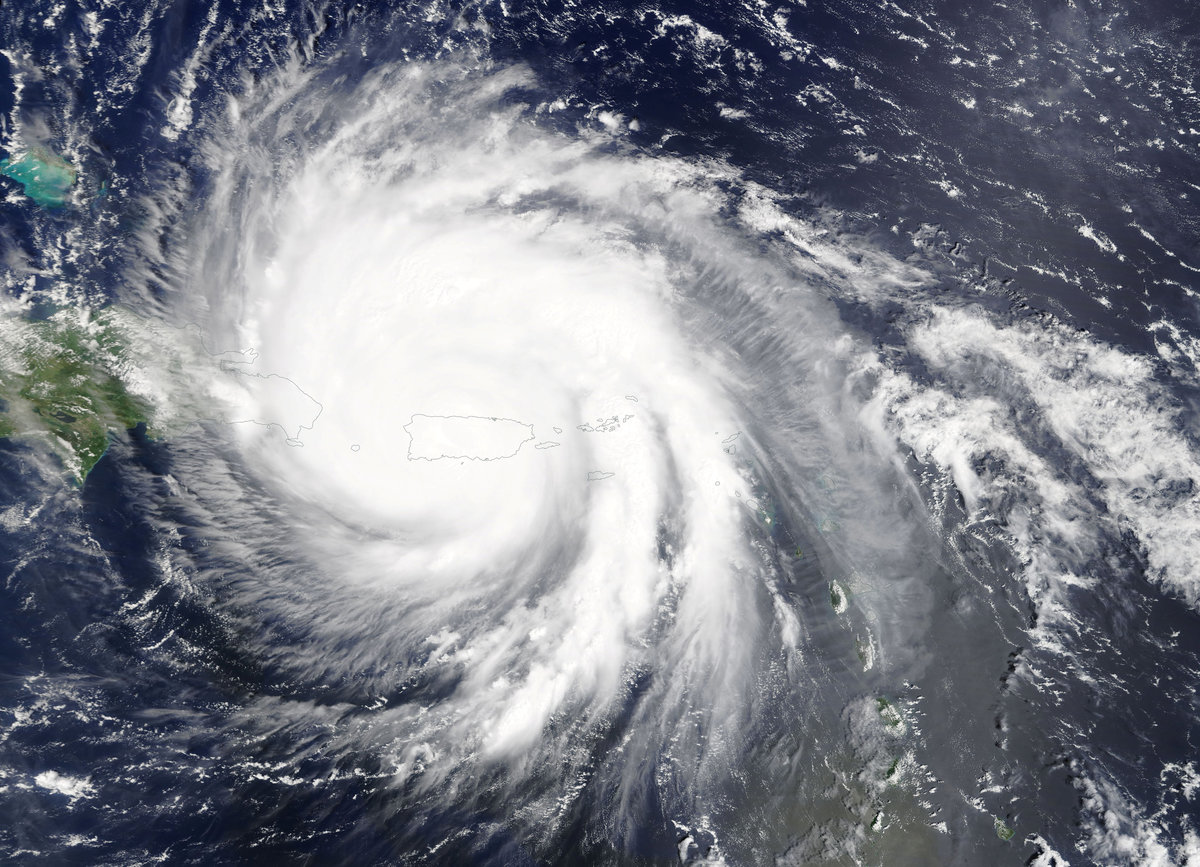
Maria, the second major hurricane to rage through the region this month, was left weakened by its encounter with Puerto Rico and on a course projected to pass north of the Dominican Republic, the Miami-based U.S. National Hurricane Center (NHC) said.
Hours earlier, Maria pummeled St. Croix, the largest and southern-most of the U.S. Virgin Islands, as a rare Category 5 hurricane on the five-step Saffir-Simpson scale, causing widespread heavy damage.
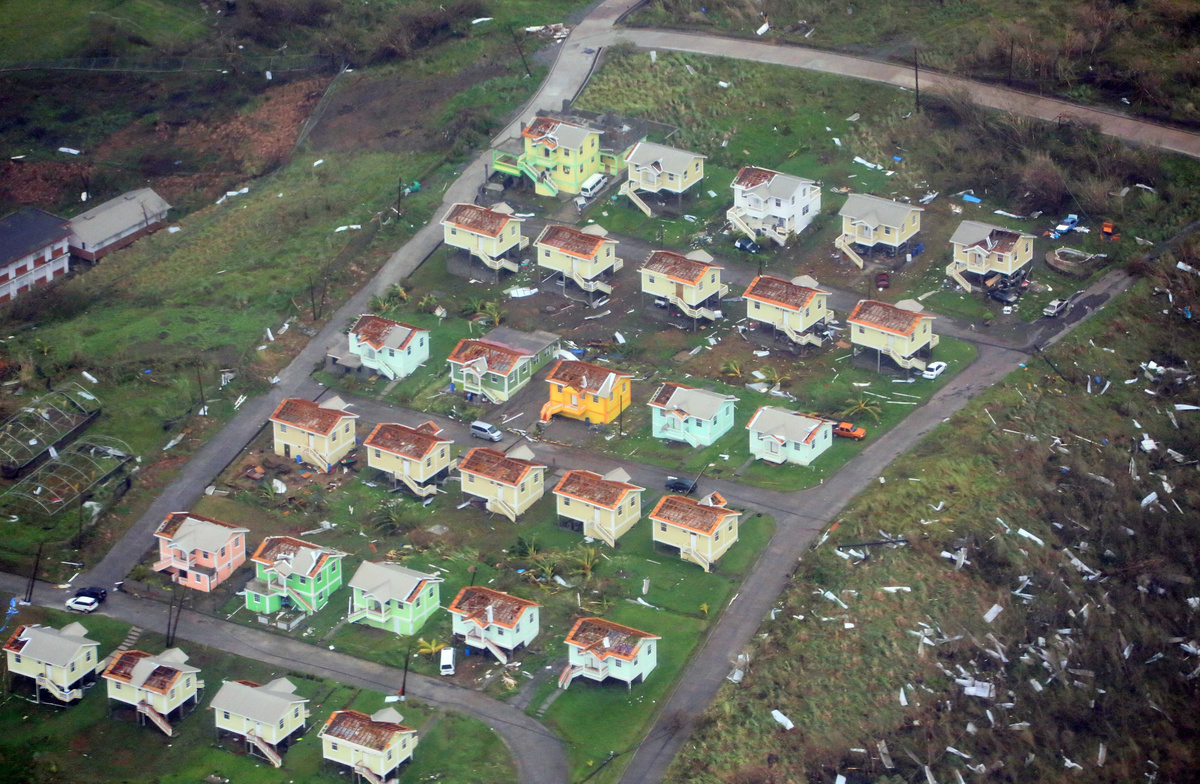
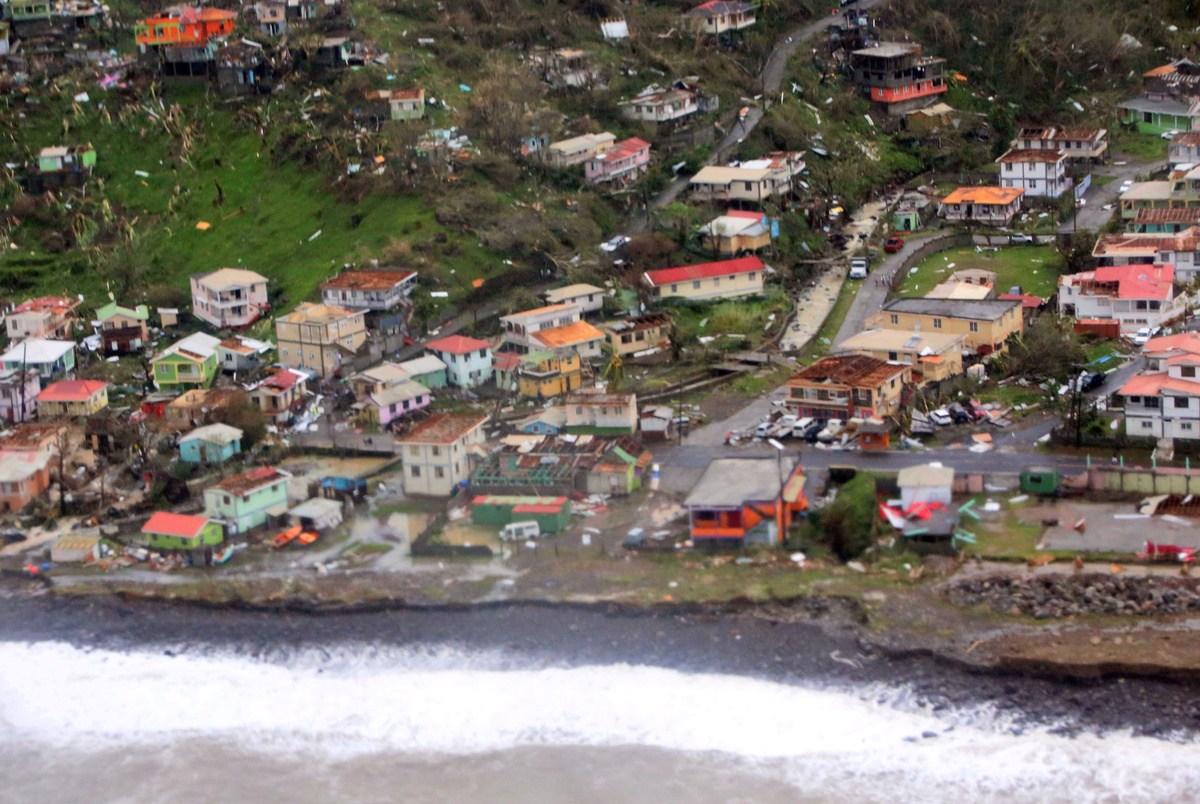
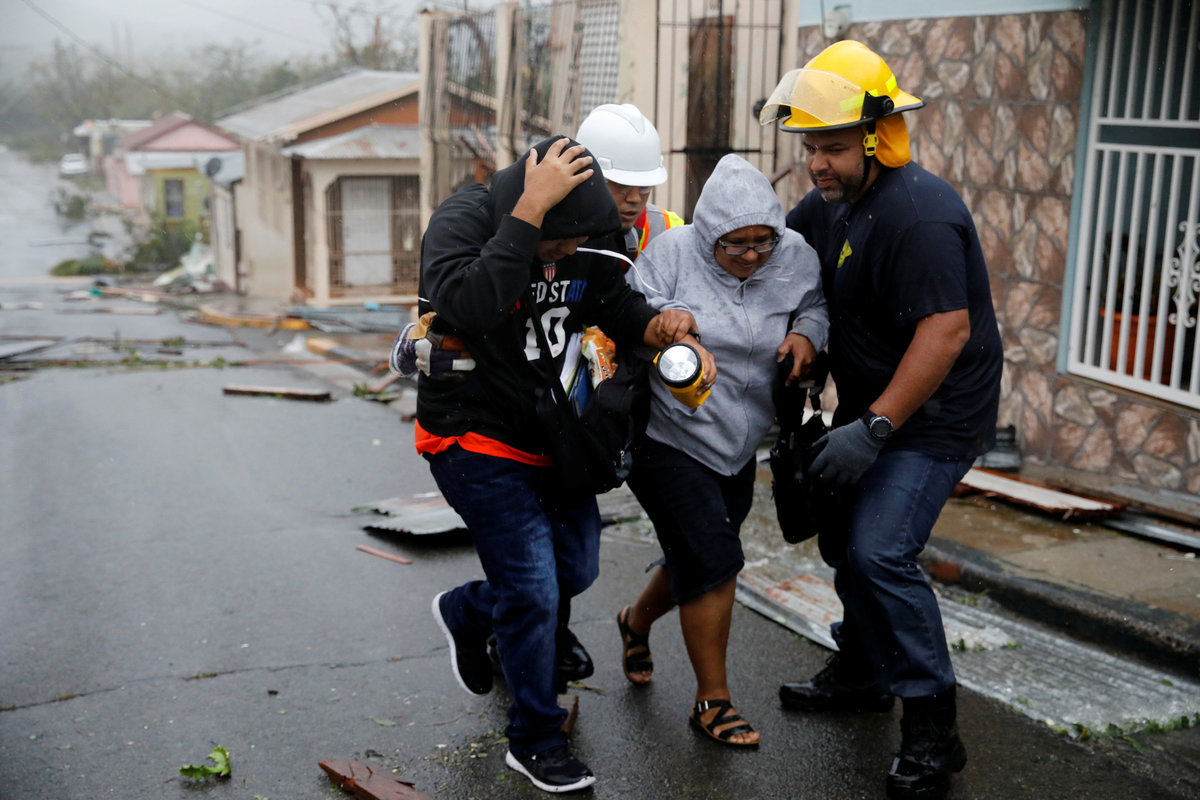
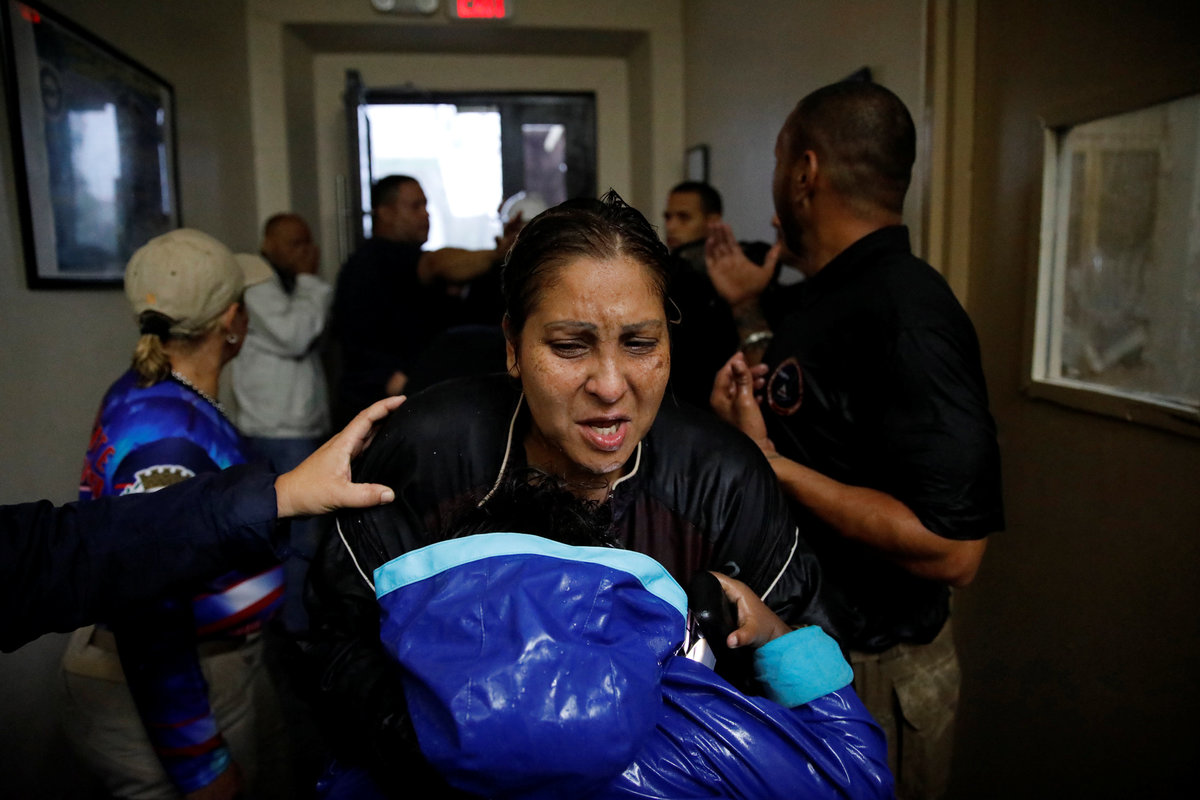
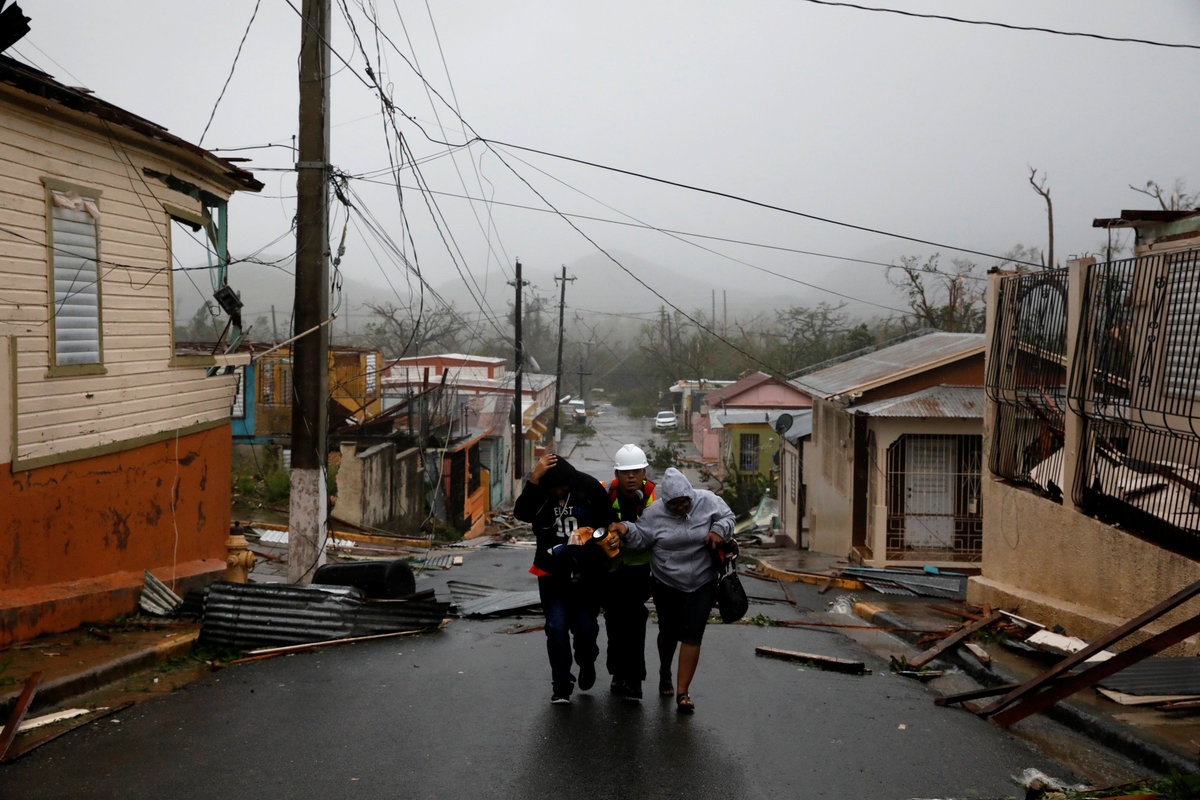
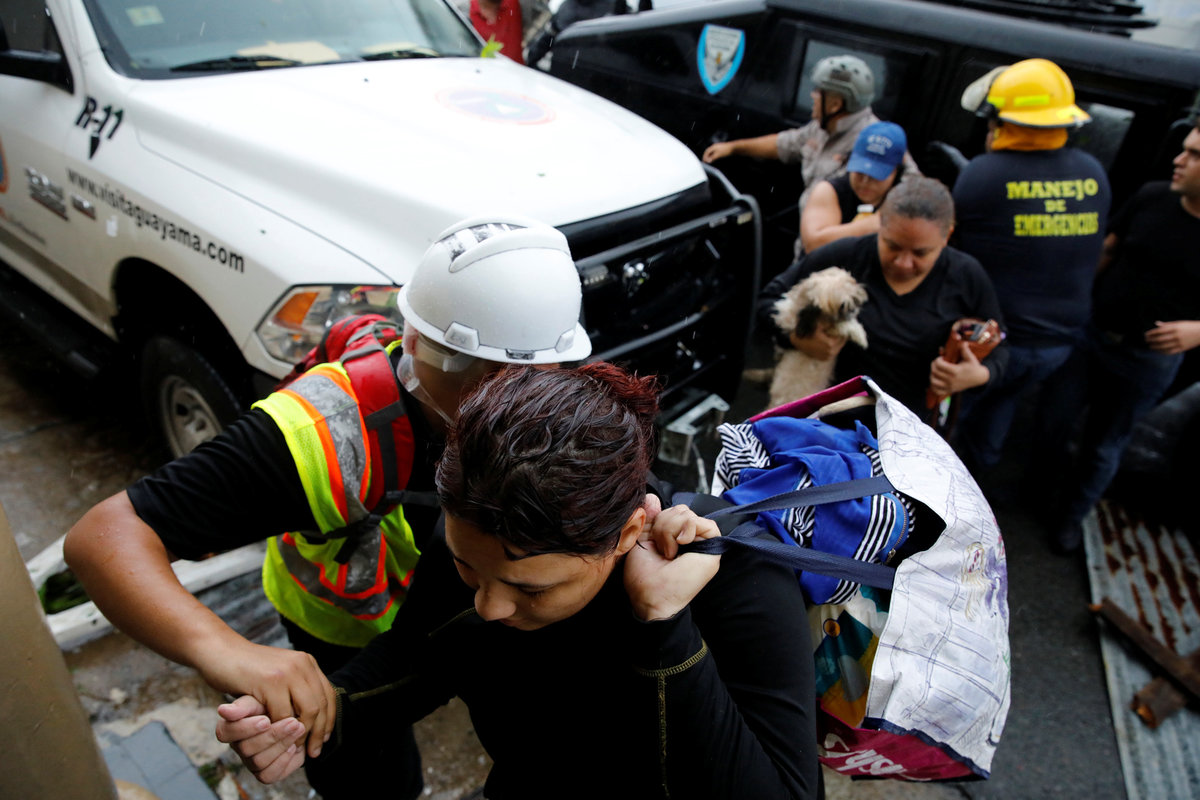
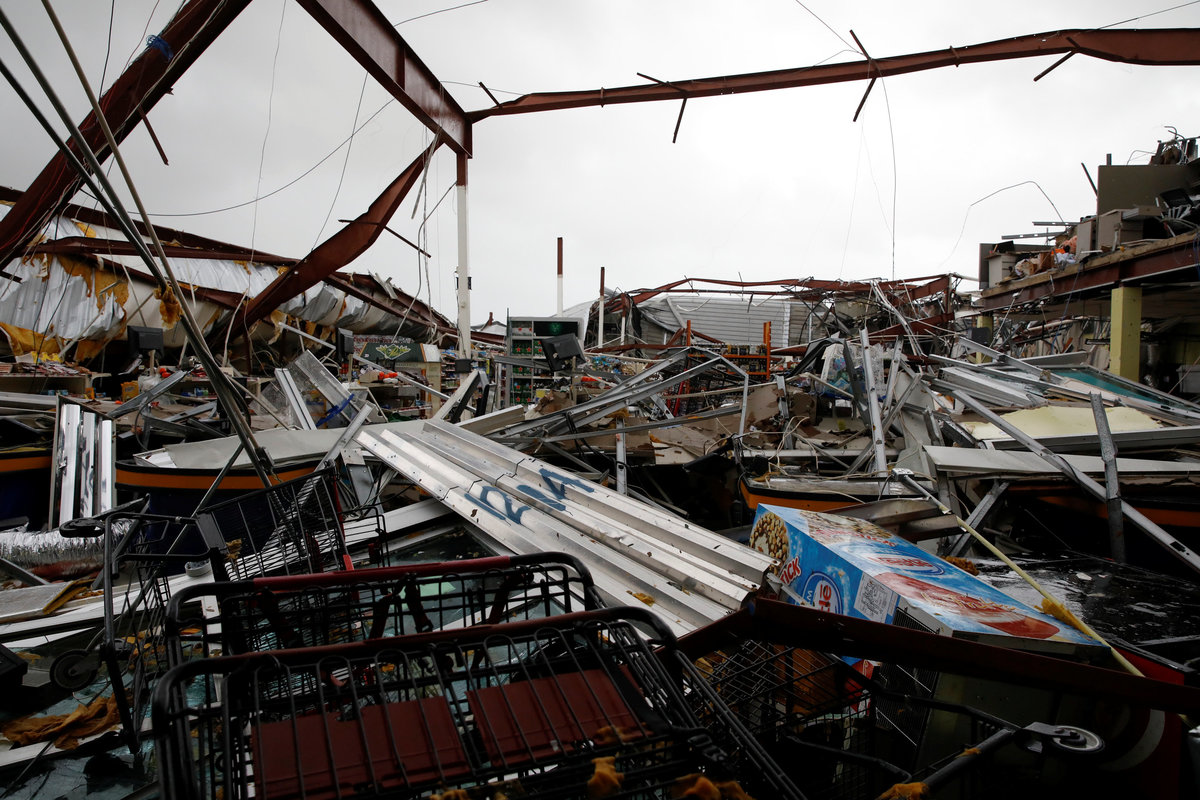
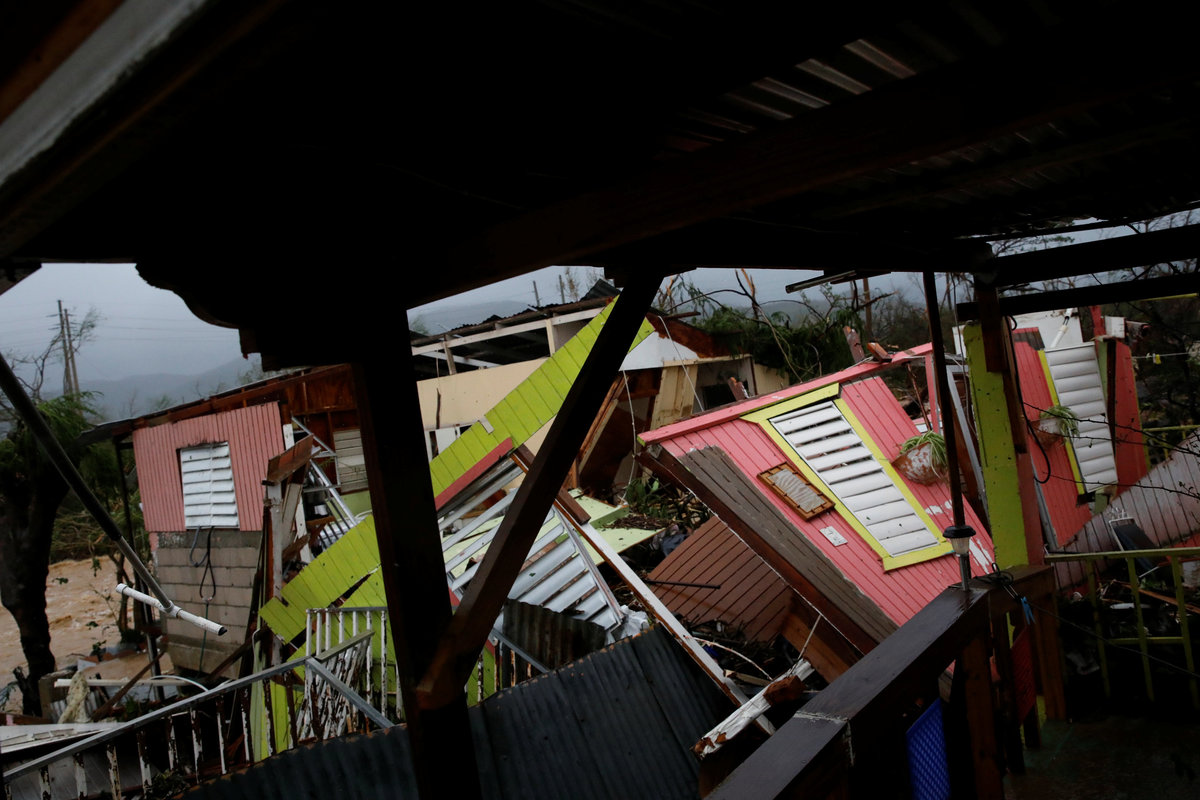
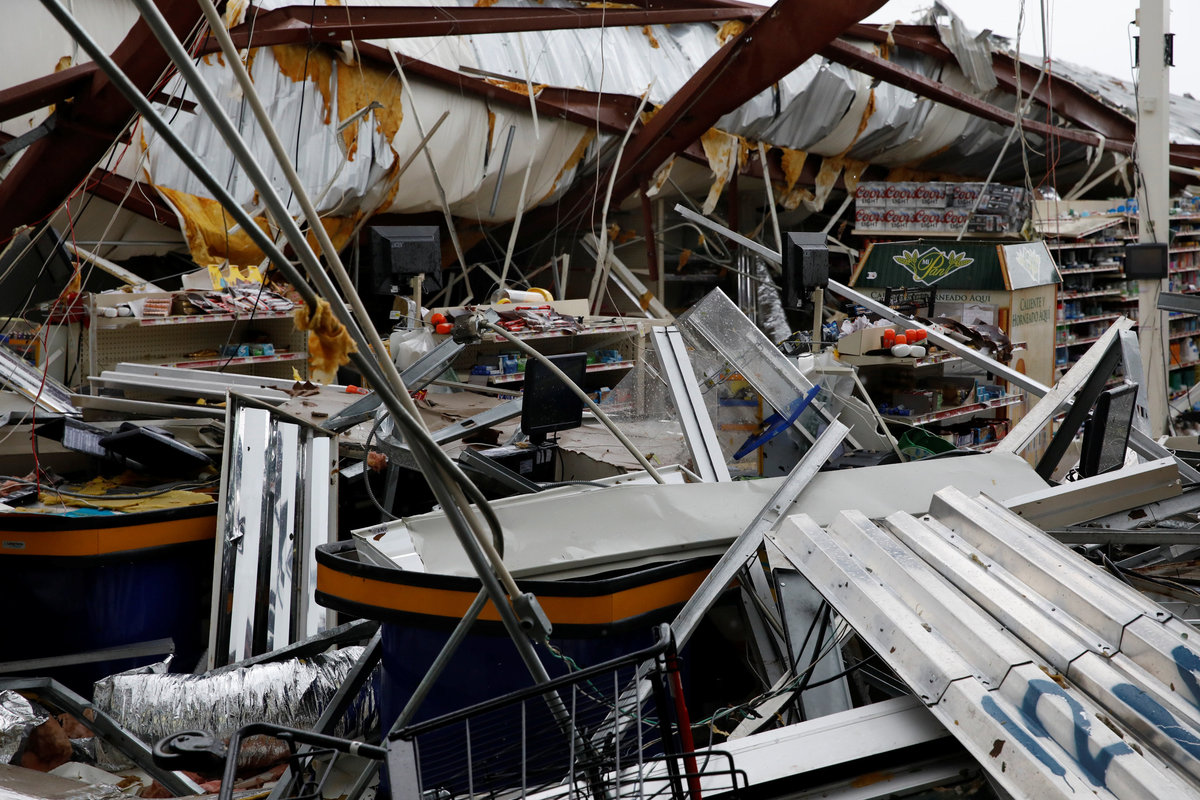
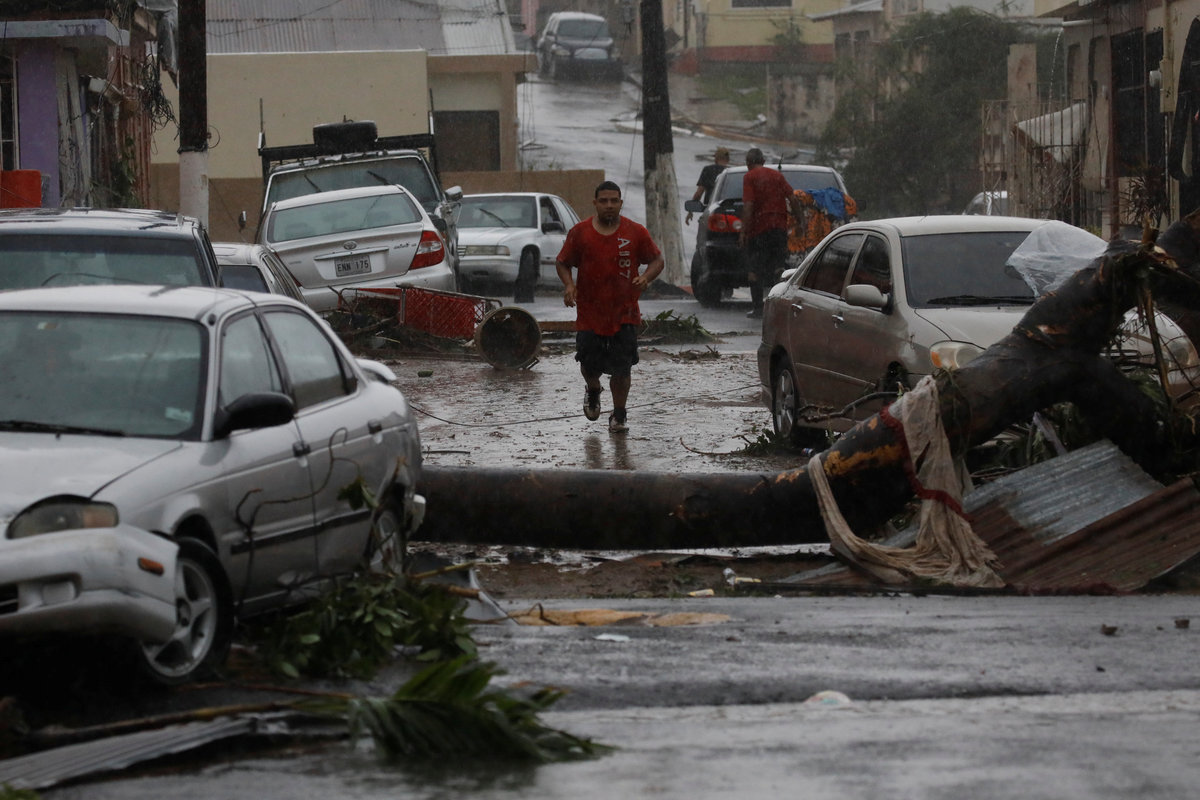
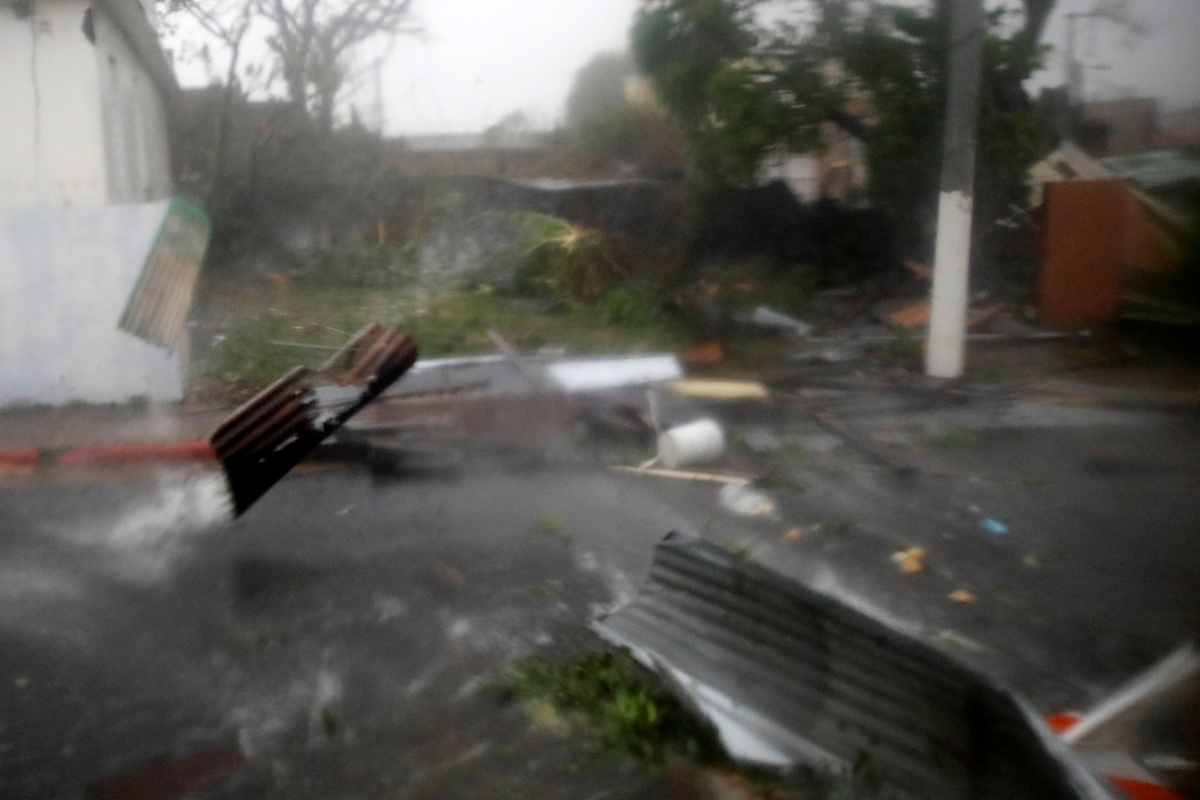
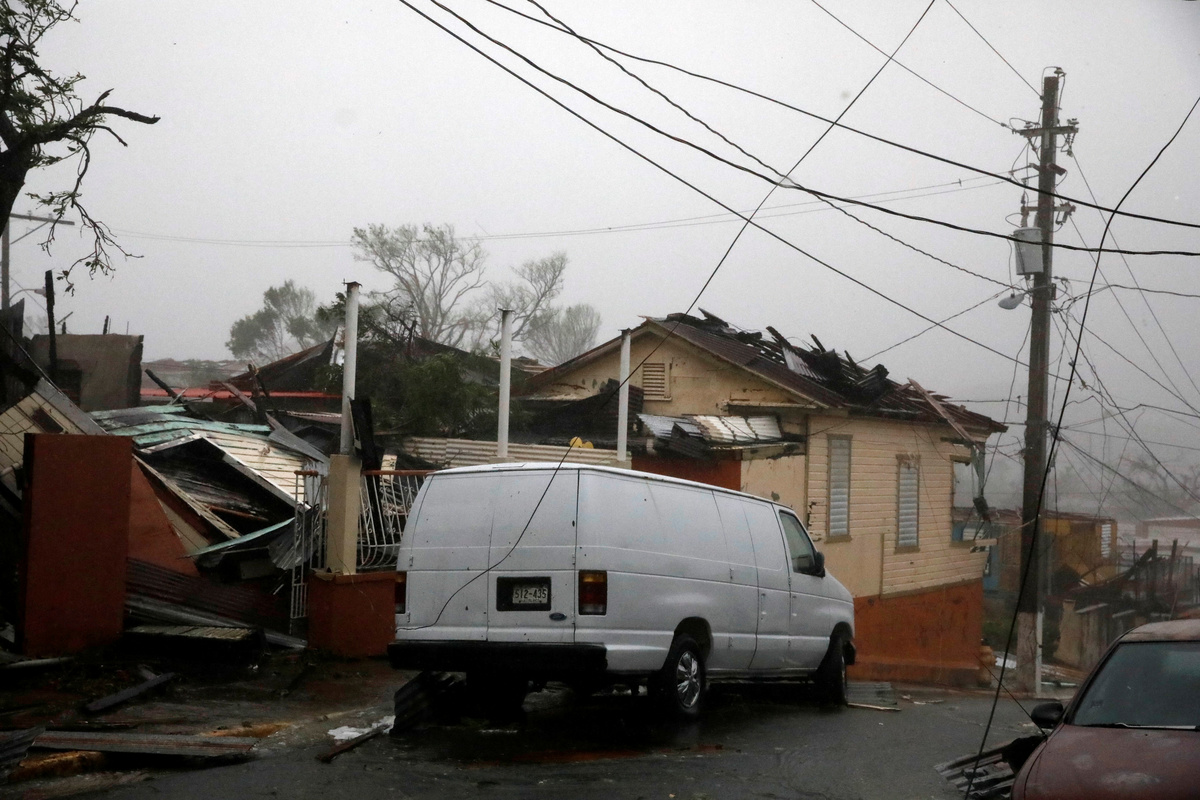
Moving on to Puerto Rico ranked a Category 4 storm, with sustained winds of up to 155 miles per hour (250 km per hour), Maria ripped roofs from buildings and turned low-lying roadways into rushing debris-laden rivers as it cut a diagonal swath across the island.
The island's governor, Ricardo Rossello, said the only fatality immediately reported was a man struck by a piece of lumber hurled by high winds.
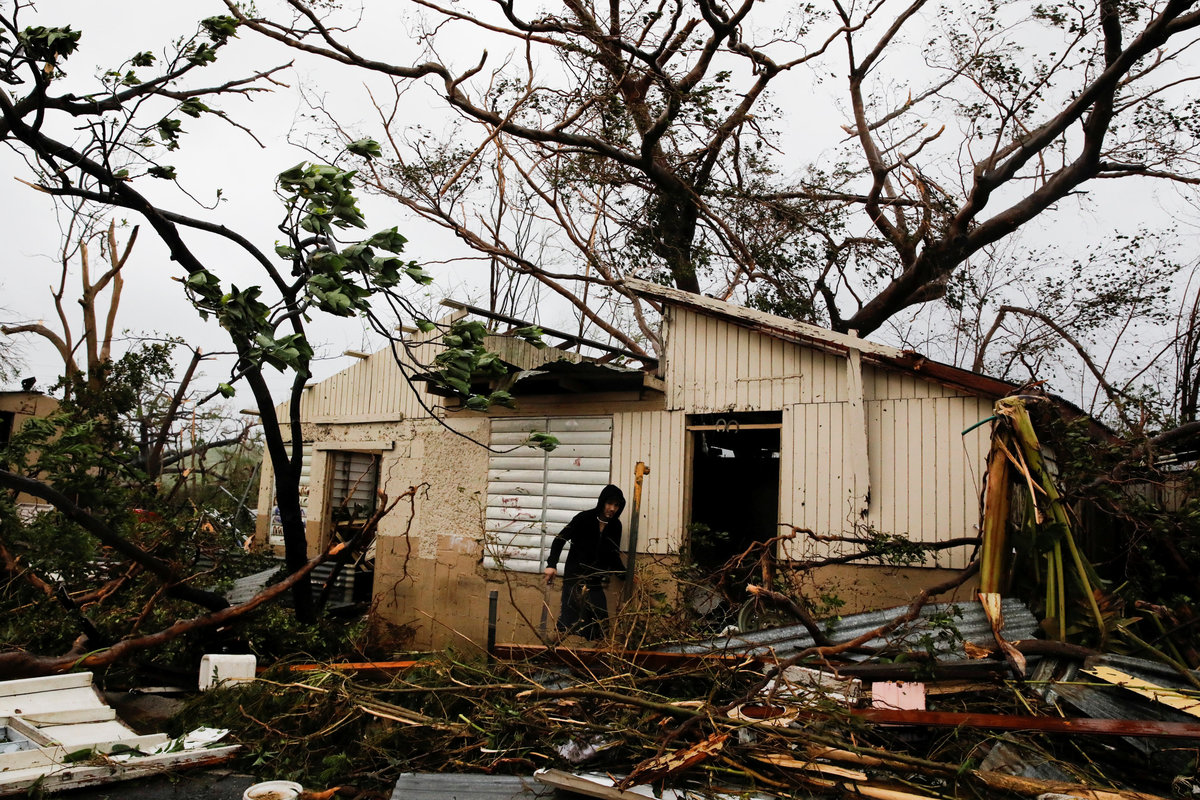
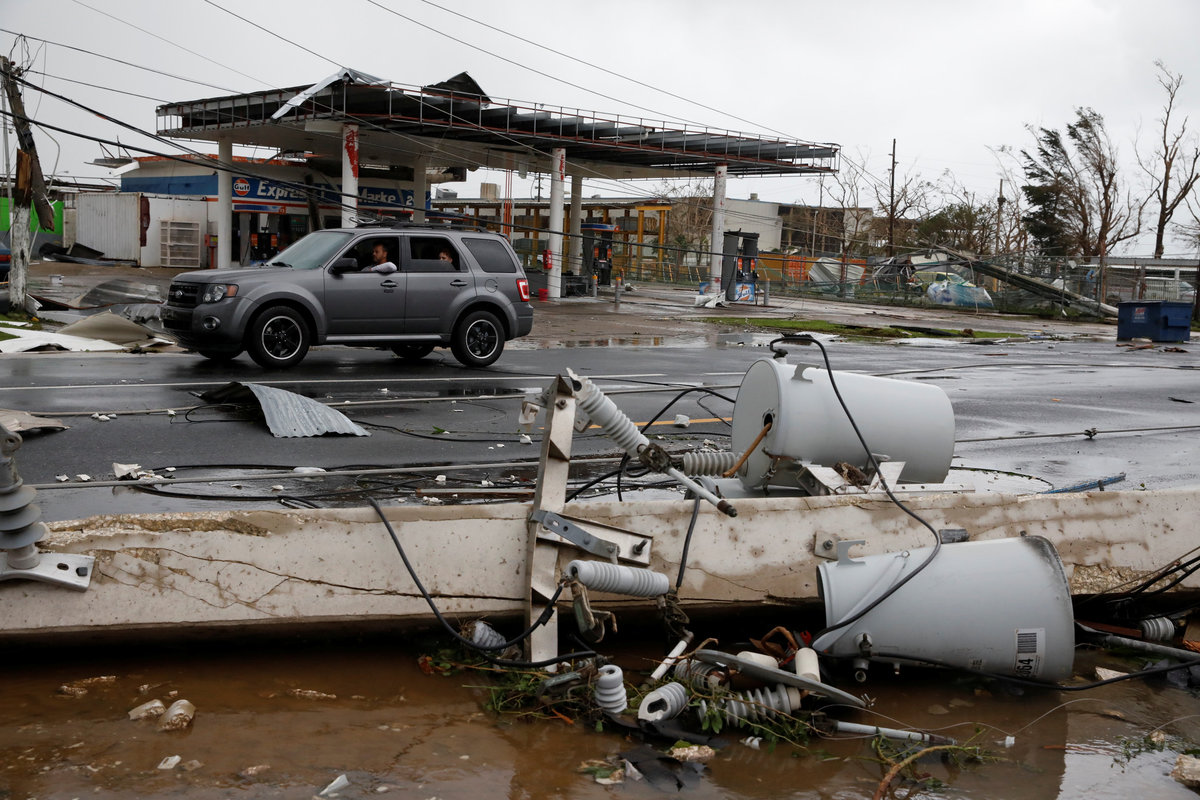
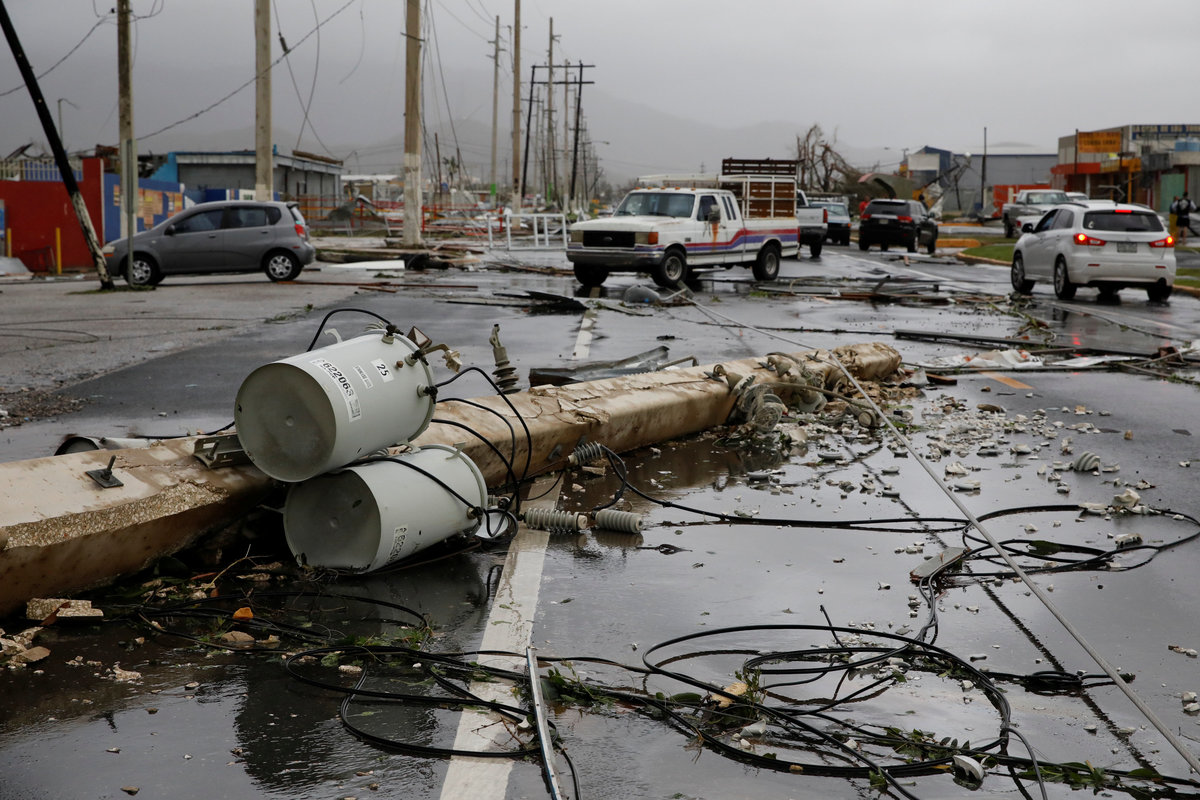
The streets of Puerto Rico's historic Old Town in the capital, San Juan, were strewn with broken balconies, air conditioning units, shattered lamp posts, fallen power lines and dead birds. Few trees escaped unscathed. Thick branches were torn down from most and others were simply uprooted.
"It's nothing short of a major disaster," Rossello said in a CNN interview, adding it may take months for the island's electricity to be completely restored. Earlier he imposed a dusk-to-dawn curfew for the island.
The Hurricane Center reported "catastrophic flash flooding" in portions of the island, and news pictures showed whole blocks under water in areas of the capital.
"When we are able to go outside, we are going to find our island destroyed," Abner Gomez, the director of the island's emergency management agency, was quoted as saying by El Nuevo Dia newspaper. "It's a system that has destroyed everything in its path."
Virtually the entire island was without electricity as night fell, said Pedro Cerame, a spokesman for the governor.
By 11 p.m. EDT (0300 GMT), Maria's center was drifting away from Puerto Rico. The storm was packing maximum sustained winds of 110 mph (175 kph) and was 55 miles (90 km) off the eastern tip of the Dominican Republic, the NHC said.
As is typical for hurricanes passing over hilly or mountainous terrain, Maria was markedly diminished by the time it crossed Puerto Rico, though the NHC said the storm was likely to regain major hurricane status on Thursday.
Maria was expected to skirt past the northeastern coast of the Dominican Republic Wednesday night and Thursday before approaching the Turks and Caicos Islands and southeastern Bahamas on Thursday night and Friday, the NHC said. So far, it looked unlikely to threaten the U.S. mainland.
Storm-related rainfall was expected to range from 20 to 30 inches (50 to 76 cm) on much of Puerto Rico through Friday, according to NHC.
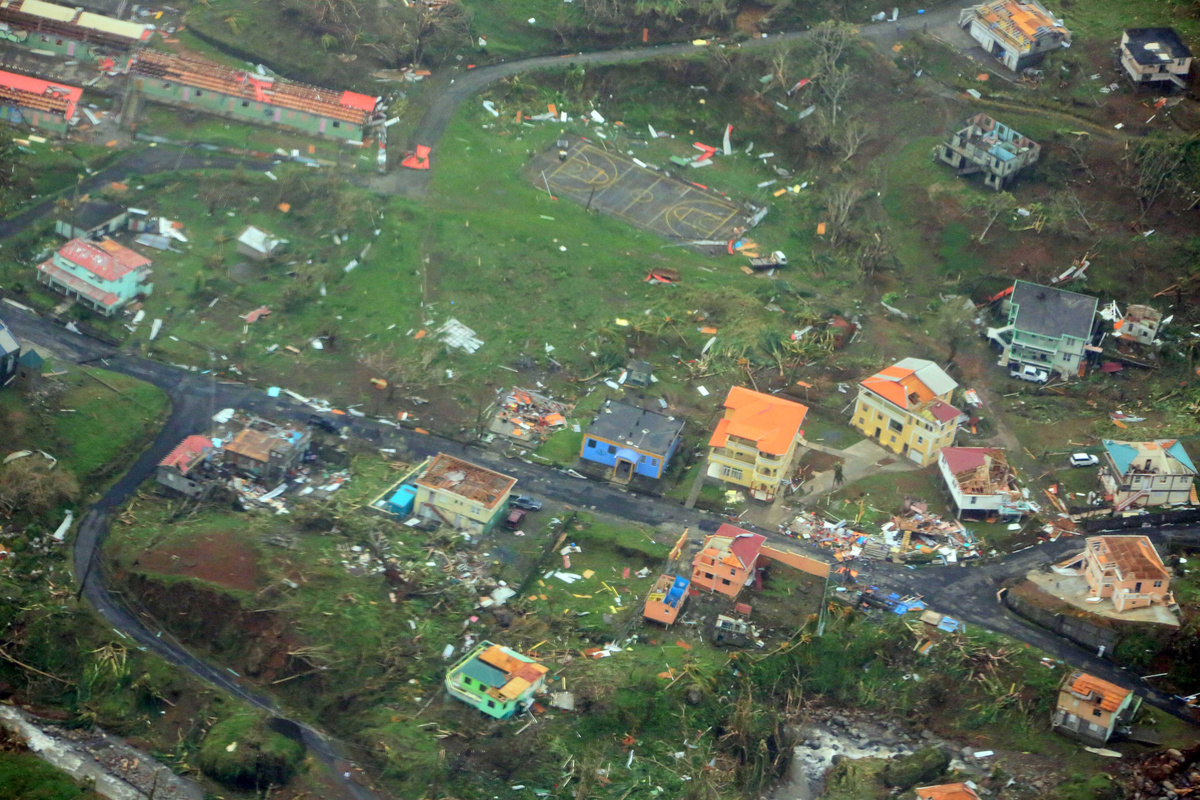
Maria was classified a Category 5 storm when it struck the eastern Caribbean island nation of Dominica on Monday night with devastating force, killing at least seven people there, government officials.
Based on an aerial survey, about 95 percent of roofs in Dominica, one of the poorest countries in the Caribbean with a population of about 73,000, were damaged or destroyed by Maria, the U.N. Office for the Coordination of Humanitarian Affairs said. It added damage to the island could be in the billions of dollars.
Hartley Henry, principal adviser to Prime Minister Roosevelt Skerrit, said in a Facebook post on Wednesday that "the country is in a daze."
Two people died in the French territory of Guadeloupe before Maria raked St. Croix.
FRAGILE HOMES
Hurricane Irma, which ranked as one of the most powerful Atlantic storms on record, also left a trail of destruction in several Caribbean islands and Florida this month, killing at least 84 people.
Like much of the Caribbean, many homes and businesses across Puerto Rico have wooden or tin roofs that proved no match for a storm of Maria's intensity.
"This might be a new, permanent part of our lives," said Ramon Claudio Ortiz, 71, a retired lawyer. "We're going to have to revisit our building codes."
Maria was the second-strongest hurricane ever recorded to make landfall in Puerto Rico, behind the 1928 San Felipe Segundo hurricane, which struck the island as a Category 5 storm and killed more than 300 people.
The island's recovery could be complicated by its current financial woes, the largest municipal debt crisis in U.S. history. Both its government and the public utility have filed for bankruptcy protection amid disputes with creditors.
Seventy percent of the island had lost power after Irma dealt a glancing blow on Sept. 6, killing at least three people.
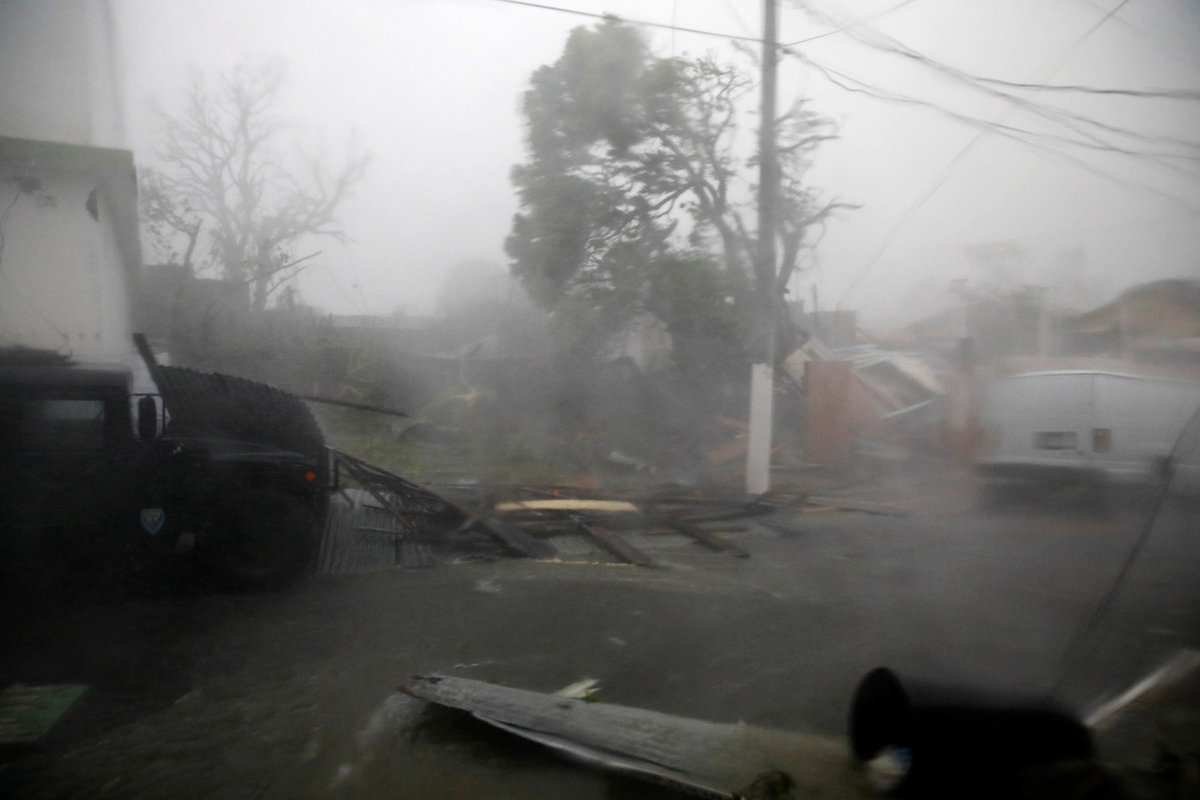
Passing early Wednesday just west of St. Croix, home to about 55,000 people, Maria damaged an estimated 65 percent to 70 percent of the island's buildings, said Holland Redfield, who served six terms in the U.S. Virgin Islands senate.
"There were a lot of homes that had lost their roofs. It was a sad sight," Redfield said in a phone interview.
Photos posted on Facebook from St. Croix by Virgin Islands' local public television station, WTJX-TV, showed a tableau of fallen utility and telephone poles, tangled wires, uprooted trees and storm shutters ripped from buildings.
In Guadeloupe, many roads were blocked and 40 percent of the population was without power, France's overseas territories ministry said.
(Reporting by Dave Graham and Robin Respaut in San Juan; Additional reporting by Daina Beth Solomon in Mexico City, Richard Lough and French language service in Paris and Jon Herskovitz in Austin, Texas; Writing by Scott Malone and Steve Gorman; Editing by Lisa Shumaker and Richard Pullin)