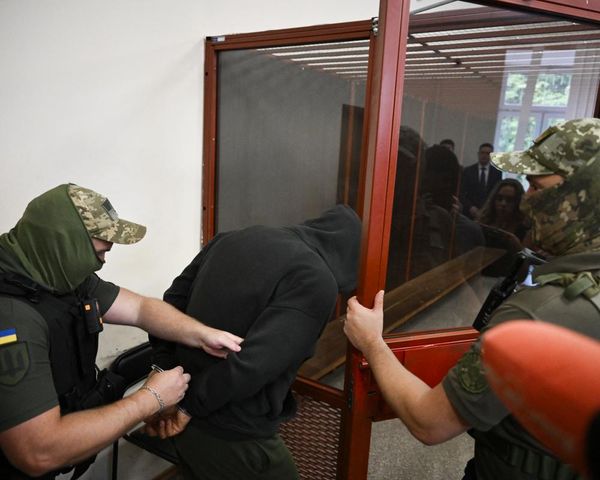
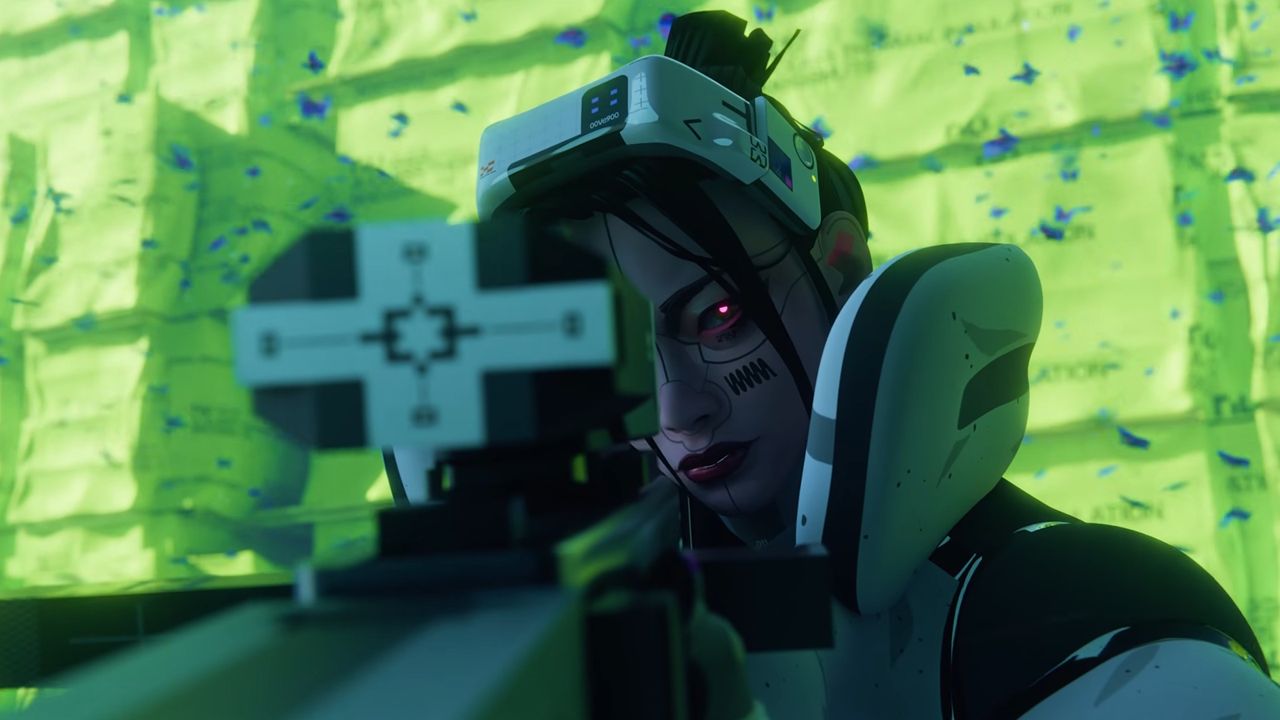
After playing Escape from Tarkov for many years, I never thought I would inflict another hardcore extraction shooter upon myself. Yet Marathon – though not quite as hardcore – has wormed its way into my wrung brain, and when I'm not skulking around Dire Marsh, I'm thinking about the next time I will. Currently, I'm cringing over how much gear I lost during Cryo Archive's debut, and how many tense Outpost runs it will take to replenish my vault before the weekend-only zone re-opens.
I've been so caught up in Marathon that, having sunk 80 hours into it since launch, I've only just remembered my initial skepticism. I wasn't sure if a studio of Bungie's size would stay true to the inherent niche of a genre that asks players to put their gear on the line every match – and even if it did, what could it bring to the medium that the likes of Escape from Tarkov or Hunt Showdown didn't already offer? Bungie's answer is a hyper-stylish gig economy sim with a lifetime of history packed within its codex. Marathon's world encouraged me to engage with its more conventional extraction elements and adapt to its divergences – namely its lightning-fast time-to-kill (TTK) – which, as a slow-and-steady Tarkov player, has often made me feel like a tortoise being flashbanged.
Many studios have sought to wrest the extraction shooter away from its core audience of sickos, but few have met them on home turf – where winning everything is worth losing it all. Marathon does just that, and after a few years of dabbling in Tarkov's PvE-only mode, I'm back on my PvP bullshit.
Home run
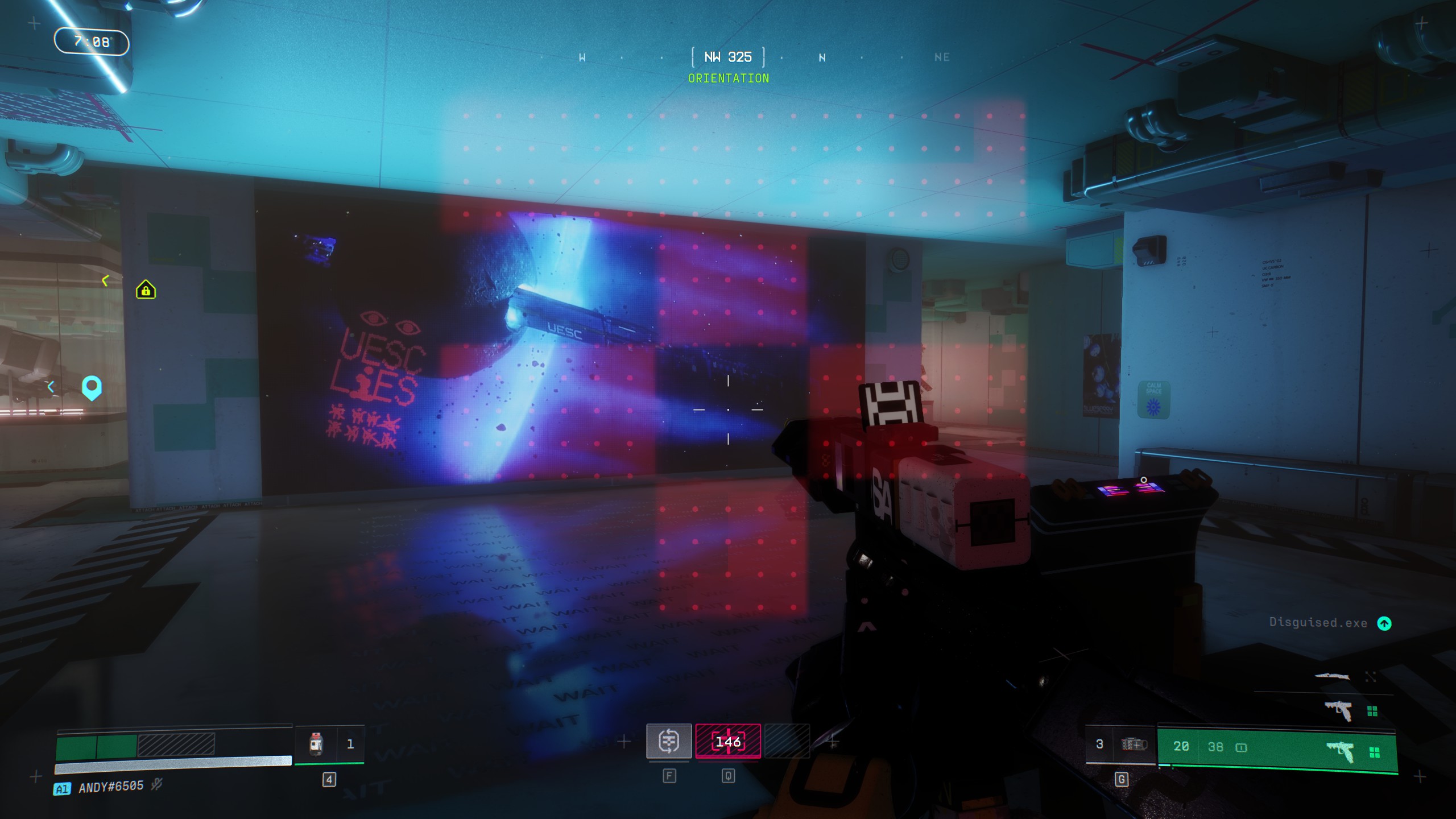
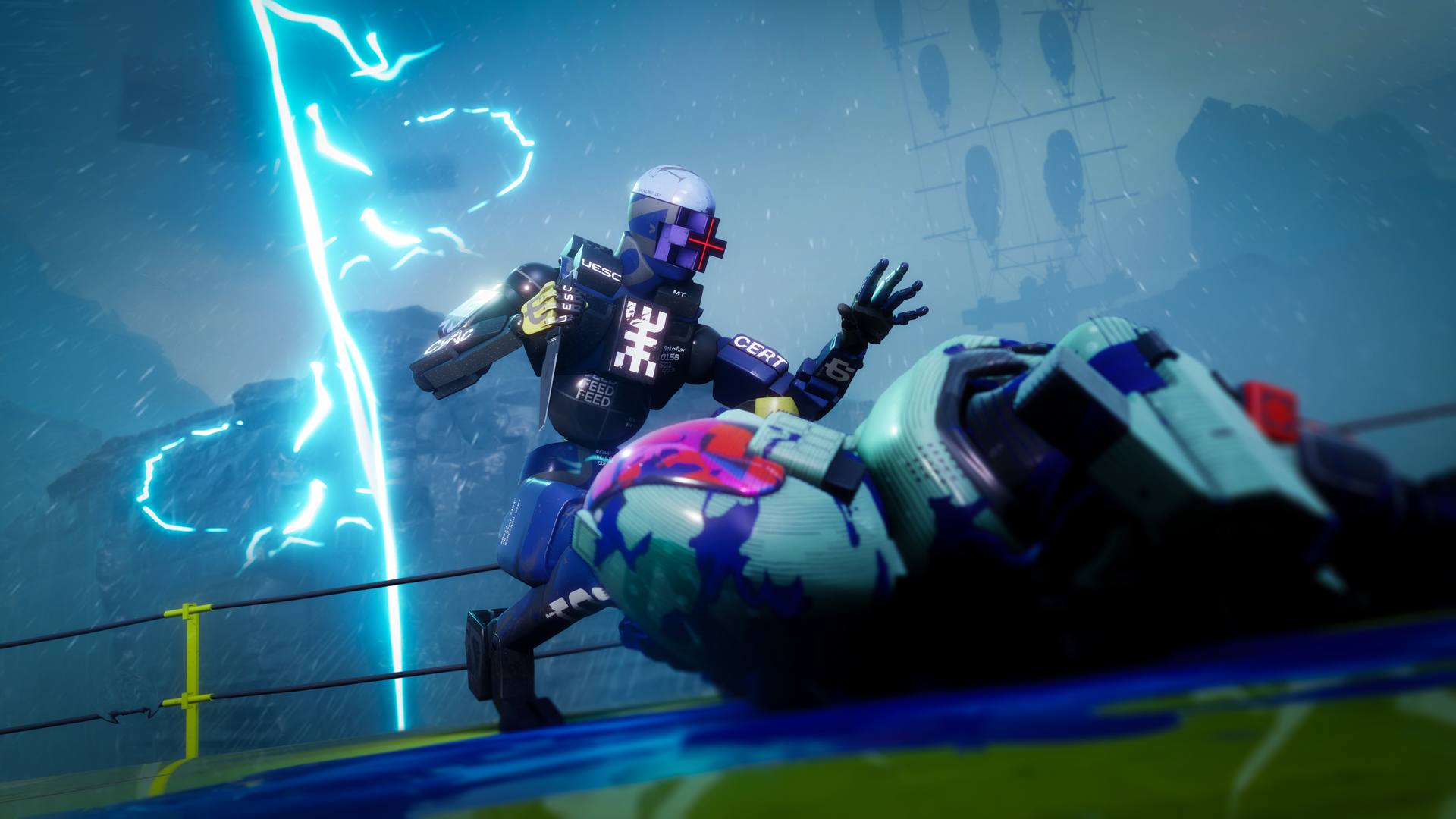
Marathon review: "My favorite multiplayer shooter in years"
Bungie has long been on the contemporary edge of shooters. The studio brought twitchy, competitive arena-esque action to controllers with Halo, in a legendary run of games that peaked with 2009's Halo 3: ODST (this is one of precisely six things I'm allowed to be right about). Four years after closing that chapter with Halo Reach, Bungie launched Destiny – carrying its FPS stylings forward while blurring the line between looter-shooter and MMO.
I could never get into Destiny or its sequel. Every attempt left me admiring Destiny 2's moment-to-moment action while wishing there were stakes, a story, something that didn't feel like playing catch-up with a hostile opponent. Marathon offers a clean break not only for myself, but for Bungie, who has been spinning live service silk for so long that, until writing this, I'd forgotten how much of its legacy was built upon iteration. Marathon, then, was a return to Bungie's wheelhouse: an opportunity to leave its mark upon the still-niche extraction shooter genre.
Before launch, I wondered whether a studio of Bungie's size would be willing to lean into the extraction shooter genre's divisive nature. There was precedent for high-profile misses: Battlefield's Hazard Zone and Call of Duty's DMZ: Recon were half-hearted attempts at wooing fans of Escape From Tarkov and Hunt: Showdown, but cut the genre's stakes to the bone without offering meaningful substitutions – in both cases, leaving game modes that felt more like confused battle royales.
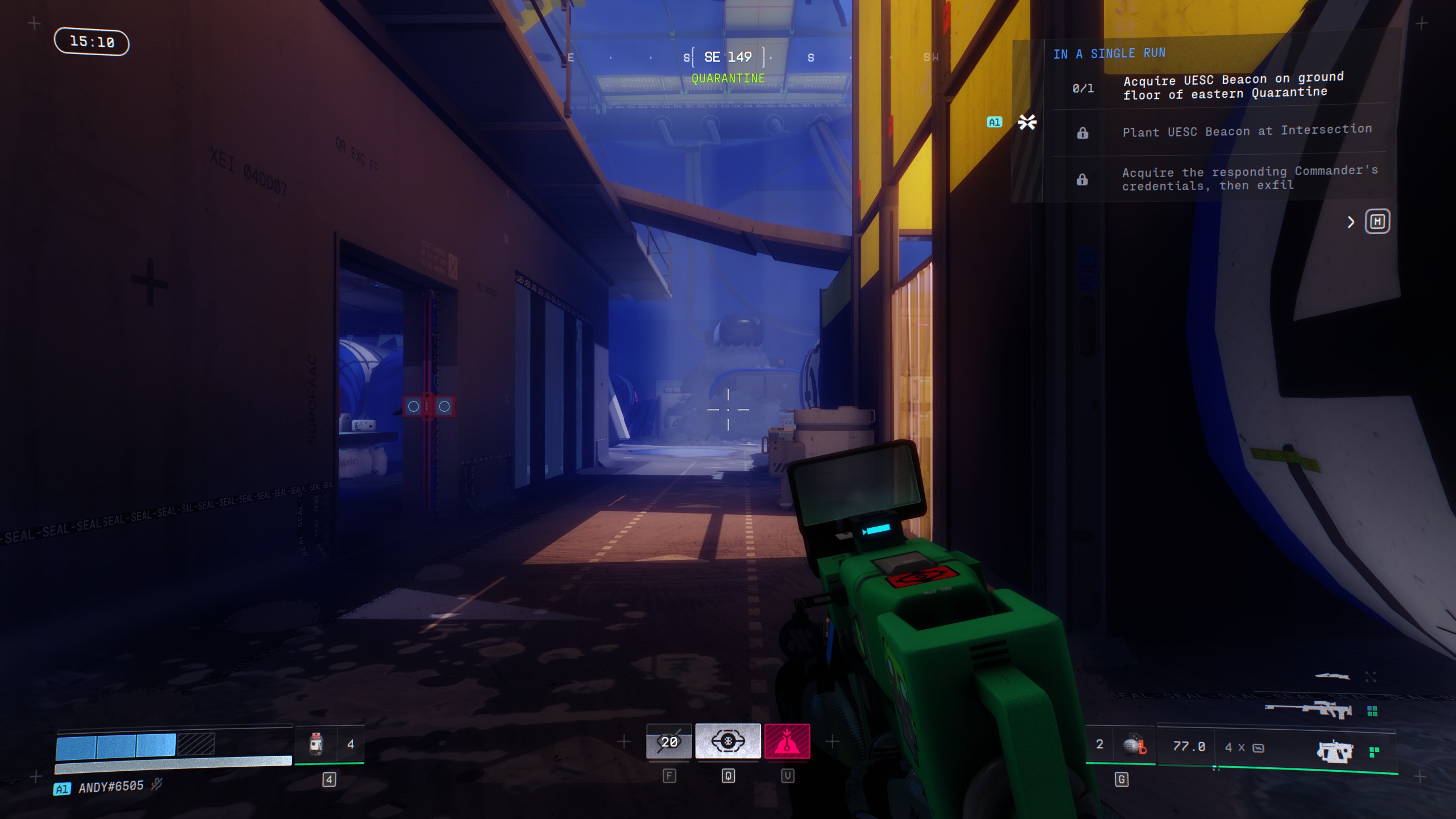
It all comes back to being niche by design. To make a good extraction shooter, you have to – whisper it – make a good extraction shooter. The genre is hardcore by nature. Your gear is essentially on loan and you never really win, but for PvP thrill-seekers, the big picture is all in service to those seconds where you come face-to-face with another player and someone loses everything in a hail of bullets. It's high-stakes coin-flipping, and although risking fancier gear tips the odds in your favor, it amounts to nothing if your opponent is the better shot on the day.
Sticking to that formula reverentially can be another recipe for disaster – I've bounced off countless extraction shooters because they felt like watered-down Tarkov – but both Arc Raiders and Marathon's approaches are additive. Arc Raiders' AI enemies are much less janky than Tarkov's and can pose far more challenge, which in turn fosters DayZ-esque social tension where teaming up with other players is often beneficial – if you can trust them not to kill you. Marathon dials up the stakes of human encounters in the opposite way, making maps smaller while PvP so quick and bloody that you can't risk lowering your gun to negotiate.
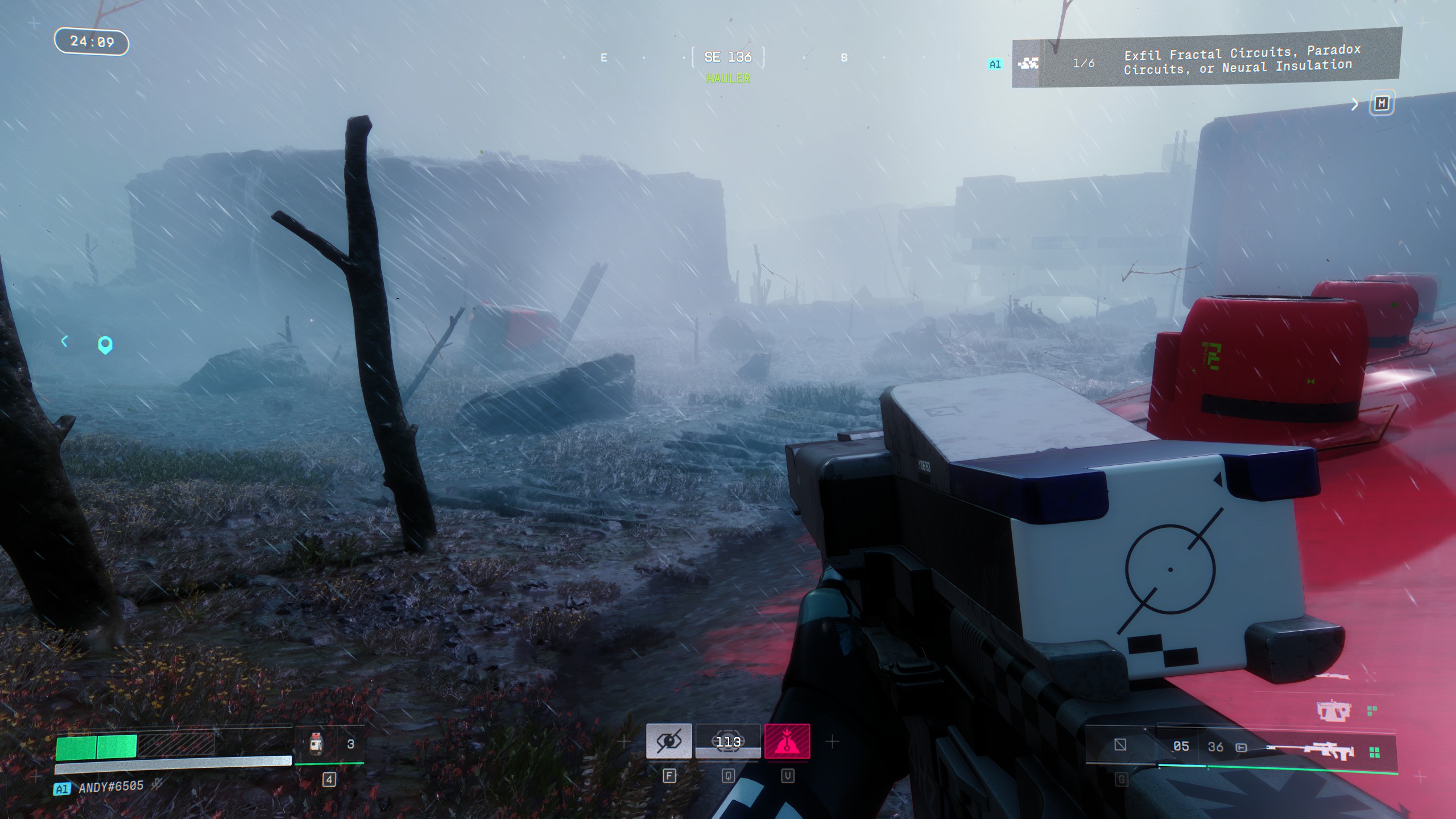
Instead of compromising on load-bearing areas, Marathon makes the genre more palatable in softer ways. The way loot is automatically sorted post-raid is wonderful, weapon modding is simpler, while faster combat and the loot-sinks like Cryo Archive ensure you cycle through your stashed goodies at a healthy rate. I stopped playing Escape From Tarkov's PvP mode because the stakes became too much for my lifestyle – sorry, I can no longer spend 15 minutes gearing up only to get shot in the head – but in Marathon, I'm ushered back into the fray with minimal faff.
Marathon treads a different path to Tarkov, but reaches the same heights. By cracking the door open for more players, I can play with pals for whom other extraction shooters were a degree too finicky for; all without compromising on the tension that makes the genre fulfilling to me. Bungie has re-fluffed my favorite cushion, and for that I'm grateful.