(Reuters) - Diego Maradona has backed the use of video assistant referees (VARs) in football even though he is aware that his infamous 'Hand of God' goal would not have stood if the technology had existed during his heyday.
The goal during the 1986 World Cup quarter-final between Argentina and England is one of the most talked about in the history of football, alongside his brilliant solo run past five defenders in the same game that gave his side a 2-1 victory.
The diminutive Argentine, who tapped the ball over the head of onrushing goalkeeper Peter Shilton with his fist to score his country's first goal, gained even more notoriety when he claimed afterwards it had been scored by the 'Hand of God'.

"Obviously I think about it whenever I show my support for the use of technology," Maradona said in an interview posted on global football's governing body FIFA's website (www.fifa.com) on Tuesday.
"I thought about it and, sure, that goal wouldn't have stood if technology had been around. And I'll tell you something else: at the 1990 World Cup I used my hand to clear the ball off the line against the Soviet Union.
"We were lucky because the referee didn't see it. You couldn't use technology back then, but it's a different story today."
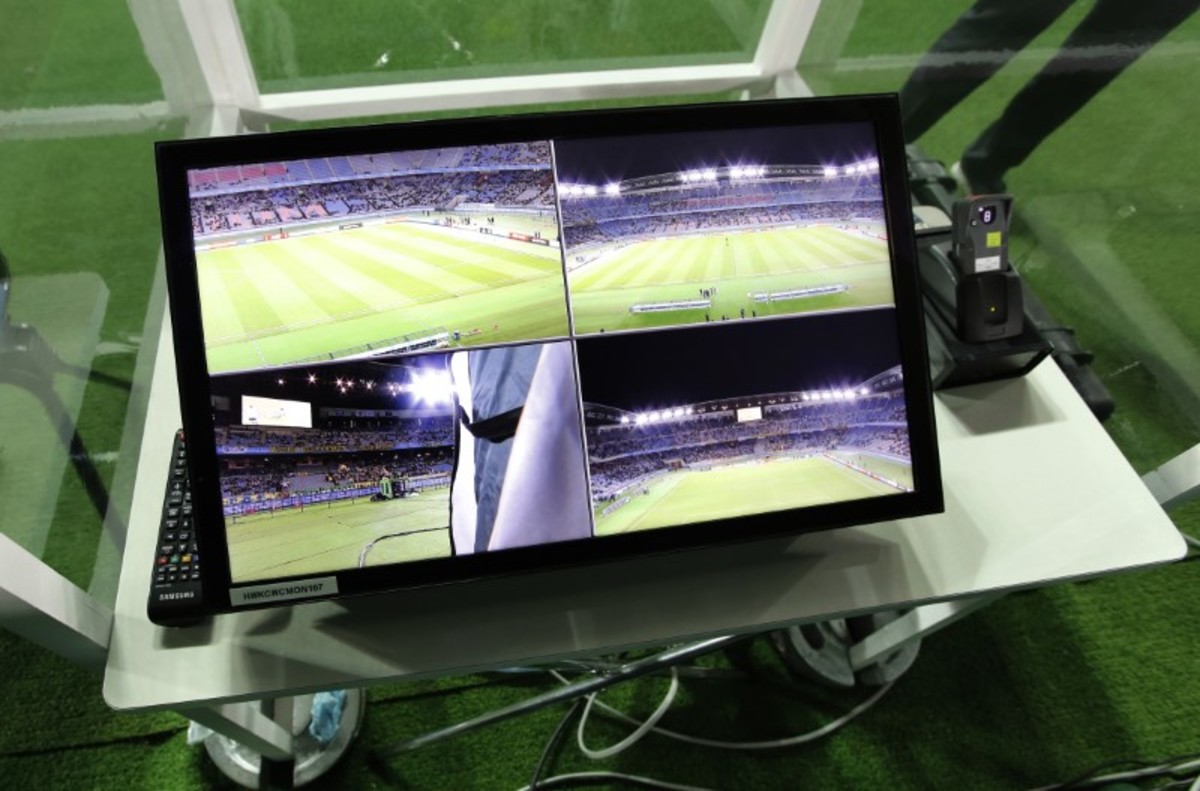
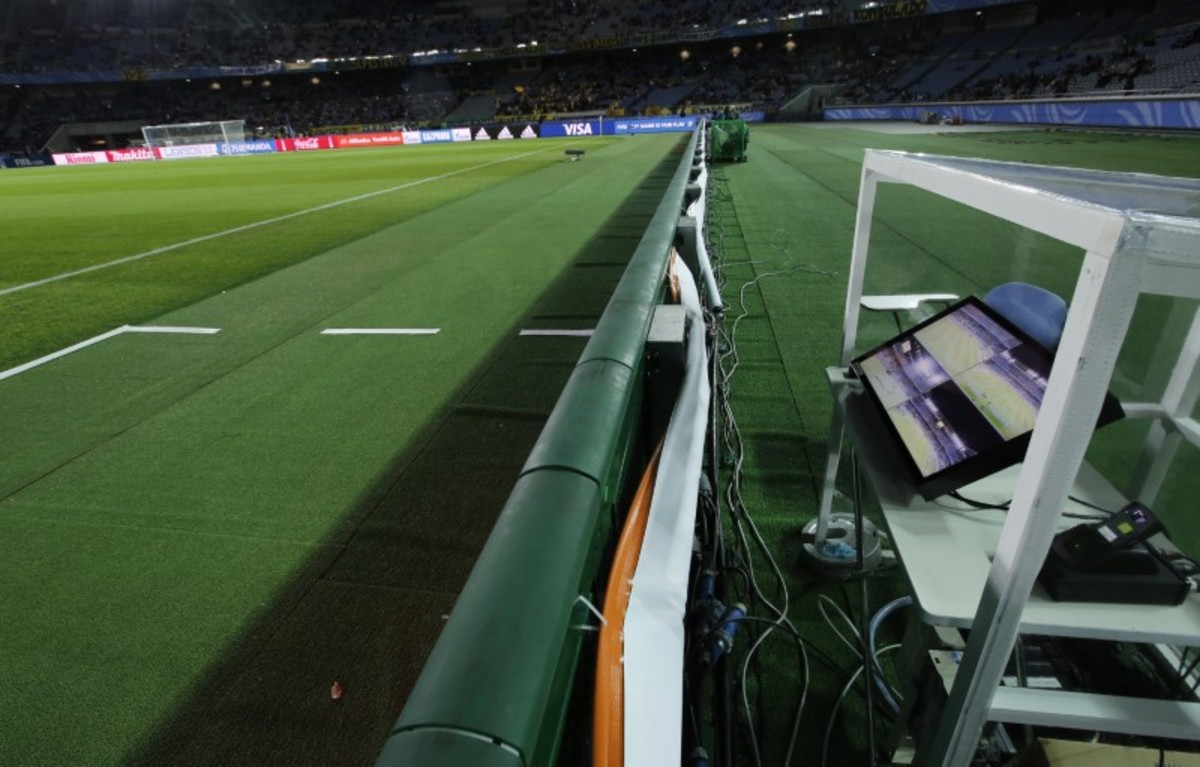
FIFA has tested VAR technology at several tournaments ahead of next year's World Cup in Russia, including at last month's Confederations Cup, and its head of refereeing Massimo Busacca said afterwards that the technology should be refined.
The governing body has already said it would like to use VAR at the 2018 World Cup, and football's law-making body IFAB is expected to decide next March whether to allow them to become part of the game on a permanent basis.
VAR involves two video assistant referees who monitor the action on screens and draw the match referee's attention to possible officiating mistakes.
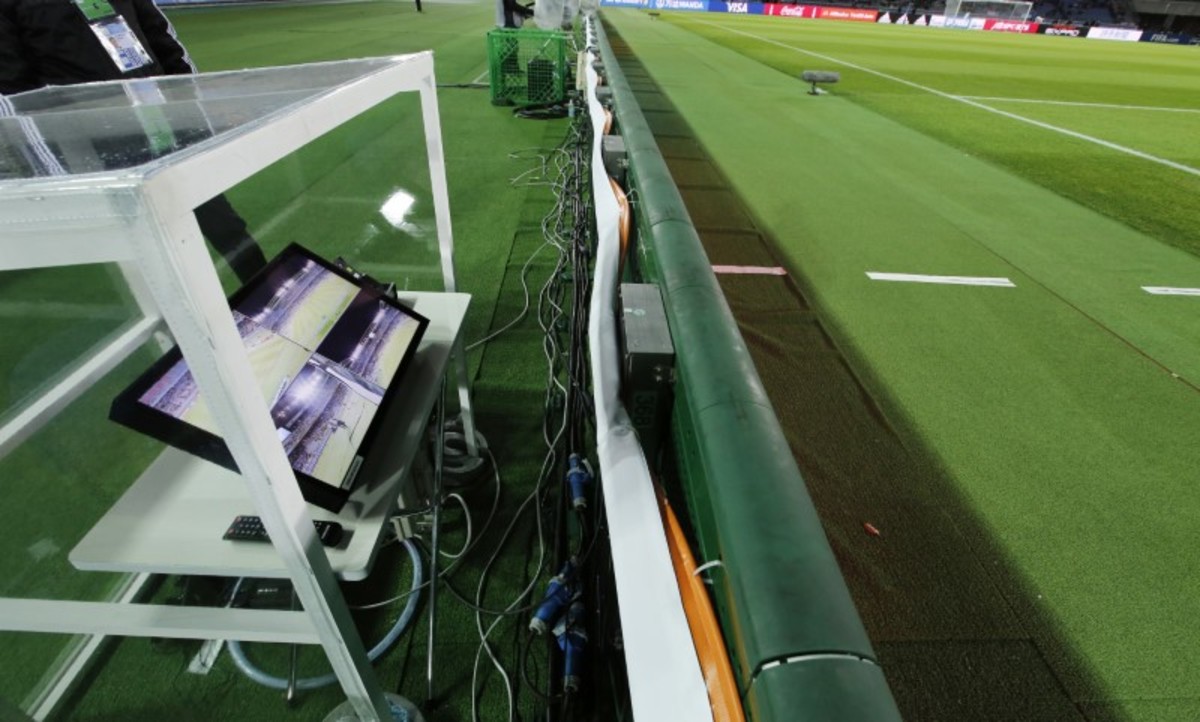
But criticisms include the time taken to make decisions and the referees' criteria in deciding when to use the system, with some close calls being made without consulting the VARs.
Maradona cited Frank Lampard's disallowed goal for England against Germany at the 2010 World Cup and Geoff Hurst's goal that won England the Jules Rimet Trophy in 1966, which modern replays later showed did not fully cross the line, as instances where technology could have made a difference.
"People used to say that we'd waste a lot of time, that it would cause a lot of annoyance. But that's not the case," he said.
"Football can't fall behind. Given the rate at which technology is advancing and the fact that every sport uses it, how can we not think about using it in football?"
(Writing by Simon Jennings in Bengaluru; Editing by Christian Radnedge and Pritha Sarkar)