Mapping trachoma eye infections in Ethiopia – in pictures
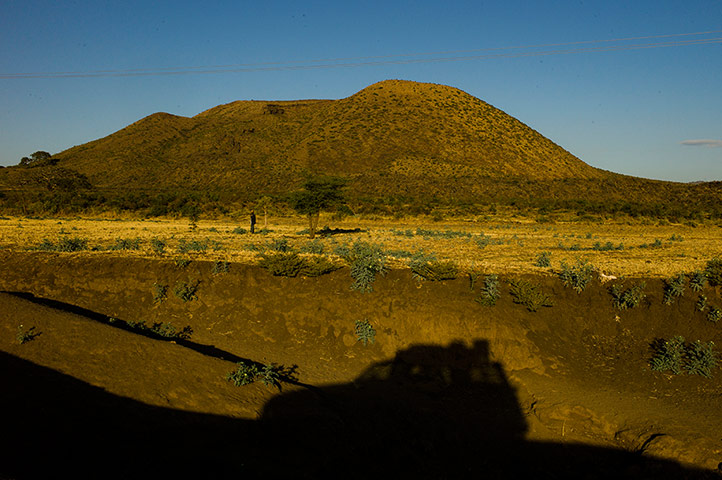
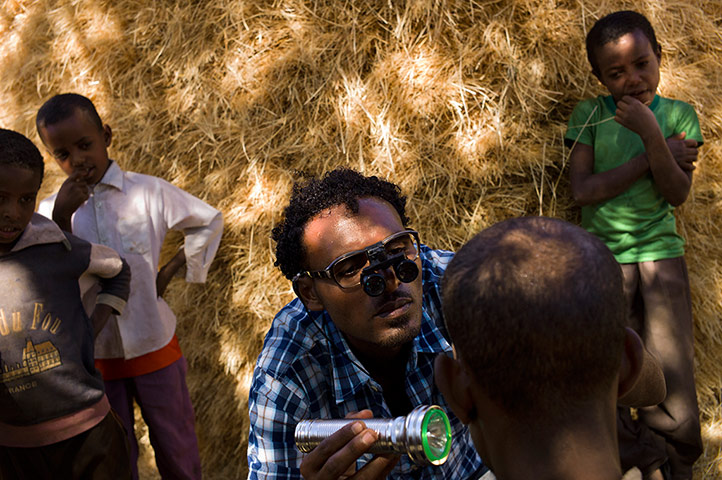
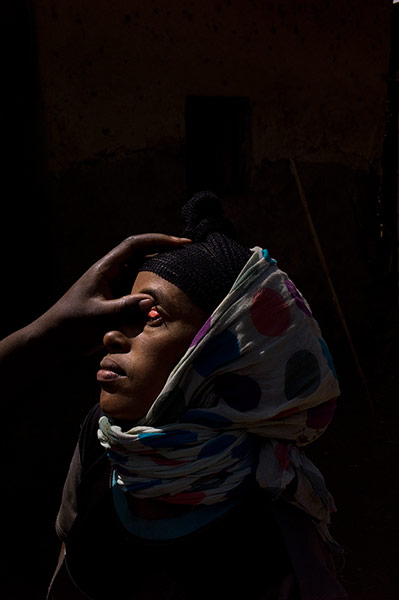
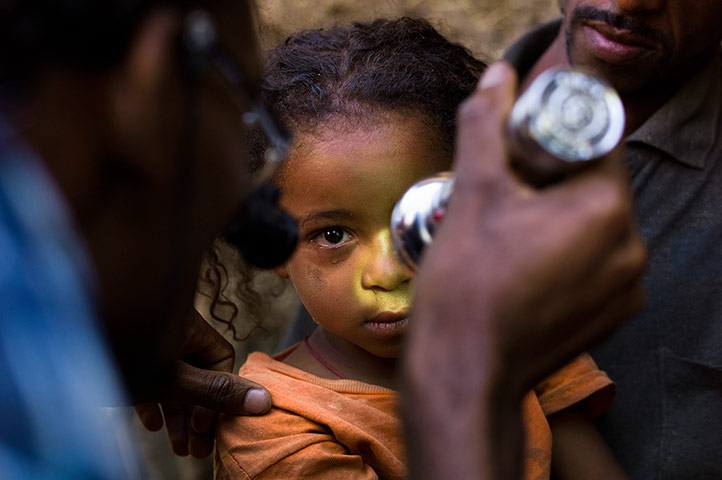
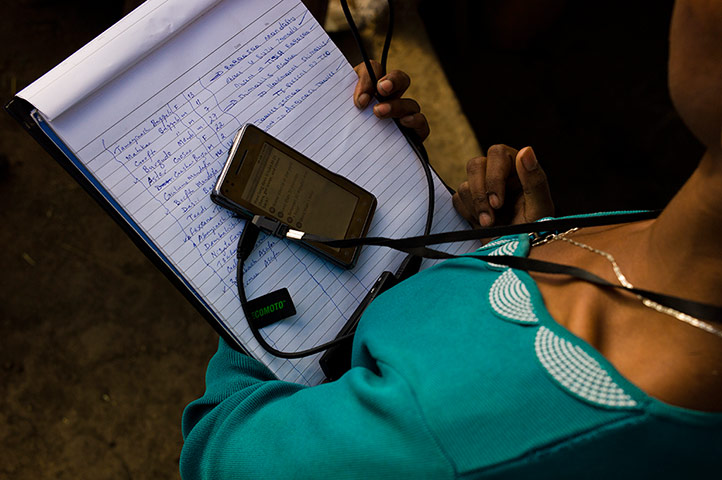
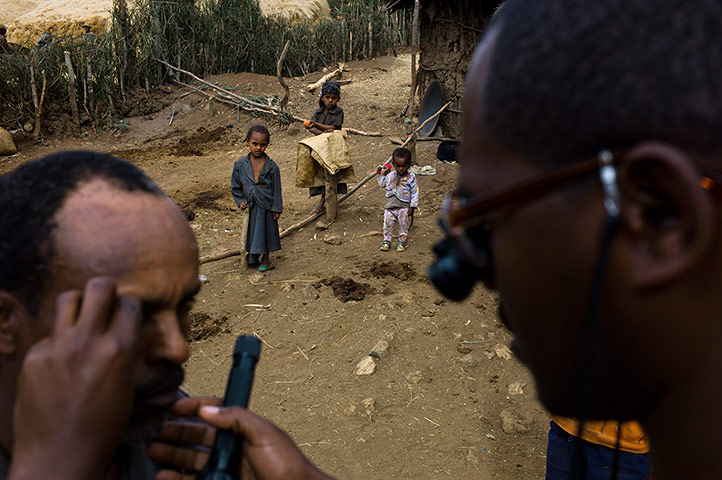
The teams responsible for surveying people in Ethiopia for trachoma meet early in the morning before heading out to their allocated communities. There are 16 teams working to identify the disease in EthiopiaPhotograph: Dominic Nahr/Magnum/SightsaversThe first survey started in Oromia, central Ethiopia, where 22 million people live in suspected trachoma-endemic areas. Working in teams of four, the surveyors travel to remote communities almost entirely cut off from any type of healthcarePhotograph: Dominic Nahr/Magnum/SightsaversGenemo Abdela is one of the many surveyors responsible for examining almost 600,000 people in Ethiopia. The team is identifying areas where people are at risk from the disease and hence where treatment programmes are neededPhotograph: Dominic Nahr/Magnum/Sightsavers
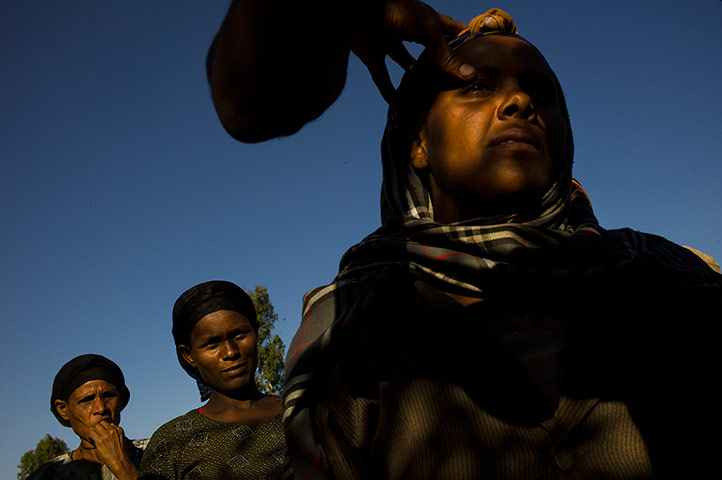
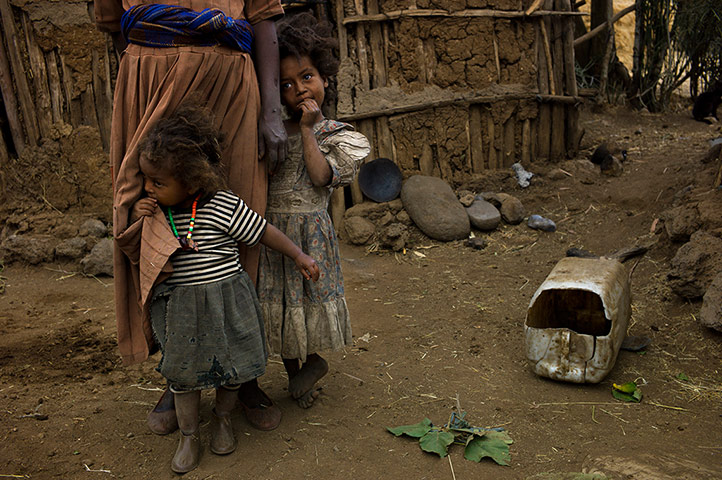
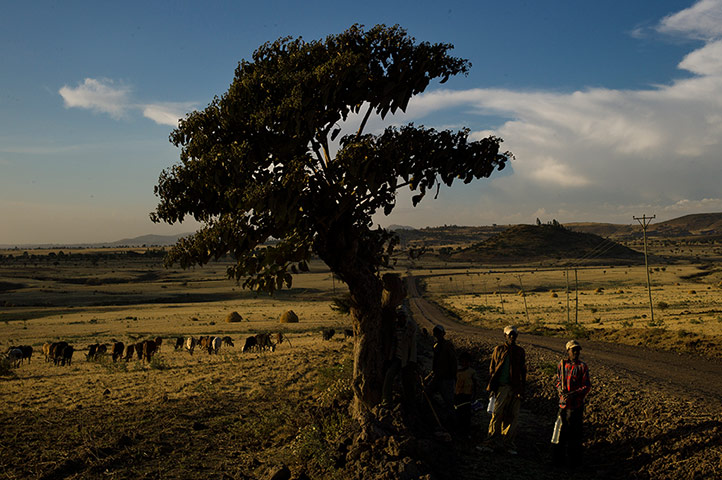
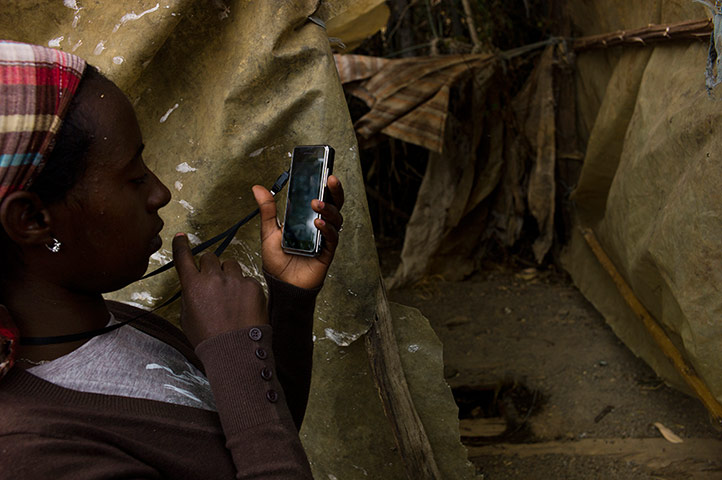
Women line up to be examined after arriving from the market by bus in the town of Keta in the Oromia region. Globally, the survey aims to examine a sample of 4 million people across more than 30 countries in less than three yearsPhotograph: Dominic Nahr/Magnum/SightsaversAs with many other neglected tropical diseases, trachoma is a disease of poverty. It is prevalent in hot, dry and dusty areas where there is a lack of water and sanitation. It particularly affects families, as it passes from mother to child, sibling to sibling. Sisters Bereket, five, and Besufigad, two, from Booddachi town were both discovered to be suffering from the disease; they face a future of blindness if they don't receive antibiotic treatmentPhotograph: Dominic Nahr/Magnum/SightsaversThe infectious eye disease is caused by bacteria, which are spread by contact with an infected person’s hands or clothing, and by flies. If left untreated, the bacterial infection causes eyelashes to turn in on the eye, scraping its surfacePhotograph: Dominic Nahr/Magnum/SightsaversThe disease often begins in early childhood, where episodes of reinfection can lead slowly and painfully to complete blindness in adult lifePhotograph: Dominic Nahr/Magnum/SightsaversChildren stand by the roadside as surveyors travel to the next remote community in the Oromia region. Trachoma is already known to affect more than 21 million people, but it is estimated that another 180 million people worldwide live in areas where the disease is highly prevalent and are at risk of going blindPhotograph: Dominic Nahr/Magnum/SightsaversThe survey team records the availability of water, sanitation and hygiene facilities in each village, capturing the data on smartphonesPhotograph: Dominic Nahr/Magnum/SightsaversThis is the first time that mobile data has been used to survey a global health issue on such a wide scale. All the data will be mapped and results uploaded to open-access disease mapsPhotograph: Dominic Nahr/Magnum/SightsaversThe global mapping project is part of the UK’s commitment to the elimination of neglected tropical diseases. Pharmaceutical company Pfizer donates the oral antibiotic that treats trachoma to NGOs such as Sightsavers. The mapping exercise and the free drugs are supporting significant progress in tackling the disease. The survey is supported by the International Trachoma Initiative and the Fred Hollows FoundationPhotograph: Dominic Nahr/Magnum/Sightsavers
Sign up to read this article
Read news from 100’s of titles, curated specifically for you.