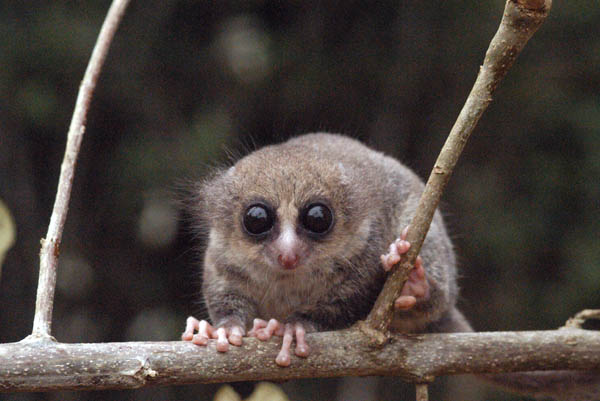
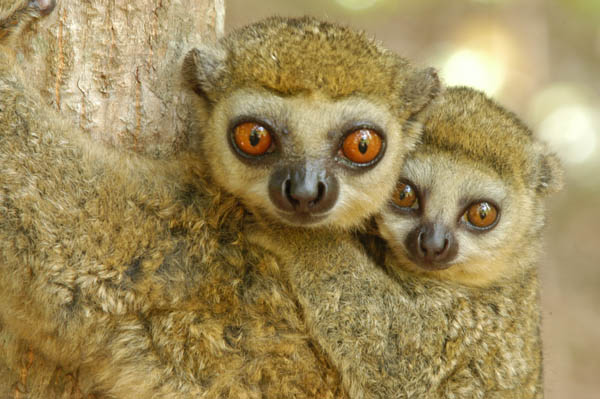
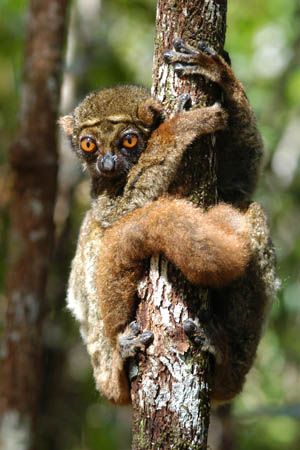
Madagascar, an island off the east coast of Africa, is a renowned biodiversity "hot spot" where 80% of its 30,000 known species, such as this dwarf lemur (Allocebus trichotis), are found nowhere else in the world Photograph: Natural History MuseumAvahi occidentalis A western woolly lemur. Scientists have used specially developed software to create detailed maps of how species are distributed on the island down to a per kilometre levelPhotograph: Natural History MuseumAvahi laniger An eastern woolly lemur. Data was collected on the exact locations of more than 2,300 Malagasy species from six major groups: lemurs, butterflies, frogs, geckos, ants and plantsPhotograph: Edward E Louis Jr/Natural History Museum
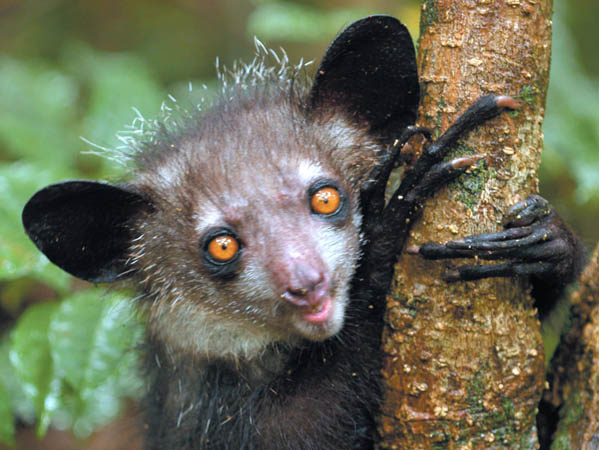
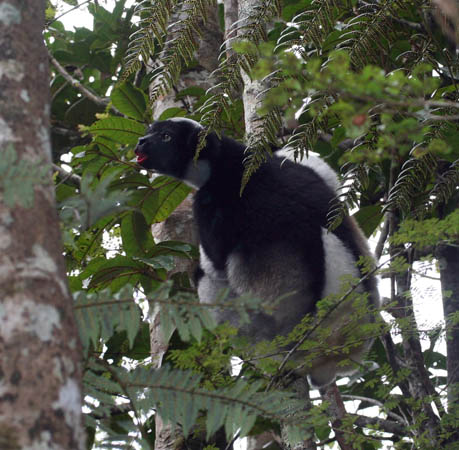
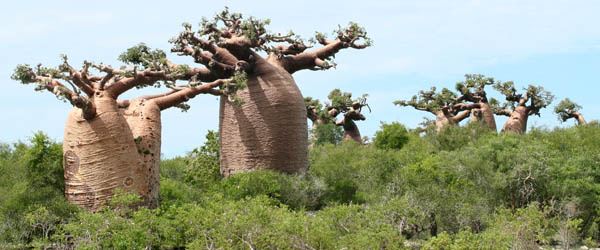
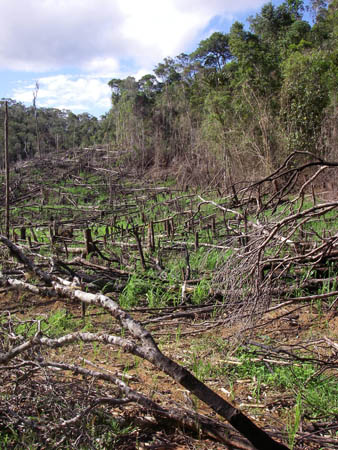
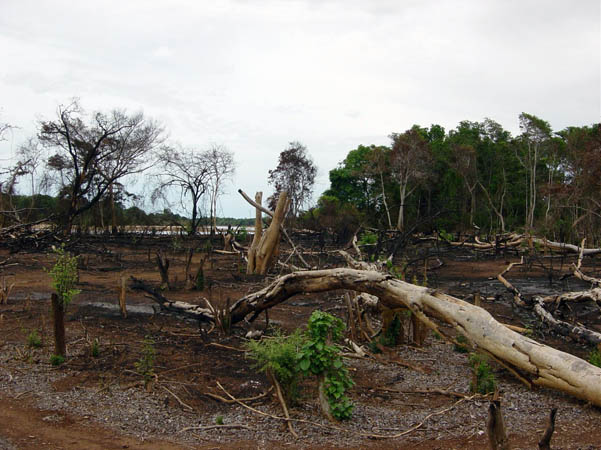
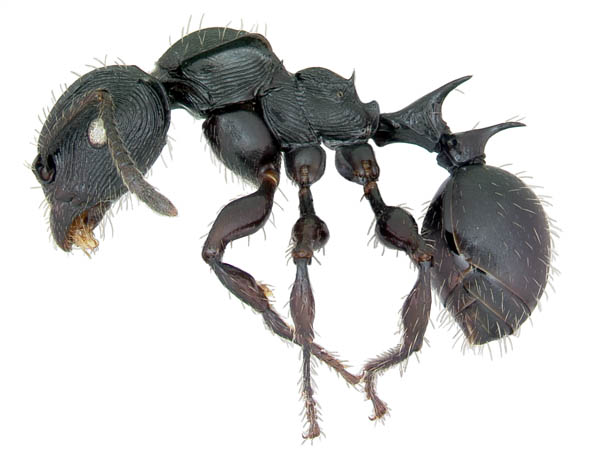
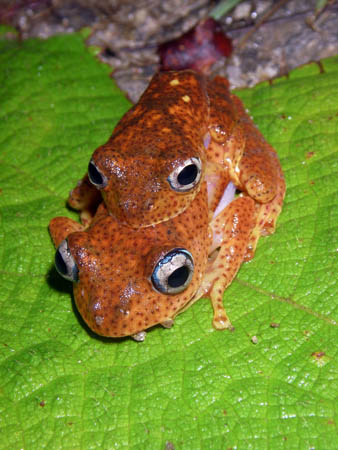
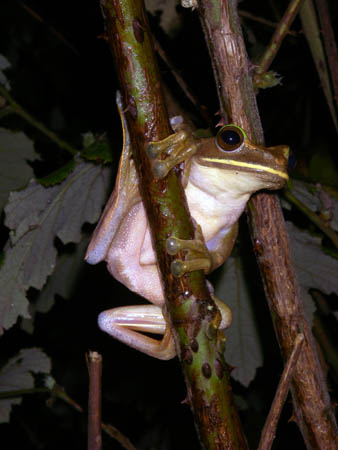
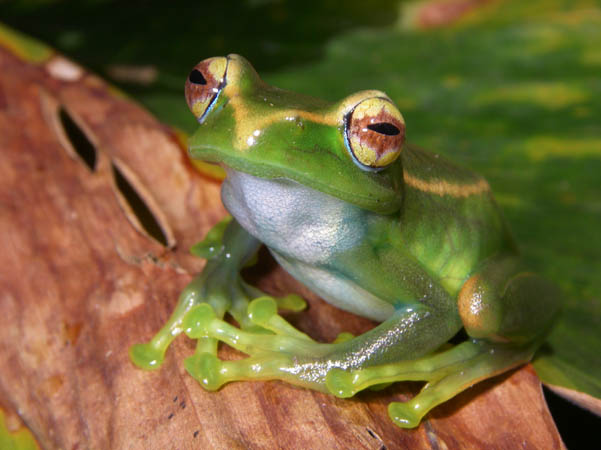
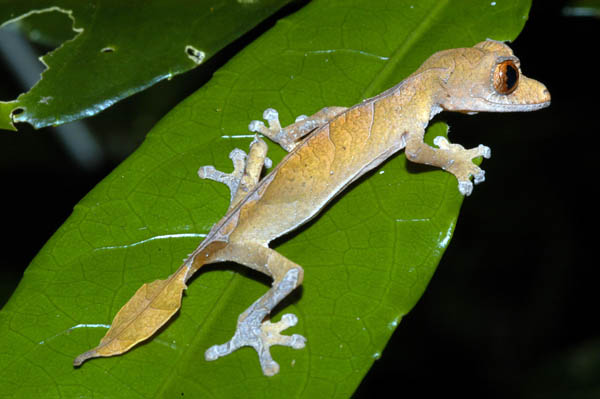
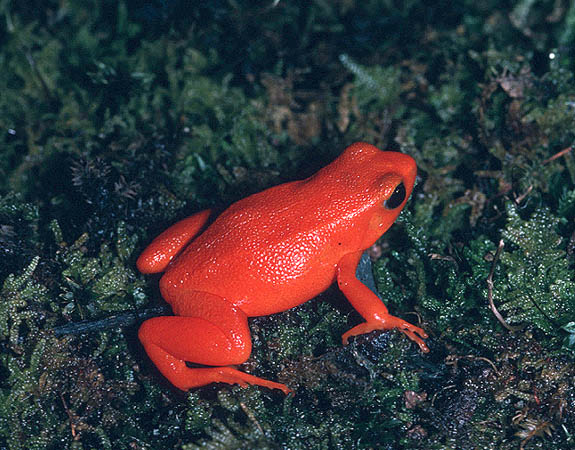
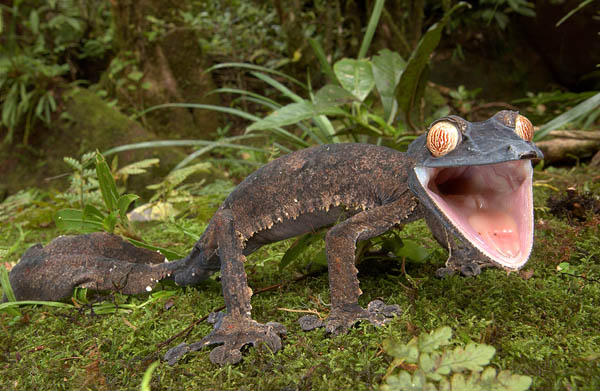
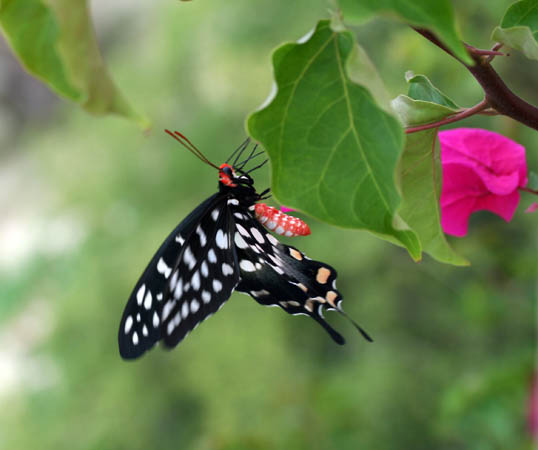
Daubentonia madagascariensis An aye-aye. The world's largest nocturnal primate is found only in Madagascar and well known for its unique method of finding food: it taps on trees to find grubs, then gnaws holes in the wood and inserts its elongated middle finger to pull the grubs outPhotograph: Natural History MuseumThe Indri indri, one of the largest lemurs. The scientists say the Madagascar model could be used for other biodiversity hot spots around the world by helping scientists to predict where species might go for refuge when habitats are endangered by climate changePhotograph: Natural History MuseumAdansonia grandidieri Madagascar has many unique species of flora as well as fauna, such as this distinctive baobab treePhotograph: Natural History MuseumLike other biodiversity hotspots, such as the Amazon, pressures from economics and climate change are increasing the threat of habitat lossPhotograph: Natural History MuseumDeforestation on Madagascar is causing habitat loss for a wide range of speciesPhotograph: Natural History MuseumThe survey mapped the habitats and distribution of the six species of ant that inhabit MadagascarPhotograph: Natural History MuseumBoophis phyrrus, a tree frog of Madagascar. The team used distribution, conservation and status data on all the species in the six groups and then added data on habitat suitability from the satellite images and climactic information including rainfall and average temperaturePhotograph: Natural History MuseumBoophis albilabris, the eastern white-lipped tree frog. Researchers say the project highlighted habitats overlooked in the past such as coastal forests and central mountain ranges with small pockets of trees. Madagascar's nature reserves have previously concentrated on scenic isolated blocks of forest, without an overview of how they are connected, they saidPhotograph: Natural History MuseumBoophis andohahela, a rare endemic tree frog, is found in only three locations on the islandPhotograph: Natural History MuseumUroplatus phantasticus, a leaf-tailed gecko. High-resolution satellite images were taken of the entire 226,657 square mile island of Madagascar to measure distribution of speciesPhotograph: Natural History MuseumMantella aurantiaca, a frog is endemic to central-eastern Madagascar, where it is found in a highly restricted area at elevations over 900mPhotograph: Natural History MuseumUroplatus fimbriatus, a giant leaf-tailed gecko. The international team of scientists was led by conservation biologists at the University of California, Berkeley, and included experts from the Royal Botanic Gardens at Kew and the Natural History museumPhotograph: Natural History MuseumPharmacophagus antenor, a giant swallowtail buttefly. Traditionally, conservation work has focused on protecting just one species or group, like the giant panda, in the belief that saving one high-profile species would protect those nearby. However, the new Madagascar research, published in the journal Science this week, showed that conserving the habitat of only one group excluded up to 50% of rare species from other groupsPhotograph: Natural History Museum
Sign up to read this article
Read news from 100’s of titles, curated specifically for you.