DEAR DOCTORS: I'm 52 years old and going through menopause. I knew about insomnia, night sweats and hot flashes, which get talked about a lot. What's upsetting is that I'm also becoming mentally less sharp than I used to be. Is this part of menopause, too? Would hormone replacement therapy help?
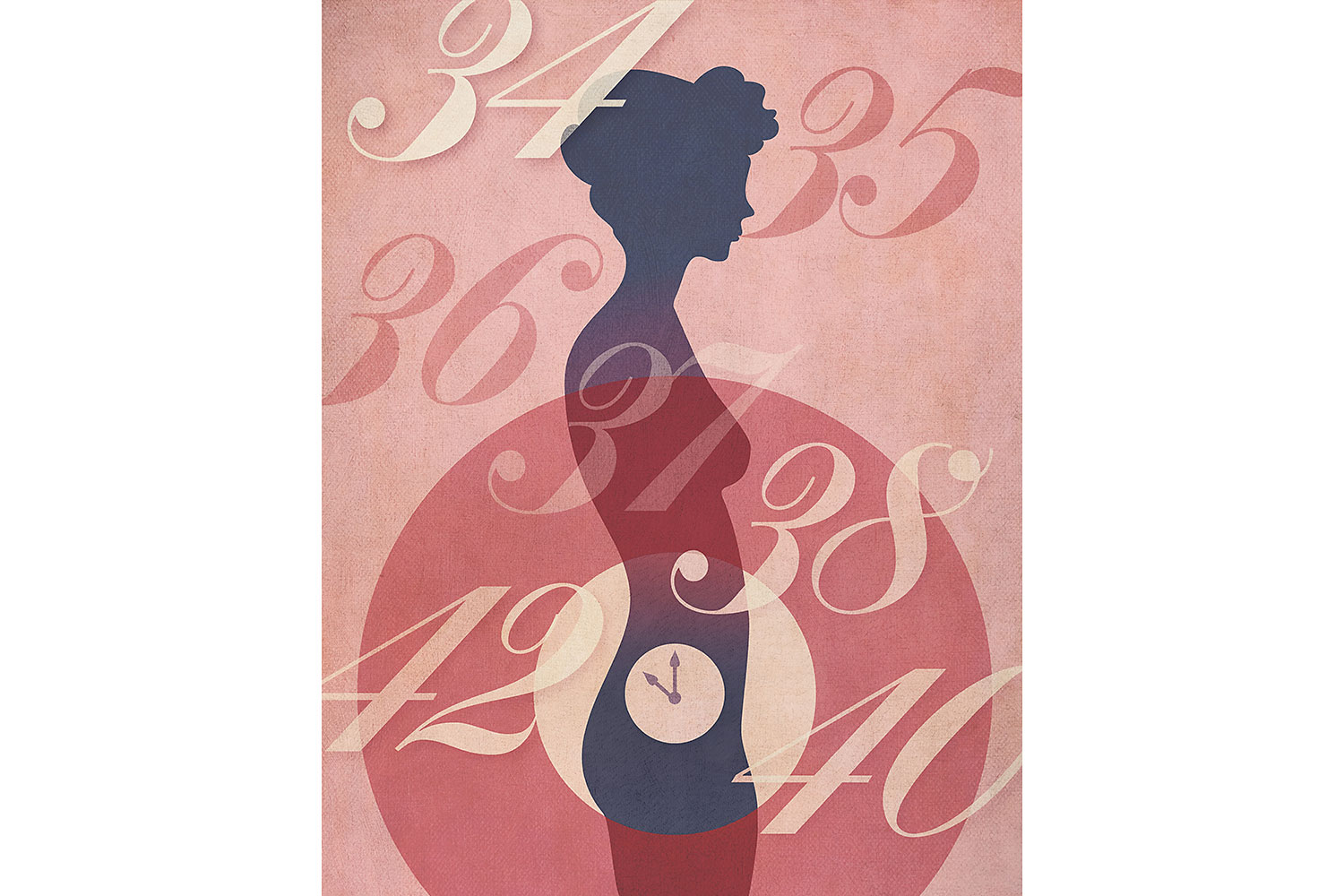
Menopause, like pregnancy and childbirth, is one of the major milestones in a woman's life. Yet women often face menopause alone in comparison to the abundance of books, classes and medical visits that help prepare them to have a baby. That leaves many women unaware of when symptoms begin, and what form they may take.
A woman is in menopause when she has gone a full 12 months without a menstrual period. The transition to menopause, known as perimenopause, is often slow and gradual. It occurs due to a natural decline in reproductive hormones as a woman's ovaries cease to function.
Symptoms include sleep disruption, night sweats and hot flashes that you mentioned. They can also include cramps, headache, weight gain, fatigue, sore breasts, thinning hair, low libido, urinary incontinence, depression, anxiety and other changes to mood.
And yes, the changes to memory that you're experiencing often accompany menopause as well. In fact, it's estimated that up to two-thirds of women may experience some degree of menopause-related cognitive impairment. Commonly referred to as brain fog, it can be marked by problems with decision-making, learning and retaining new information, concentrating and thinking clearly, and an increase in forgetfulness.
Although the reasons for menopause-related cognitive impairment are not completely clear, research suggests a link to the decline in reproductive hormones, particularly oestrogen. Sleep disruption is also believed to play a role.
Hormone replacement therapy, which involves either low-dose estrogen or a combination of oestrogen and progesterone, is sometimes prescribed to ease physical symptoms of menopause. Some women say it helps with cognitive issues as well. However, it's important to note that the long-term use of HRT is associated with adverse health effects, including an increased risk of breast cancer, heart attack, stroke and blood clots in the legs and lungs.
Talk to your healthcare provider about whether the benefits of HRT outweigh the risks in your particular situation. Lifestyle changes can make a difference, starting with a healthy and well-balanced diet. Consider getting serious about the Mediterranean diet, which is rich in brain-boosting omega-3 fatty acids and unsaturated fats, and is kind to the heart, as well. Eating a wide variety of fresh fruits, vegetables and leafy greens has repeatedly been linked to improved cognition.
Exercise is also helpful. Recent studies have found that even light exercise, such as a yoga or tai chi, or a low-intensity session on a stationary bike, can improve both memory and mood. Quality sleep is important to cognition, so get serious about good sleep hygiene. The good news is that for most post-menopausal women, these cognitive changes don't last. If symptoms worsen, however, we urge you to check in with your healthcare provider to rule out other causes. Universal Features Syndicate
Dr Eve Glazier is an internist and associate professor of medicine at UCLA Health. Dr Elizabeth Ko is an internist and assistant professor of medicine at UCLA Health.