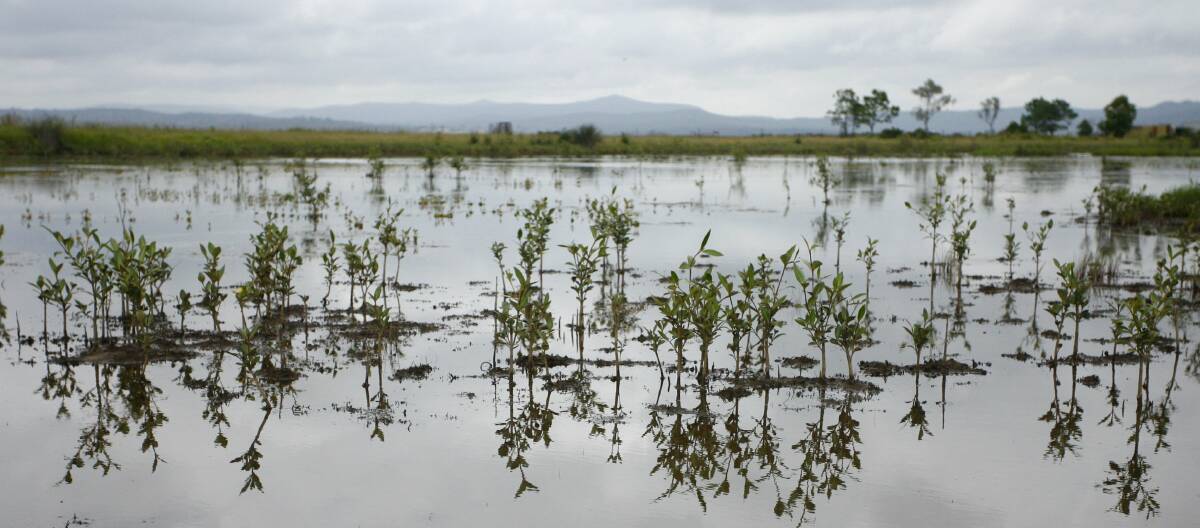
Thousands of hectares of mangroves were wiped out across the Lower Hunter during the last century in an effort to reclaim land for grazing and housing.
Environmental scientists Becky Schmidt from CSIRO and Dr Ian Cresswell from the University of Newcastle developed a process known as natural capital accounting to place a value on the contribution of natural assets such as mangroves.
The research shows that effective management of the whole ecosystem is required for communities to maximise the benefits of an estuary's shared natural capital.
Specific benefits attributed to healthy mangroves include assisting in atmospheric carbon sequestration, providing protection against tidal surges and providing habitat to a multitude of organisms including barramundi, mud crabs and banana prawns.
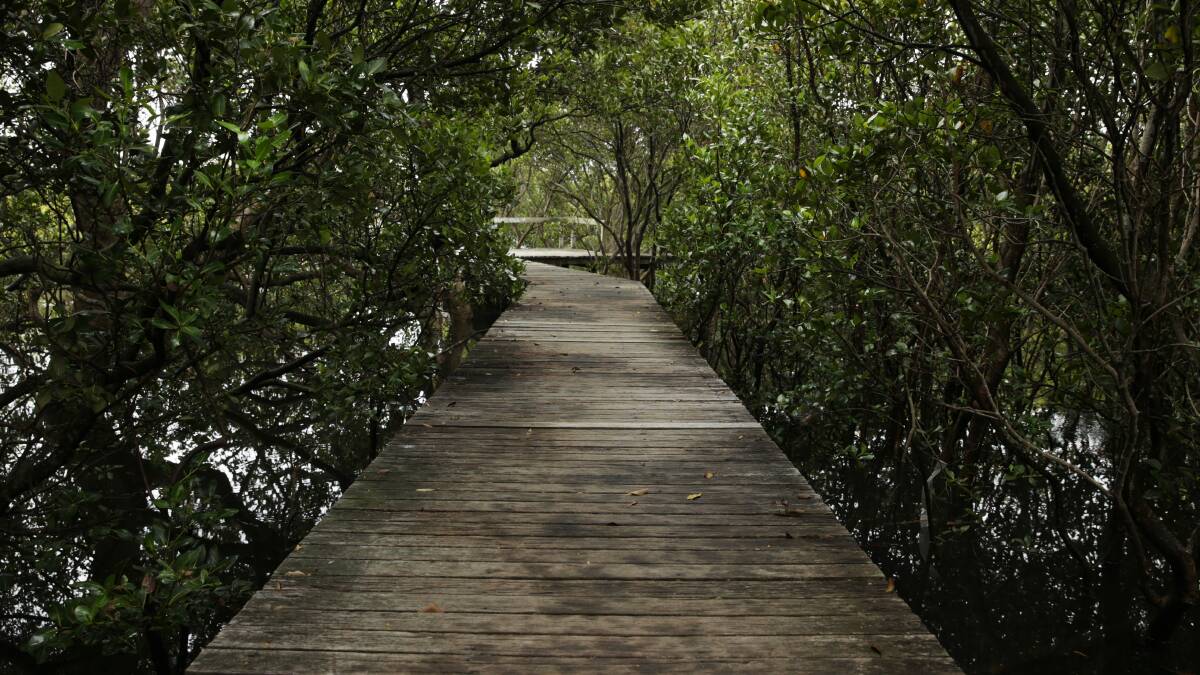
Australia is home to seven per cent of the world's mangroves covering about 11,500 square kilometres.
The Hunter Wetlands National Park extends from Hexham in the west to Stockton and Fern Bay in the east.
The park's wetlands are listed under the international Ramsar convention on Wetlands due to their exceptional environmental values.
It also contains the second largest area of mangroves in the state and extensive areas of coastal saltmarsh.
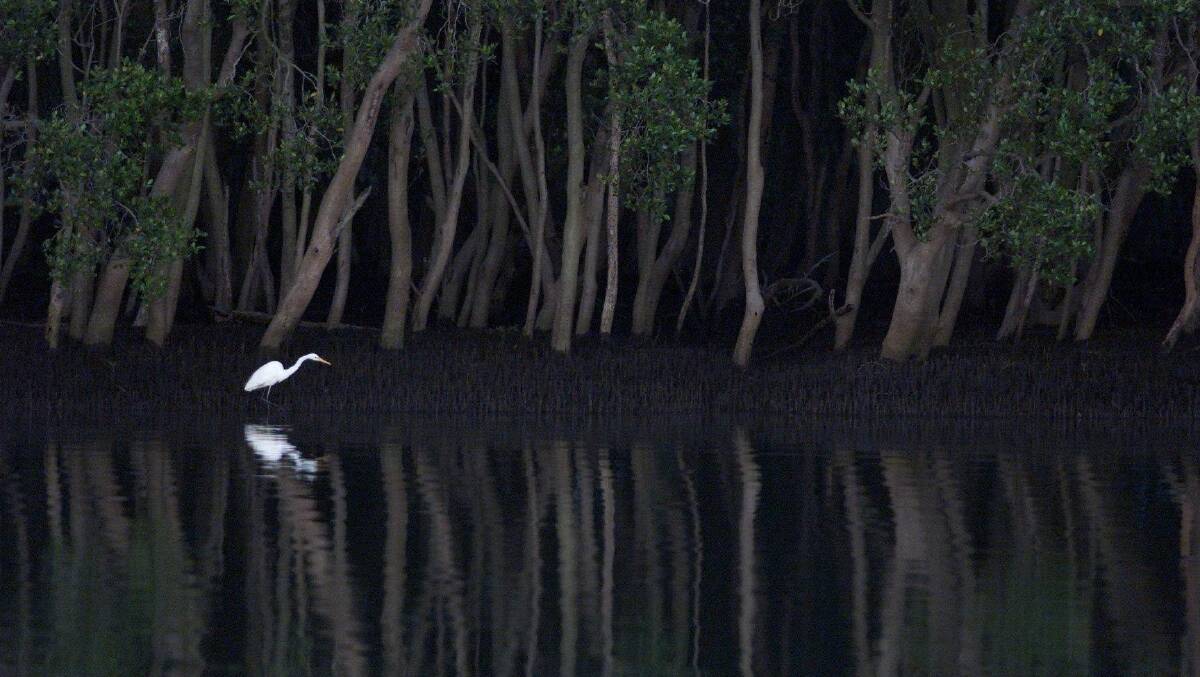
A plan of management notes that, despite the park's international significance, there was little awareness and appreciation of the wetland system in the general community.
It also highlights climate change as a risk to biodiversity and the size of future populations within the park.
Species most at risk are those unable to migrate or adapt, particularly those with small population sizes or with slow growth rates.
Immediate challenges include maintaining the park within a highly modified and evolving estuarine environment.
"Key challenges for park management are the significant predicted growth in the Hunter Region's population, the growing popularity of outdoor recreational activities and the neighbouring port, which is the largest coal exporting port in the world." the report said.