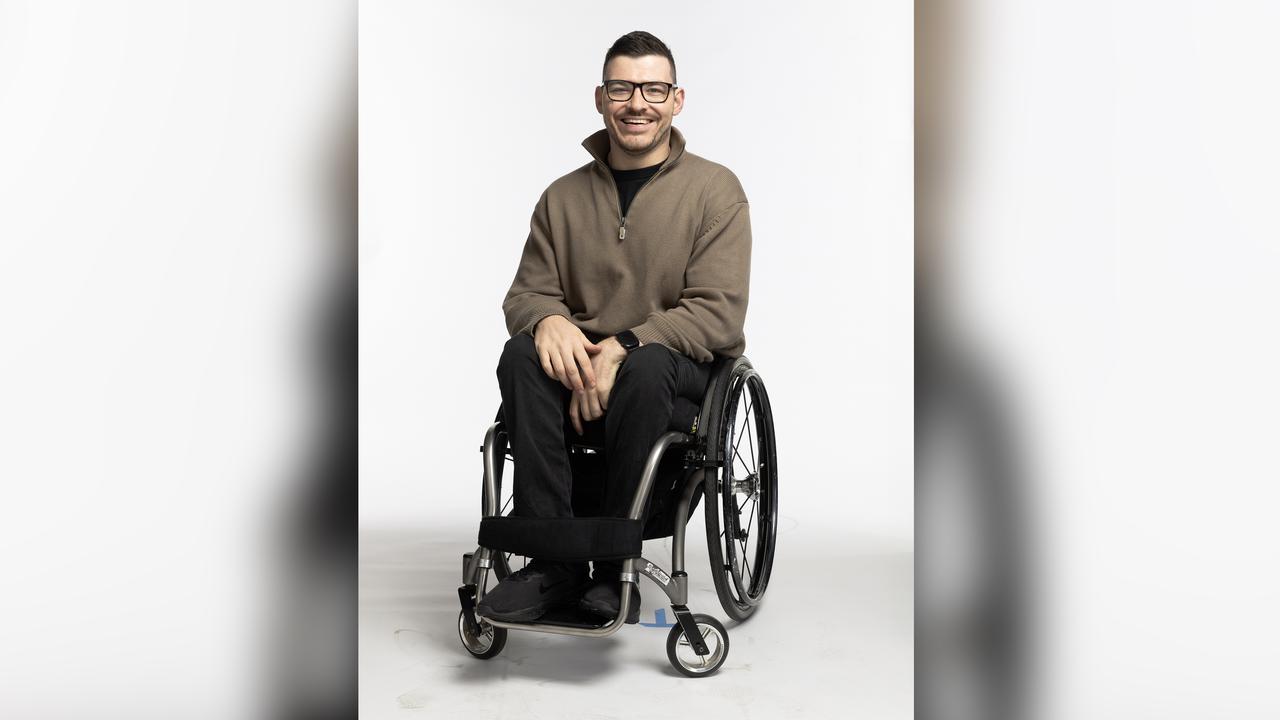
Oliver Hunter wants to be a full-time comedian but doesn't find it at all funny that he can't even get on stage at major venues because he's a wheelchair user.
The 30-year-old would love to pursue his passion for stand-up but lack of access for people with disability at Melbourne's pubs and clubs is curbing his ambition.
He says he can't access the three full-time comedy clubs in the city as they are held downstairs or upstairs at pubs where there are no lifts and no accessible bathrooms for someone in a chair.
"That has always been a bugbear of mine and a constant barrier to access comedy," Hunter tells AAP.
At other venues he has had to perform from the front row because he can't get onto the stage.
The places where he can work often don't have wheelchair-accessible toilets so Hunter is left to figure out where the nearest one is.
"That's what I have to think about in the comedy world," he says wryly.
A lot of Melbourne's old pubs cite the expense or their heritage listing as excuses for not providing lifts and ramps for people with disability.
"I would just love to be a comedian like my able-bodied counterparts," Hunter adds.
"The passion for the art can sometimes be outweighed by the logistical effort to do it but you just keep doing it."
Hunter's story is one of many that reveal how everyday environments still fall short for millions of Australians with disability.
Bridie McKim, who has cerebral palsy, became the first actor with disability to have a lead role in an Australian television series, playing Sabine in The Heights on the ABC, set in a social housing block.
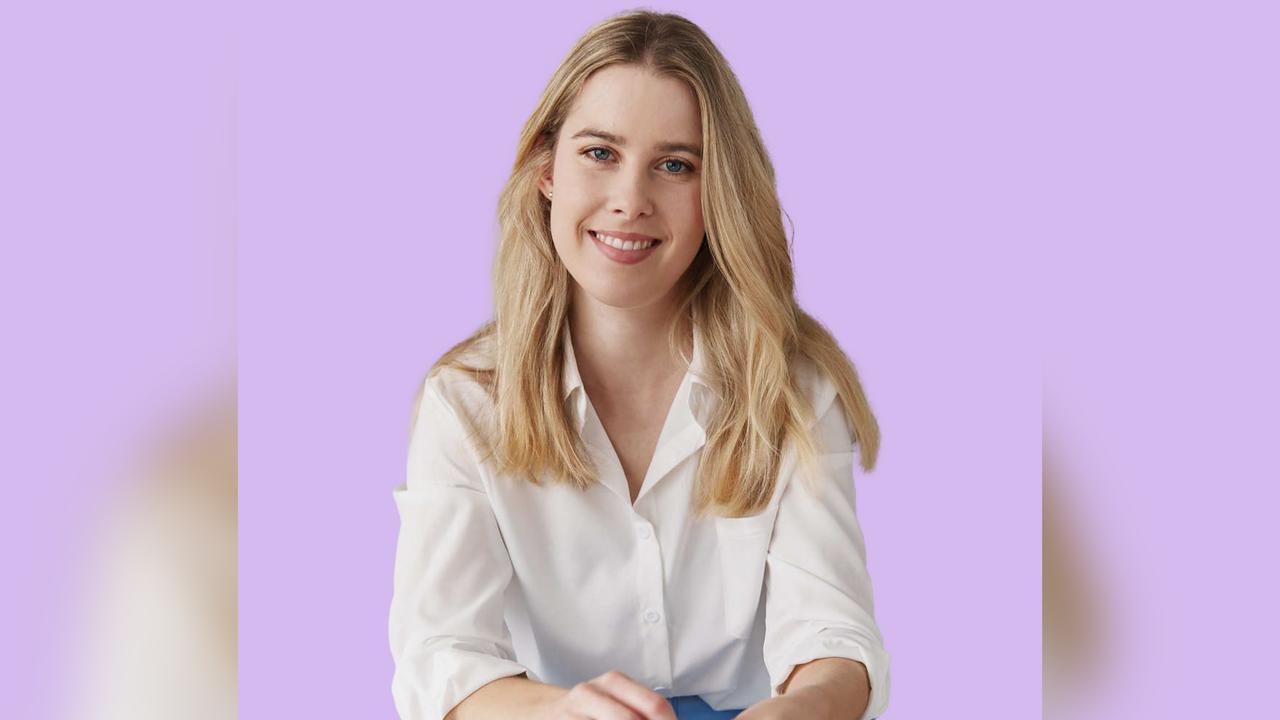
The 28-year-old says her condition makes her leg muscles tight, meaning her body has to work three times harder to move and she has to be constantly aware of her balance, and manage pain and fatigue.
To excel she needs workplace adjustments which are often assumed to be really expensive or hard to implement, she tells AAP.
But her requirements are just to have access to a seat with a back on it and to have railings attached to stairs.
"Sometimes in the past in certain workplaces I haven't had the confidence to disclose my access requirements or workplace adjustments or request them for fear I could lose a job or get opportunities taken away from me," McKim says.
Speaking as a consultant on access and inclusion for people with disability, she says the goal is "business as usual", with workplace procedures in place to enable people to confidently disclose what they require.
To help bring about change Hunter and McKim are helping promote a new campaign by Get Skilled Access calling for governments and businesses to recognise accessibility as a right, not an afterthought.
GSA co-CEO Zack Alcott says their Just Be campaign challenges Australia to design workplaces and venues where access is part of the everyday and people with disability can "just be".
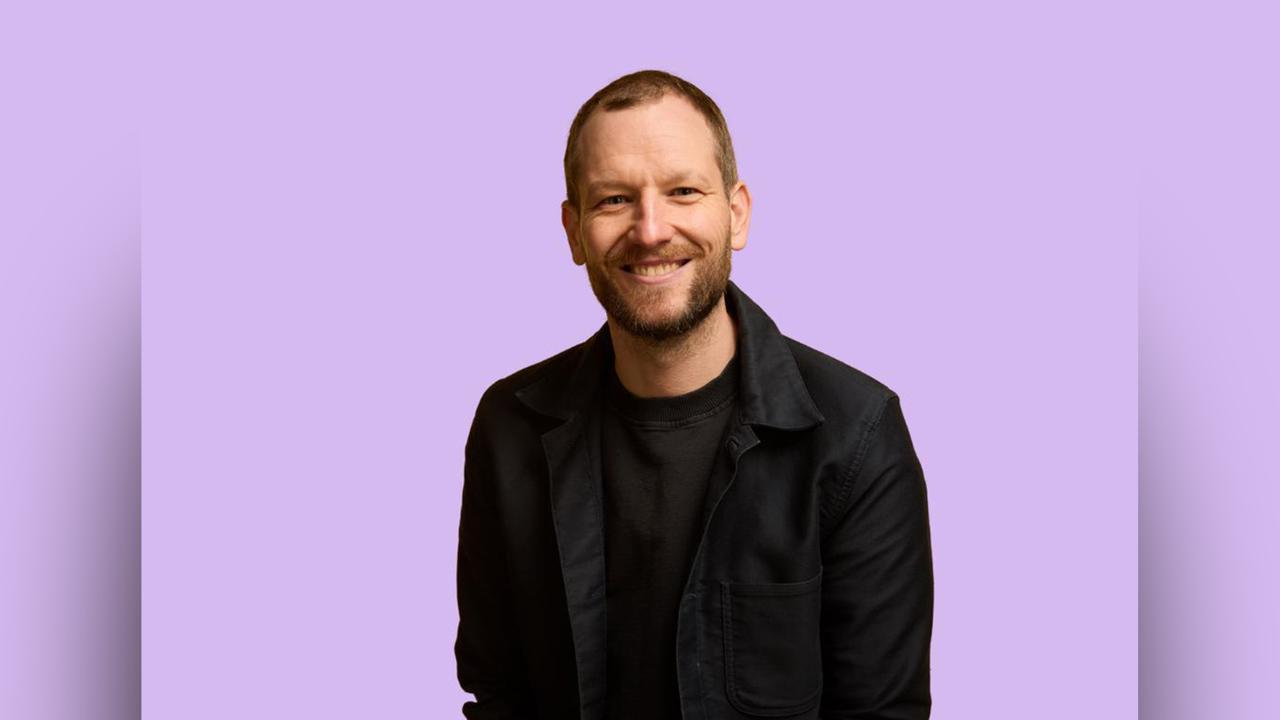
It's a case of speaking to government and corporate organisations to help them understand what barriers they can remove to enable people with disability, he says.
Survey data shows that while one in five Australians live with disability, only 72 per cent of employees with disability say their workplaces feel inclusive.
GSA has worked with major employers such as Medibank, putting senior managers in wheelchairs to explore their own workplaces, navigating hallways, lifts and meeting spaces.
Those immersive experiences help shape accessibility upgrades, Mr Alcott says.
At Medibank for example they were problem solving, understanding why they needed automatic doors, that heavy doors into meeting areas can be a challenge and that clutter in a workspace can make it inaccessible.
"What people take for granted can really make a difference for someone with a disability," Mr Alcott says.
"Accessibility isn't an add-on but a business advantage that drives innovation, loyalty and performance."
As the brother of wheelchair tennis and basketball ace, Paralympic gold medallist Dylan Alcott, addressing the issue has been a lifelong passion for him.
Hunter, meanwhile, is only asking for his fair time in the comedy spotlight, on a level playing stage with able-bodied comedians.
"A better world for people with disability is a world where we can just do what we want and how we want to do it," he says.