
Manchester United’s plan to build a new Old Trafford that will be the biggest stadium in the U.K. has been publicly endorsed in the launch of the £1 billion ($1.31 billion) ‘GM Good Growth Fund’ that intends to pioneer a new model of economic growth across the whole city.
Trafford is just one of 10 boroughs that make up Greater Manchester and the ambitious local government wants to continue driving the success of the city region, which has become the “fastest growing part of the UK economy” in recent years.
Mayor Andy Burnham outlined a vision for Manchester to develop into “a second city to rival any other on the planet by 2050”, automatically pitting it against the likes of New York, Mumbai, Sydney, São Paulo, Milan, Toronto, Dubai and many more.
Greater Manchester has been described by an Oxford Economics report as a “trailblazer for local devolution,” the idea that an individual city takes more control of its own business and affairs as power and decision-making shifts from the national government to the local level.
While Manchester city centre is considered a huge success story, the hope is to replicate that and regenerate various suburban towns and localities that have been left victim to post-industrial decay. By ignoring the “busted trickle-down theory,” which puts money in at the top end in the hope it will eventually benefit everyone, investment will go straight into serving the needs of communities.
Greater Manchester’s economy could add £38 billion to the U.K.’s national finances over the next decade and the first £400 million wave of investment aims to create “nearly 3,000 homes, more than 22,000 jobs, and two million square feet of employment space.”
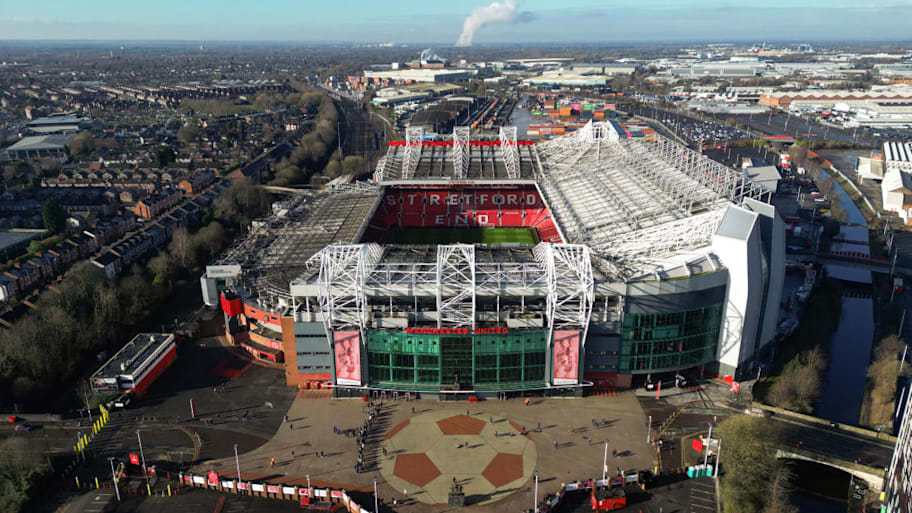
The wider Old Trafford area, encompassing vast land around the stadium site, was formerly a thriving industrial estate but is now ripe for urban regeneration. Funding has been committed to create more than 800 new homes at Trafford Wharf and Stretford Mall sites over the coming months, while “driving forward” the Old Trafford Regeneration project is considered a “priority scheme” within the “integrated pipeline.” In other words, Greater Manchester sees the enormous benefit of a new Old Trafford stadium and the associated benefits, and wants it to happen.
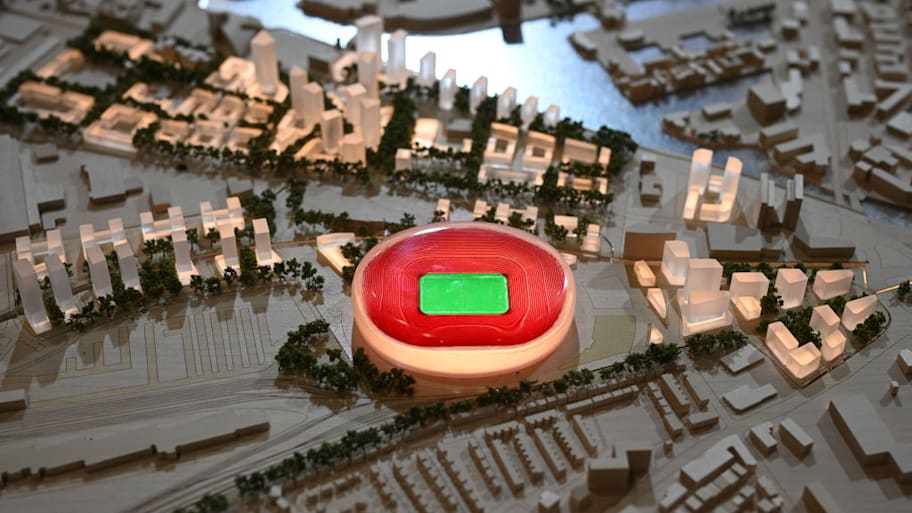
A proposed 100,000-capacity stadium will be at the heart of the local regeneration, which will include 15,000 new homes and become a “leisure and business destination”. The stadium itself, estimated as a £2 billion project, will be privately funded but a catalyst for other major redevelopment locally.
Man Utd ‘Welcome’ Greater Manchester Growth Plan
In a statement published by the club, chief operating office Collette Roche said: “We are delighted to see the Old Trafford Regeneration project at the heart of Greater Manchester’s wider growth plan for the next decade.
“We want to build the world’s best football stadium as a new home for Manchester United and a venue fit for the biggest international events, including the 2035 FIFA Women’s World Cup, surrounded by a vibrant business, leisure and residential district served by excellent transport links.
“We are determined to play our part, together with other stakeholders, in making this vision a reality and unlocking the huge benefits it can deliver for the surrounding community and wider region.”
New Old Trafford Status
No planning permission application has therefore been submitted either and the club has only recently closed a survey period inviting fans to share their views on things such as potential facilities, seating and ticket pricing, after an earlier consultation towards the end of 2024.
READ THE LATEST MAN UTD NEWS, TRANSFER RUMORS AND MORE
This article was originally published on www.si.com as Man Utd Take £1 Billion-Step Closer to Record-Breaking New Stadium.