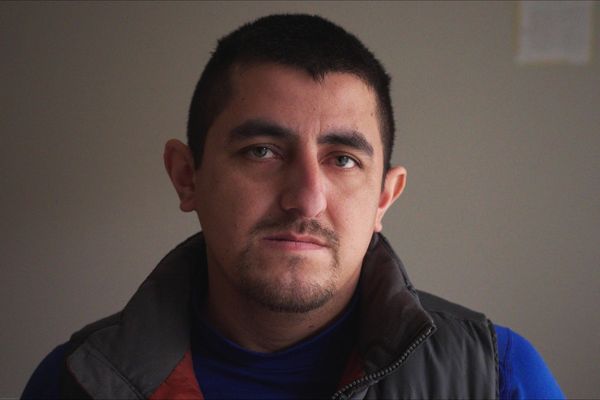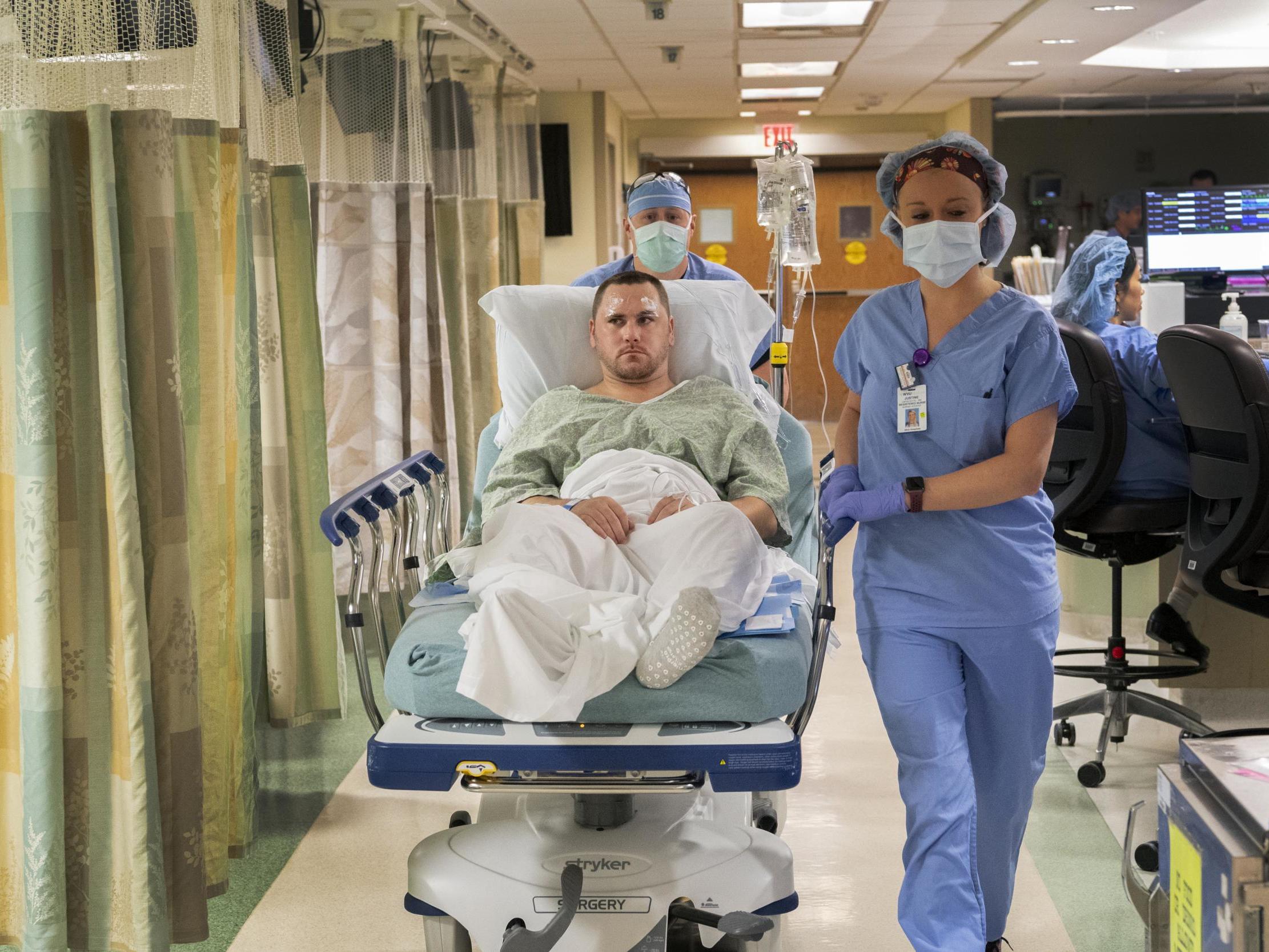
A man has had a microchip implanted in his brain to help him overcome his addiction to pain medication.
With a history of overdoses, Gerod Buckhalter has struggled for more than decade with addiction to opioids and benzodiazepine for more than a decade.
But the 33-year-old has now been implanted with a Deep Brain Simulation (DBS) chip. Placed in the addiction and reward centre, it will send signals designed to limit cravings.
The technology that has so far proved useful to Parkinson’s disease sufferers in reducing tremors and it is thought that if successful in Mr Buckhalter and three other patients due to undergo the surgery, it could help to stem the tide of the US opioid epidemic.
The implant works in a similar way to a pacemaker, producing electronic pulses to stimulate the body.
It has already been approved for application in cases of dystonia, epilepsy, and obsessive-compulsive disorder and the team at the West Virginia University Rockefeller Neuroscience Institute (RNI) who performed the operation, said they hoped it will also help to limit the urges associated with opiate addiction.
“Addiction is a brain disease involving the reward centres in the brain, and we need to explore new technologies, such as the use of DBS, to help those severely impacted by opioid use disorder," said Dr Ali Rezai, the principal investigator leading the trial.
The first phase of the trial will see four patients undergo the surgery – all having failed to find sufficient support across a range of medical alternatives.
West Virginia has the highest age-adjusted rate of drug overdose deaths involving opioids in the US.
In 2017, drug overdose deaths involving opioids in West Virginia occurred at a rate of 49.6 deaths per 100,000 persons, according to the National Institute on Drug Abuse.
Dr James Berry, interim chair of the West Virginia University Department of Behavioral Medicine and Psychiatry and director of Addiction Services at RNI, added: “Despite our best efforts using current, evidence-based treatment modalities, there exist a number of patients who simply don’t respond. Some of these patients remain at very high risk for ongoing catastrophic health problems and even death.
"DBS could prove to be a valuable tool in our fight to keep people alive and well.”