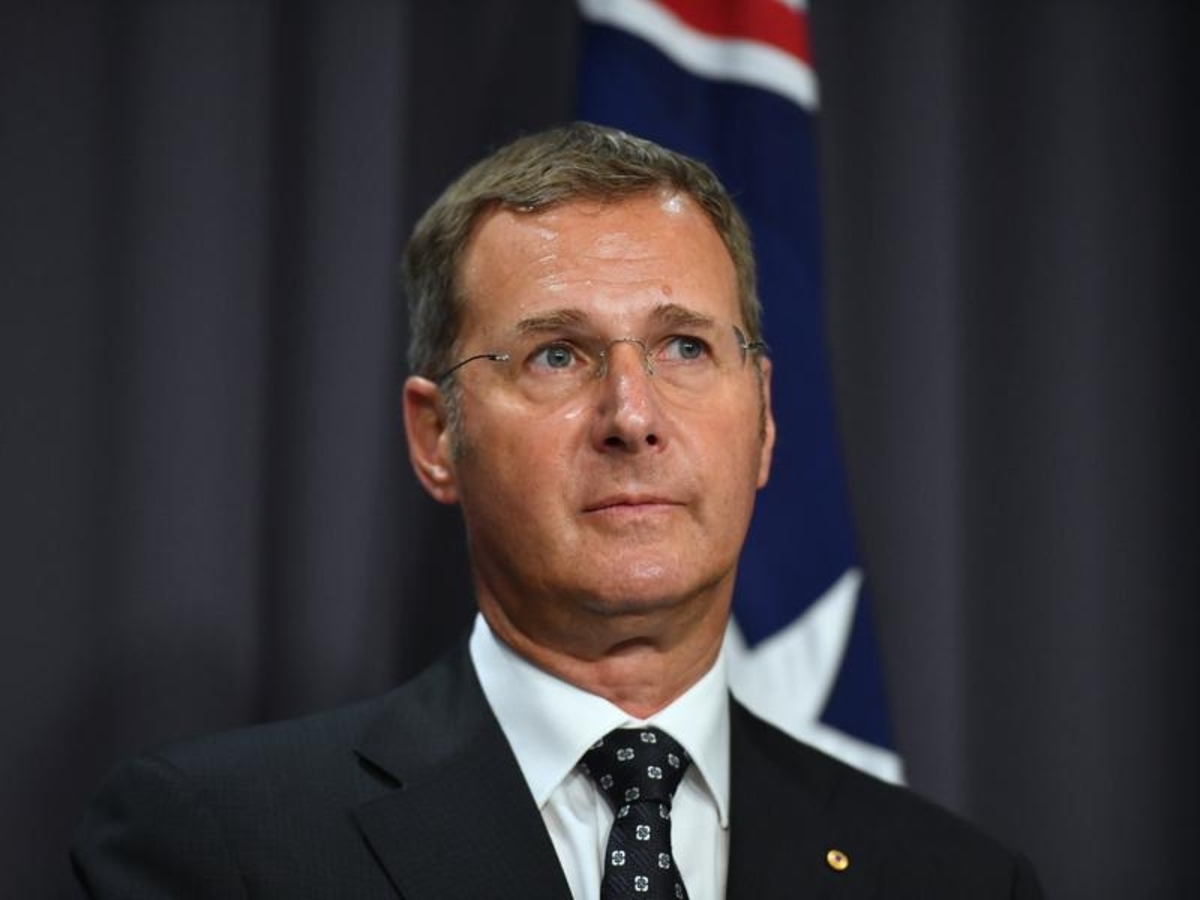
A man is being treated in a Melbourne hospital for an "extremely rare" blood clot condition after receiving the AstraZeneca COVID-19 vaccine, Acting Chief Medical Officer Michael Kidd has confirmed.
It is not clear whether the illness is linked to the man's vaccination, but health authorities are taking it seriously, Professor Kidd says.
He emphasised the risk of Australians contracting COVID-19 was "far greater" than contracting the rare blood clotting disorder.
Health authorities are meeting through the Easter long weekend for further guidance on the illness from overseas colleagues where similar conditions have been recorded in people who have received the AstraZeneca jab.
"We are taking this very seriously," Prof Kidd said on Friday afternoon.
"I acknowledge that people will be anxious and we will get more information as soon as it's available."
The man is in Box Hill hospital, in Melbourne's east, after having the jab on March 22, the ABC has reported.
A small number of people in Europe and the United Kingdom have presented with the blood clotting disorder but a causal link with the AstraZeneca vaccine is yet to be established.
Australia's central medical advisory body the AHPPC met on Friday and will meet on Saturday over the matter, with the Therapeutic Goods Administration and the Australian Technical Advisory Group on Immunisation also holding multiple meetings over the weekend.
Prof Kidd said expected side effects from either the Pfizer or AstraZeneca jab could include fever, sore muscles, tiredness and headache and that such symptoms could start about 24 hours after receiving the vaccine and last one to two days.
"These are expected and not of concern unless severe or persistent," he said.
The most concerning symptom would be severe anaphylaxis, which is why people are monitored for about 15 minutes after receiving the vaccination.