Every engaged couple should have the right to decide how they want to get married. Suggestions from family and friends are normal, but passive-aggressive comments and blackmail are not.
A few days ago, one man turned to Reddit to vent his frustrations about planning a small, intimate wedding with his fiancée. And they all have something to do with his parents, who pushed their vision of the event even after they were told to stop.
Some families contribute financially, and in exchange, the bride and groom may grant them power over certain choices, but that wasn’t the case here. His mom and dad weren’t ready to pitch in, but had no trouble dictating guest lists, demanding a bigger venue, and even destroying his personal belongings to try to force their way.
While exciting, planning a wedding can be tricky

Image credits: Breno Cardoso / Pexels (not the actual photo)
Especially when others start forcing their vision onto the couple
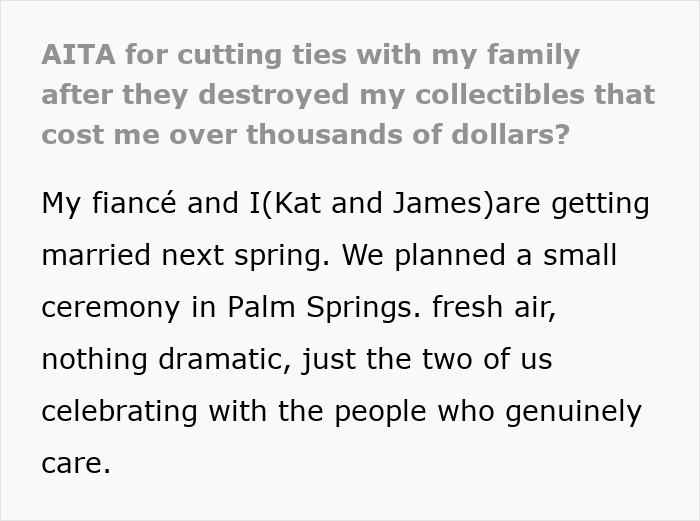
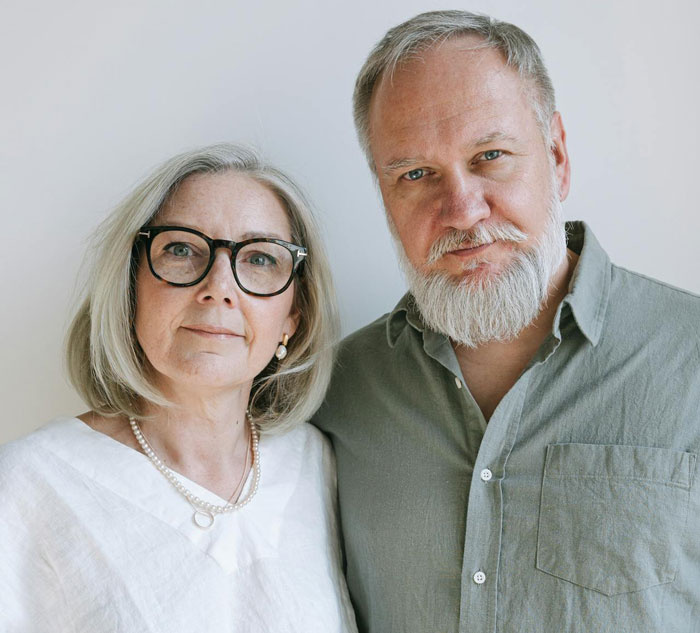
Image credits: Ivan S / Pexels (not the actual photo)

Image credits: Erik Mclean / Pexels (not the actual photo)


Image credits: Will Oliveira / Pexels (not the actual photo)
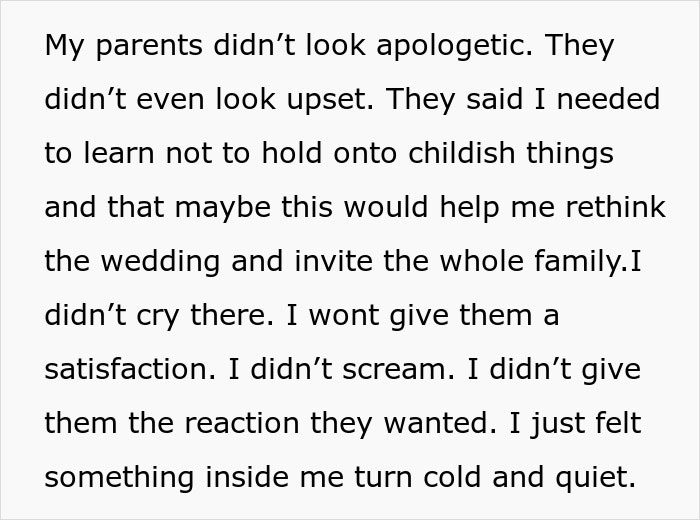
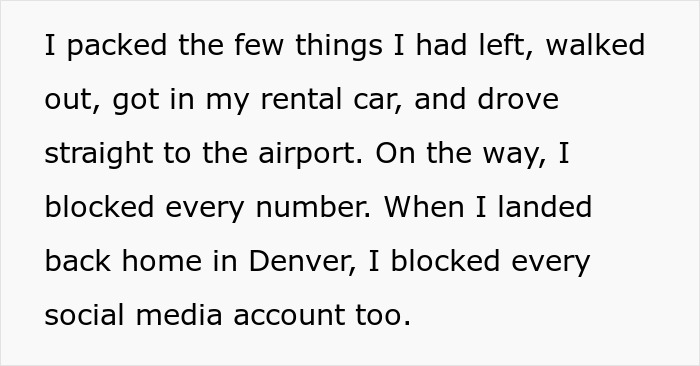
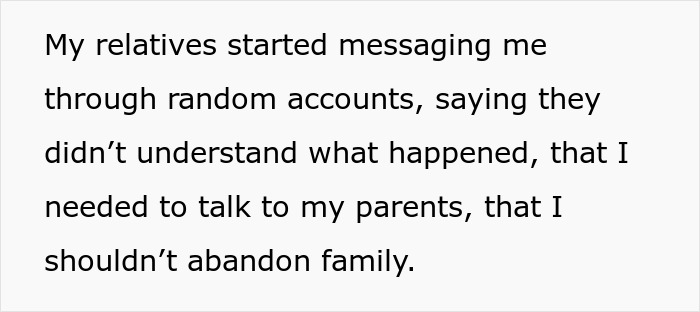
The groom said he stands by his decision to go no contact with his parents

Image credits: Mâide Arslan / Pexels (not the actual photo)
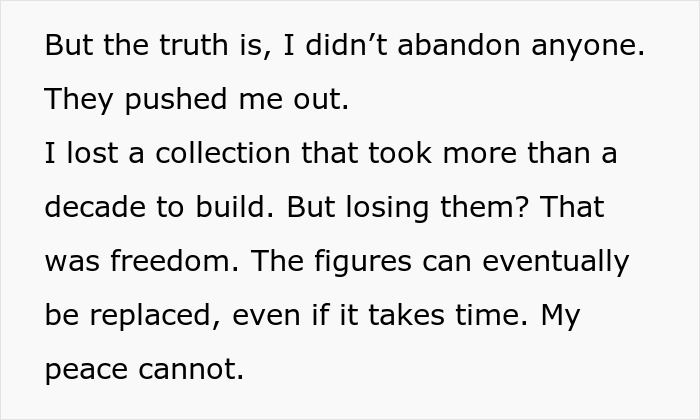
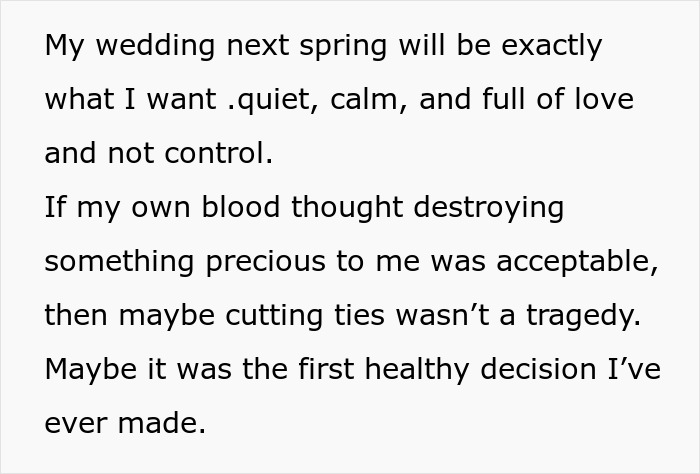

Image credits: anonymous
The role of the groom’s parents can vary
Even though couples are breaking old wedding traditions left and right, historically, the bride’s family has been responsible for most of the costs associated with the nuptials. This has often included everything from the wedding planner to vendor fees.
The groom’s family, on the other hand, has traditionally covered expenses such as the bride’s rings, the groom’s and groomsmen’s attire, the rehearsal dinner, gifts for the groomsmen, some personal flowers, the officiant’s fee, the marriage license fee, certain transportation costs, and the honeymoon. Of course, this list can be reduced or expanded depending on the couple’s preferences and financial situations.
“Most of our clients stick to this tradition,” said Terrica McKee, the founder of Southern Productions, a wedding and event-planning company in Mississippi, adding that others tweak it slightly. “Sometimes the groom’s family will just pay for the rehearsal dinner, and that’s all, and in that case, the bride’s family just handles everything else.”
“I’ve had some brides who didn’t want to mention the groom’s expenses to the groom’s family at all and decided to pay for all of it unless they came to them and offered or asked what they were expected to pay.”
When parents contribute to specific parts of the wedding, they may expect some involvement in those areas. How much input that actually looks like varies, but it’s often tied directly to what they’re contributing toward rather than the wedding as a whole.
Up to one in five people are thought to experience estrangement from a parent at some point in life
Developmental psychologist Lucy Blake, PhD, is the author of No Family Is Perfect: A Guide to Embracing the Messy Reality and a senior lecturer at the University of the West of England.
On the American Psychological Association’s podcast Speaking of Psychology, she noted that estrangement is a research topic that is still just gaining traction and highlighted that there isn’t a lot of data available. However, Blake did reference a German study that suggested 20% of adults will go through a period of estrangement with a father, and 9% will experience estrangement with a mother at some point in their lives.
“We’re still learning about this, but common causes that I found in my own research are those of emotional abuse,” she explained. “So people feel that there is a quality in the relationship that isn’t safe and that might be referring to acts in the relationship, like calling somebody names or kind of teasing someone, bullying someone, or that might be that the relationship just doesn’t have a quality of closeness or safety in it.”
Other common causes she has observed often stem from having different family values, “so feeling that your family member doesn’t have the same way of thinking about important issues, perhaps like gender or sexuality or religion.”
But she added that “there are all sorts of different pathways to estrangement.”
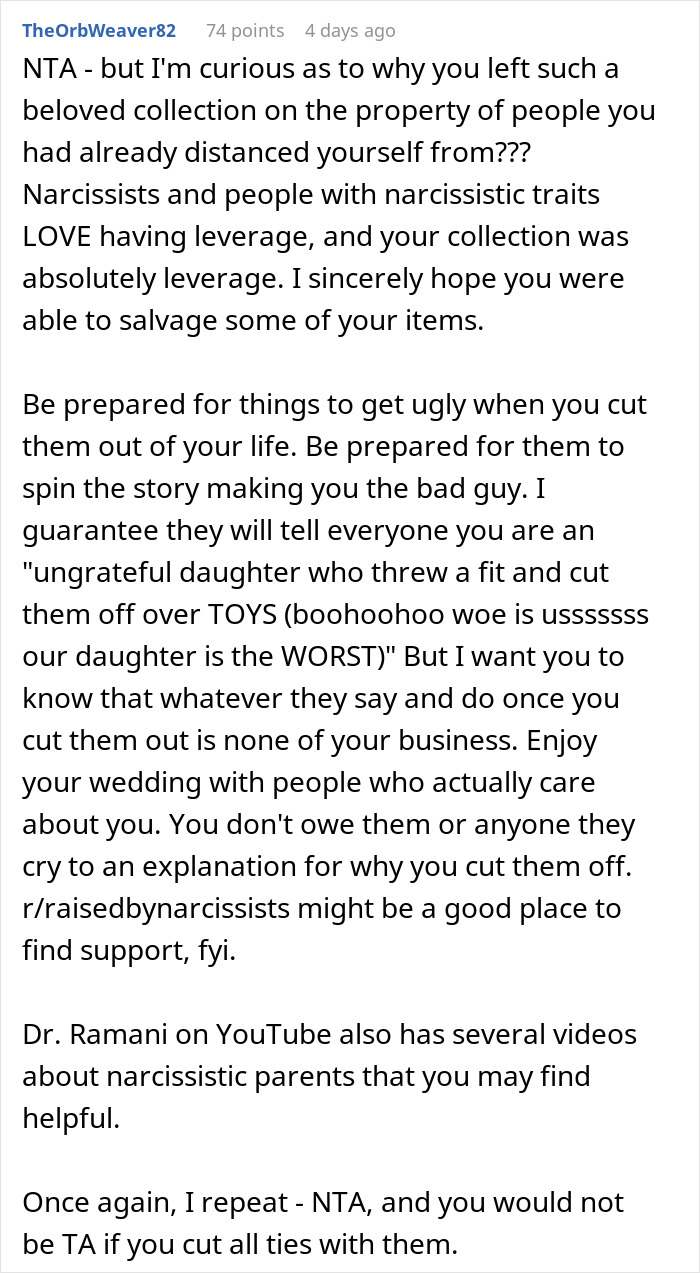
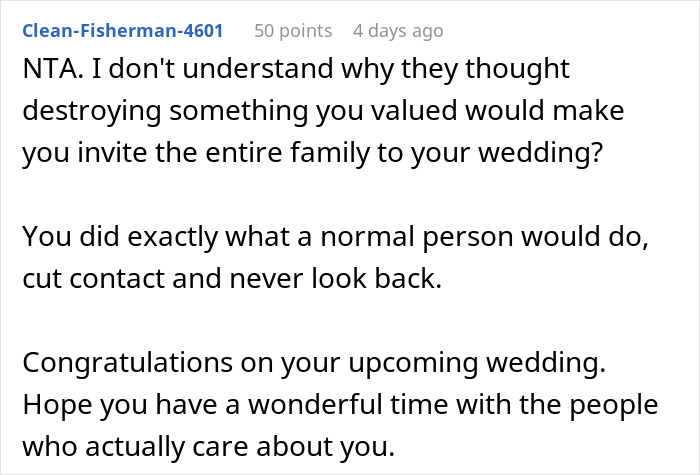
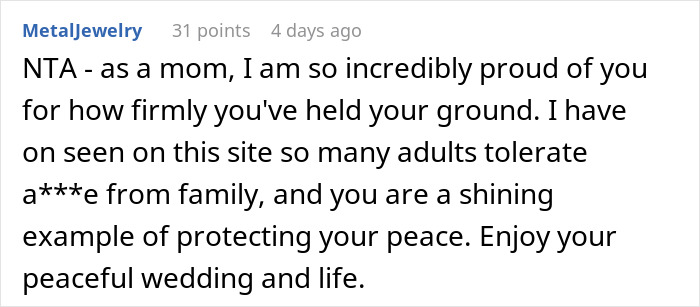
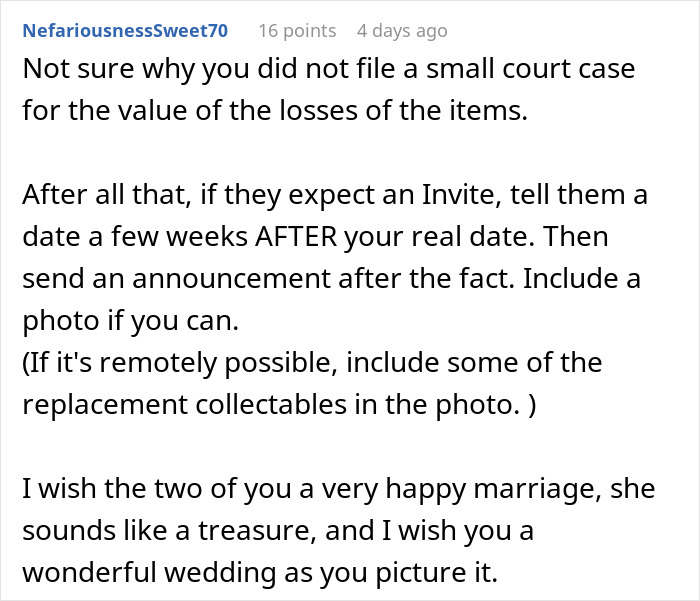
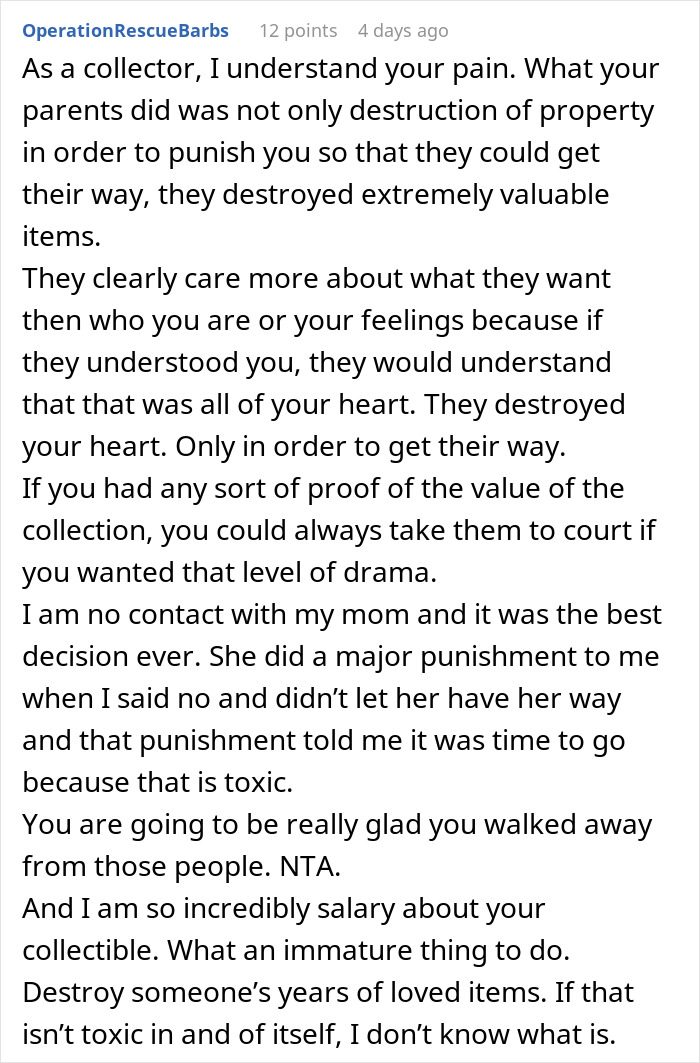
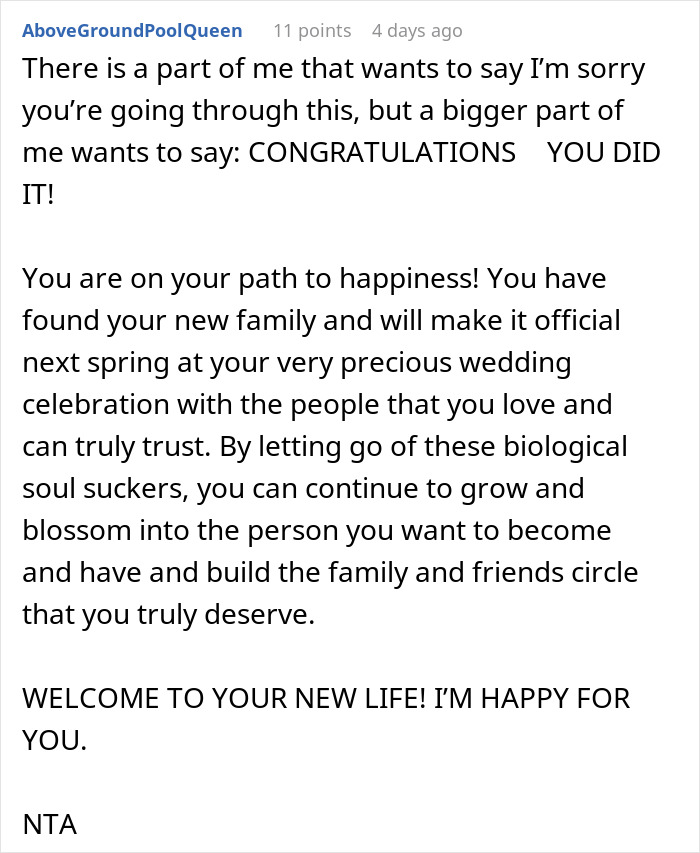
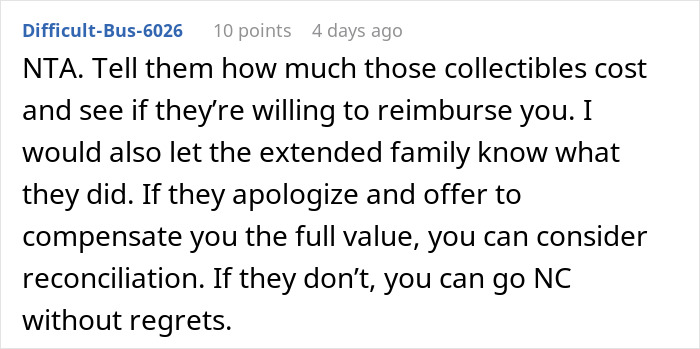
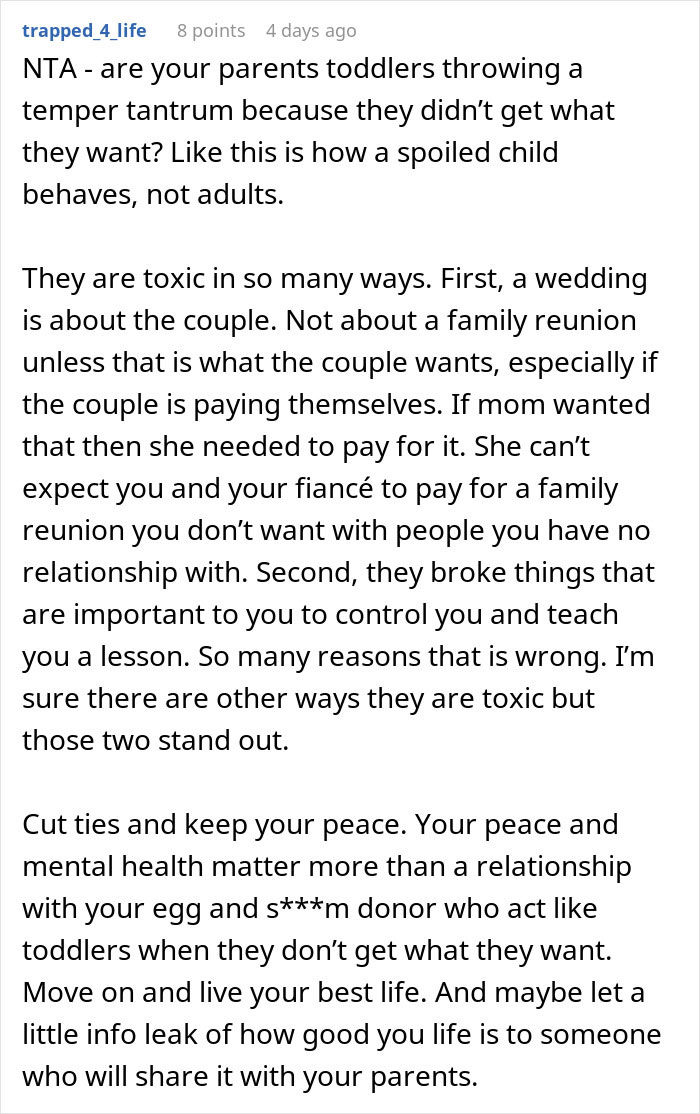
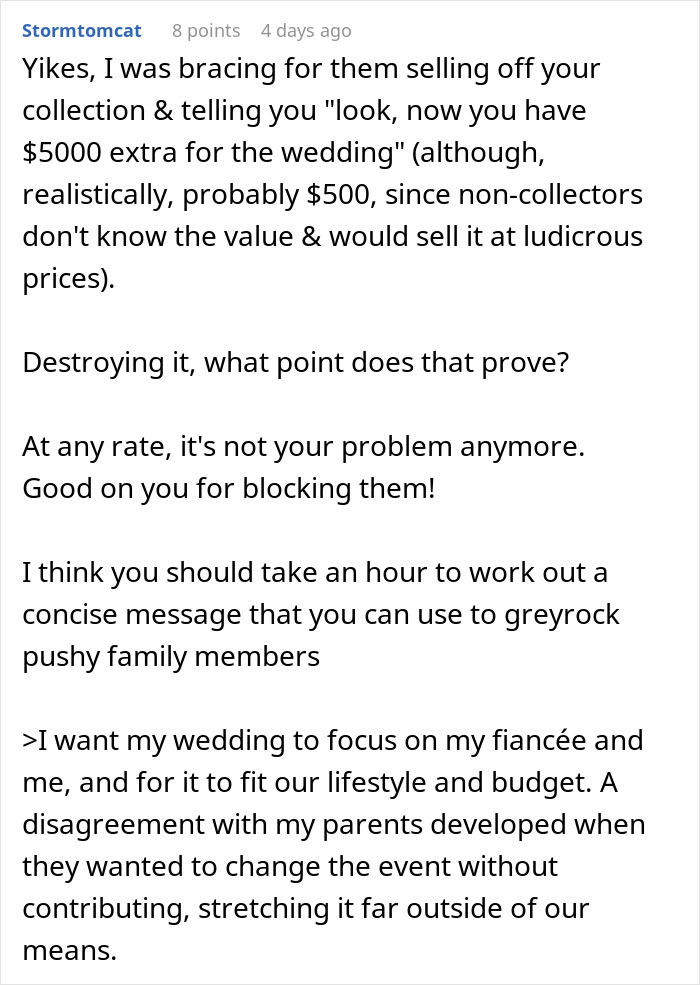
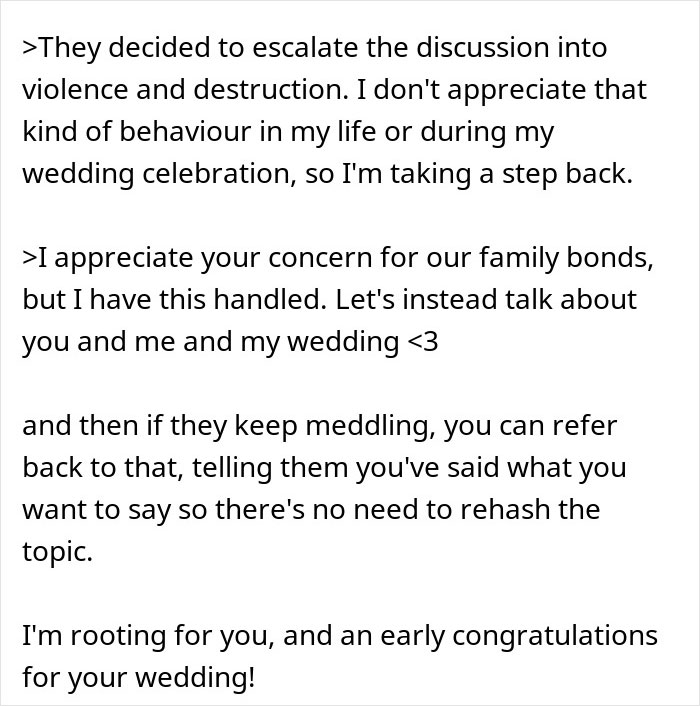
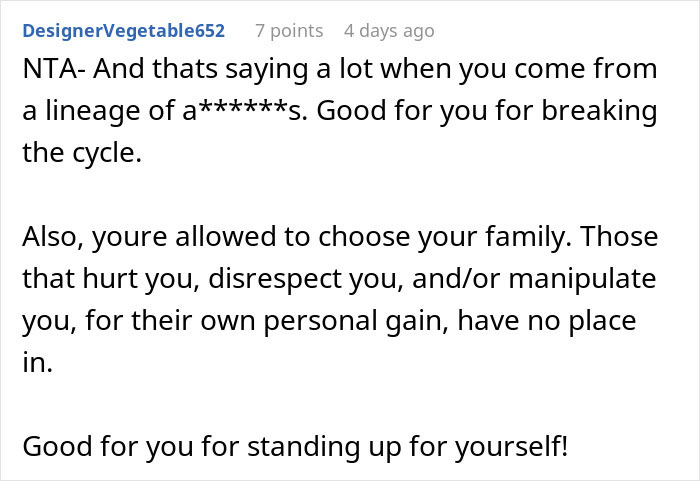
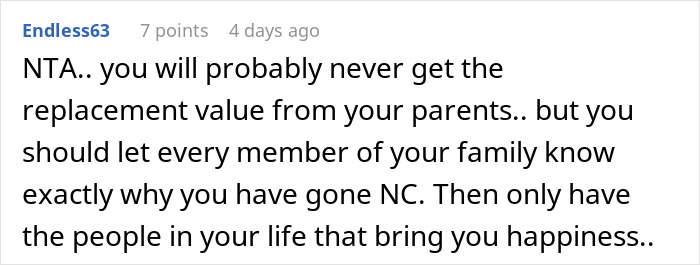
People who read the story agree that the parents were out of line