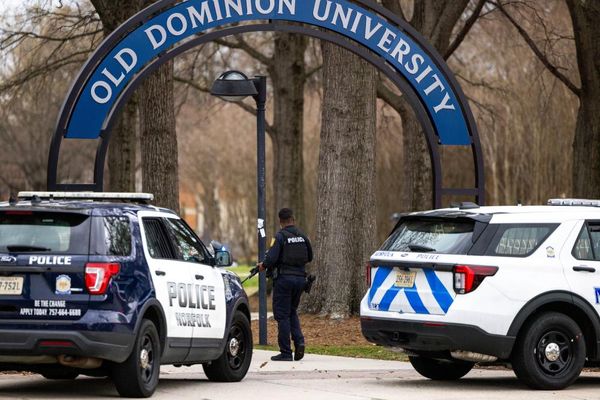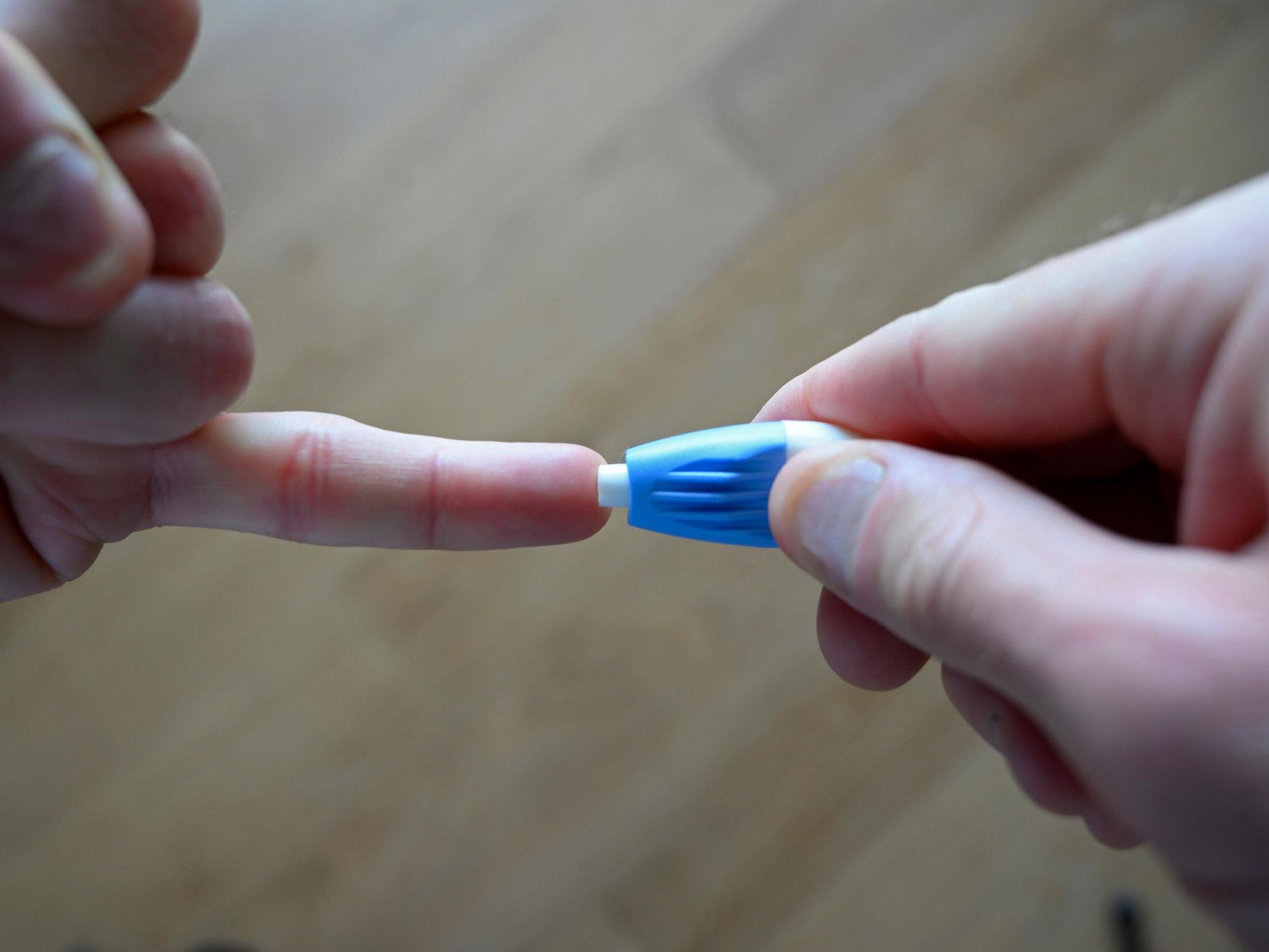
A man has been arrested for allegedly selling more than 500 fake coronavirus testing kits online, the National Crime Agency (NCA) has said.
The 38-year old from Birmingham, who was detained on Tuesday under the Fraud Act 2006, is thought to have supplied the kits to people in the UK and the US.
He reportedly sold some of the suspected fake tests on the dark web.
NCA officers found what they believe to be cocaine and heroin at the man's home, and business cards which they are now examining.
A 36-year-old is also being sought in connection with the fraud.
Matt Horne, deputy director of investigations at the NCA, said: “Anyone thinking of trying to profit from the public’s fears about the pandemic should take note of this arrest.”
Mr Horne added: “We are investigating a number of reports on the sale of counterfeit products relating to Covid-19, and will continue to work with partners to protect the public.”
The National Economic Crime Centre has asked members of the public to “be even more cautious than usual” with online shopping.
Andy Morling, head of enforcement at the Medicines and Healthcare Products Regulatory Agency, said that no Covid-19 antibody self-testing kits are available for home use in the UK.
“Always make sure you are buying your medicines from a registered pharmacy or website and your medical devices from reputable retailers,” he added.
A large number of fake sites have emerged since the start of the coronavirus outbreak, which seek to capitalise on the fear around the virus.
Last month, the UK’s National Cyber Security Centre (NCSC), said it had taken down 307 fake sites after being alerted to them by the public via the Suspicious Email Reporting Service, launched in April.
Ciaran Martin, chief executive of the NCSC, said: "This really is a phenomenal response from the British public.”
Mr Martin added that the number of sites removed in such a short timeframe shows that the public can play “a vital role” in fighting cyber criminals.