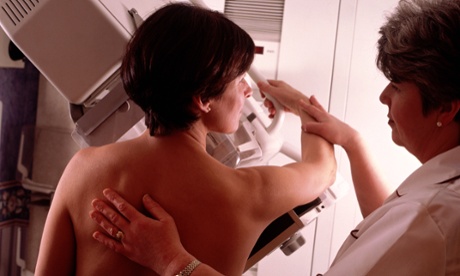
Australian women might be less likely to undergo breast cancer screening if they knew it carried a risk of them being diagnosed and treated for harmless disease, new research has found.
Although mammography screening can reduce a woman’s risk of dying from breast cancer, it also detects cancers that would never have presented clinically, or caused a woman harm, during her lifetime, the research led by the University of Sydney said.
Receiving treatments for these benign cancers could harm women physically and emotionally, an author of the research and public health professor, Kirsten McCaffery, said, with radiotherapy increasing risk of heart disease and the diagnosis causing psychological distress.
“If you have a potentially lethal cancer, the harms of treatment are worth it,” McCaffery said.
“But if it’s a cancer that will never cause harm, you’re taking unnecessary risks. We know that for every one woman diagnosed with breast cancer, three will be overdiagnosed and overtreated, whether through surgery, radiation or hormone replacement therapy. Women ought to be given the opportunity to make an informed choice.”
Researchers identified 817 women in NSW aged between 48 and 50 who were due to receive information from BreastScreen Australia to prepare them for their first mammogram, and who did not have a family history of breast cancer.
Of those, 409 women received a resource from the researchers with information about the outcomes of breast cancer screening over the past two decades compared with no screening, breast cancer reduction, overdetection, and false positives.
The remaining 408 women received the same resource, but with all references to overdetection removed.
Researchers found 74% of women who received the information about overdetection said they intended to get a breast cancer screen, compared with 87% of the women who were not informed about overdetection.
“Our resources were designed to support women to make informed choices, not push them towards or away from screening,” the study, published in the prestigious international medical journal the Lancet on Wednesday, said.
“Our results underscore the importance of striving to meet the ethical responsibility to adequately inform women and help them make screening decisions according to their informed preferences.”
Those women who received the most information were also less worried about breast cancer, the study found.
“In this day and age women deserve to receive full health information about any intervention that affects them,” McCaffery said.
But Breast Cancer Network Australia’s policy manager, Kathy Wells, said the benefits of breast screening “far outweighed” the negatives.
The research did not change her opinion that all women should receive regular mammograms. BreastScreen Australia recommends women aged between 50 and 74 be screened every two years.
“We agree that Australians should be provided with all the necessary information to allow them to make informed decisions regarding their health, including breast screening,” Wells said.
“While screening may result in some small breast cancers which may not ever cause harm being detected, [in other words] overdiagnosis, our concern is that doctors cannot always predict which of these will spread and become harmful, and which will not.
“A decision about the best management of a small cancer, or pre-cancer, is best made at the time of diagnosis.”