Climate change has made growing vegetables in Mali today much tougher than it was 40 years ago when Amadou Sidibe used to visit his father's lush farm outside the capital Bamako.
Hotter temperatures and drought are adding to an already volatile situation in Mali where jihadist groups roam the northern desert reaches. Water reserves are precariously low and arable land is shrinking, causing tensions between communities seeking their share of dwindling resources.
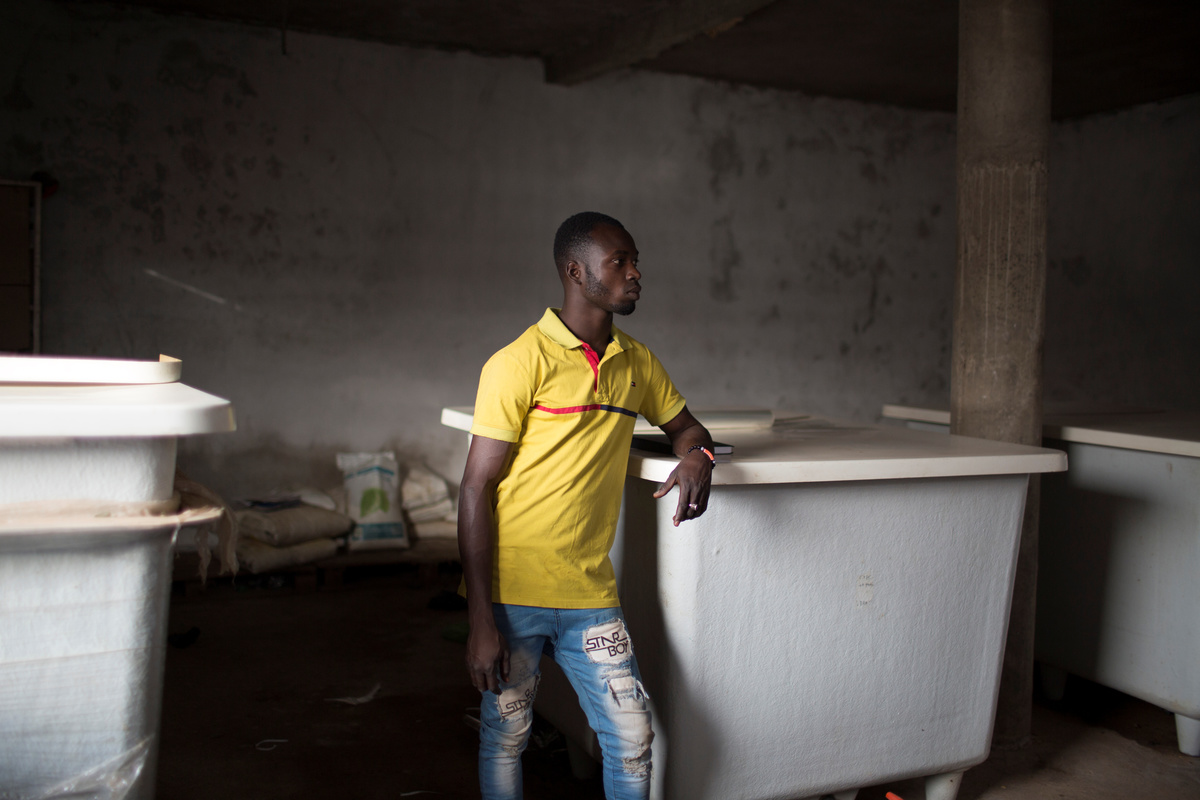
"If nothing is done against climate change, Africa won't be able to feed her children and that means war," said Sidibe, an architect turned agricultural developer in southern Mali.
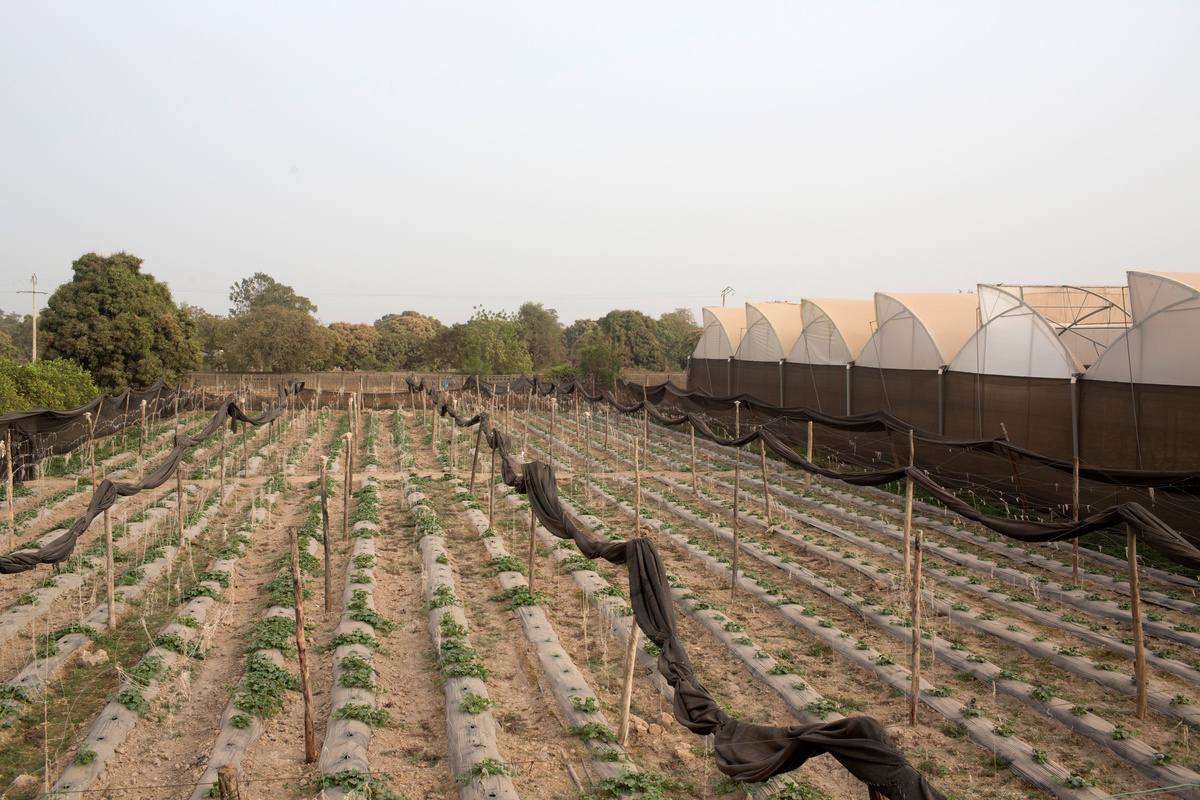
Inspired by his family's gardening history, and by technology he had come across during business trips in Israel, Sidibe in 2011 began developing Mali's first automated greenhouse - a hectare-wide metal and plastic structure that looms over the low surrounding scrub, the only vegetation that grows reliably under Mali's blistering sun.
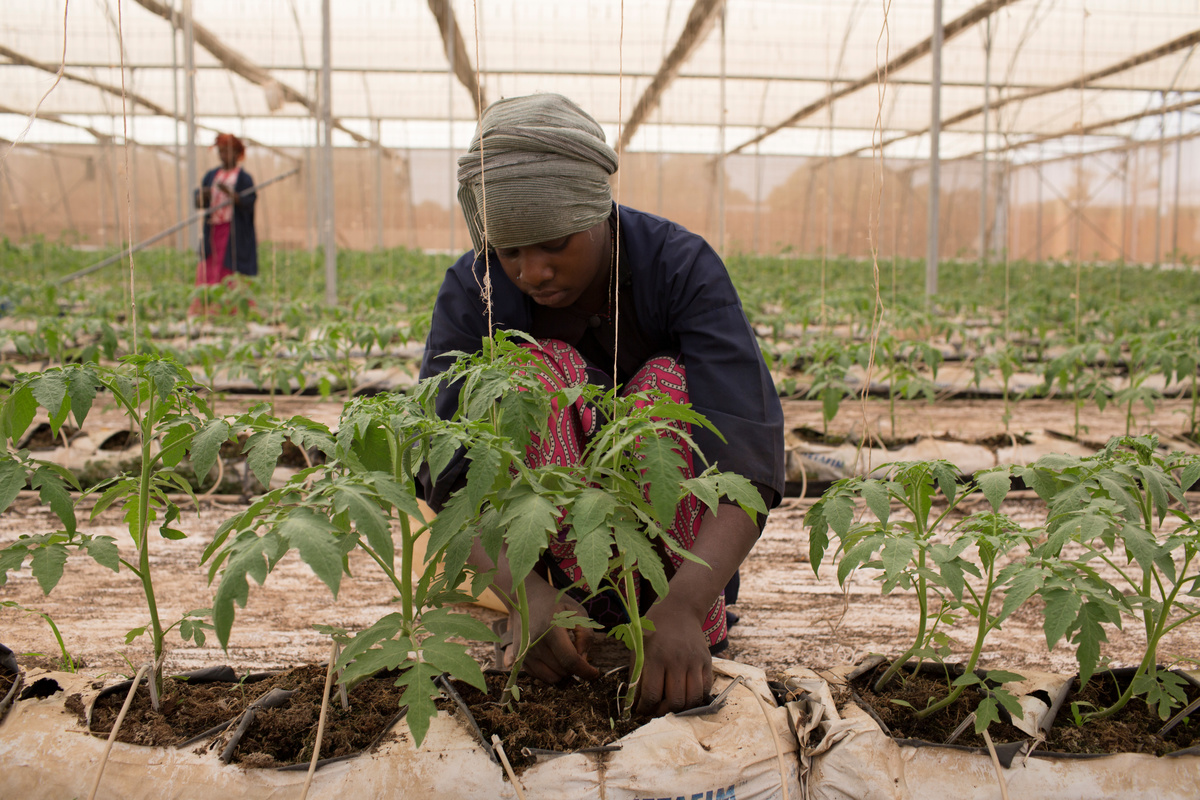
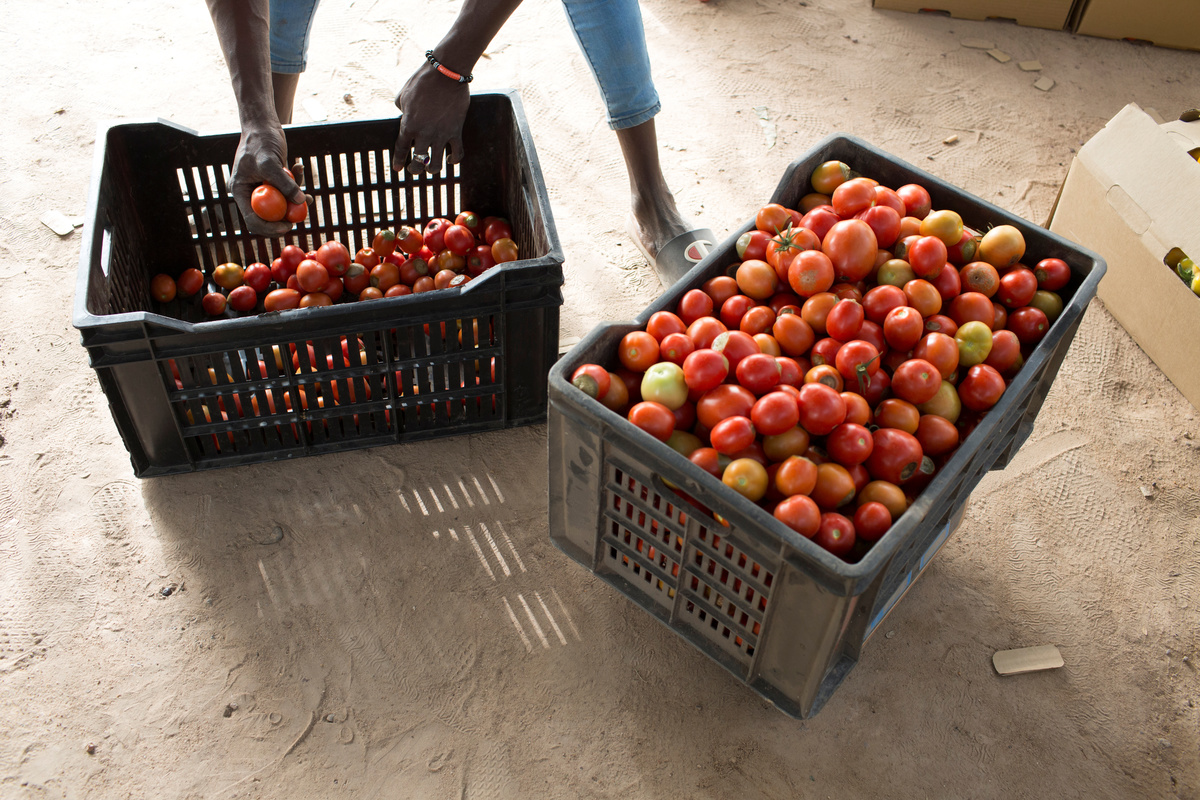
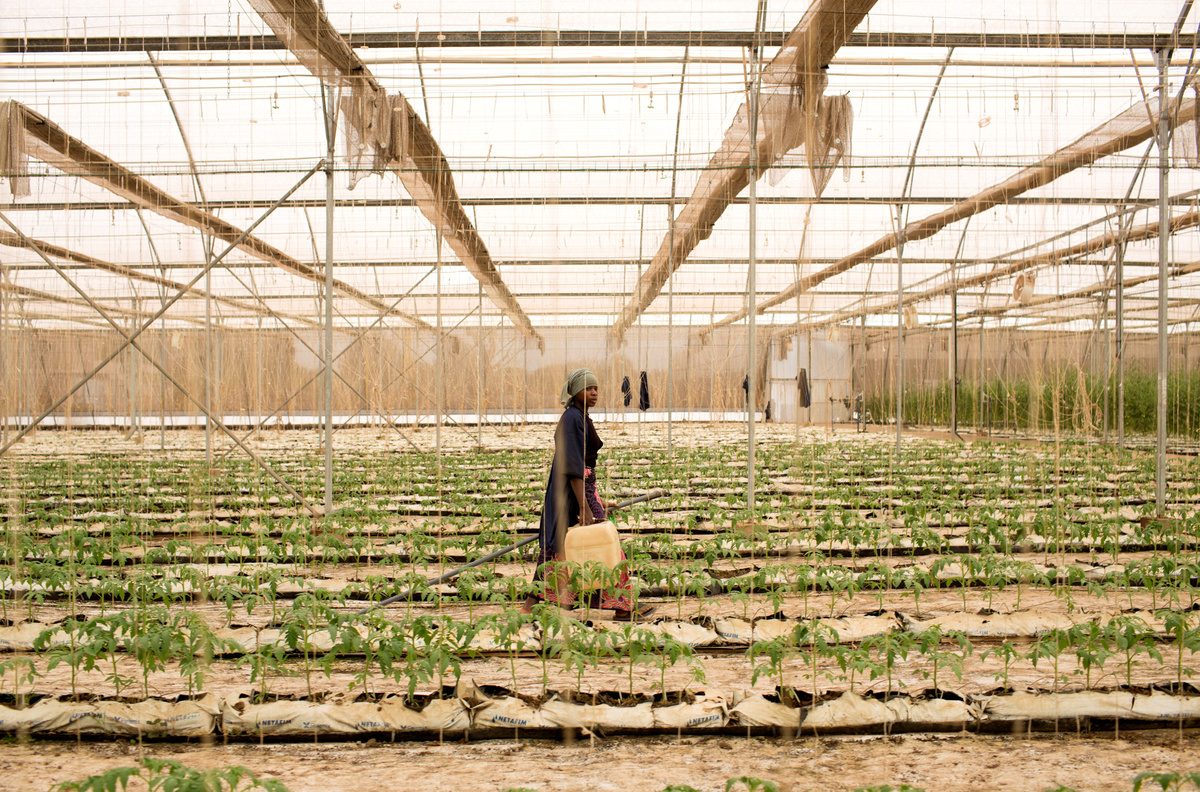
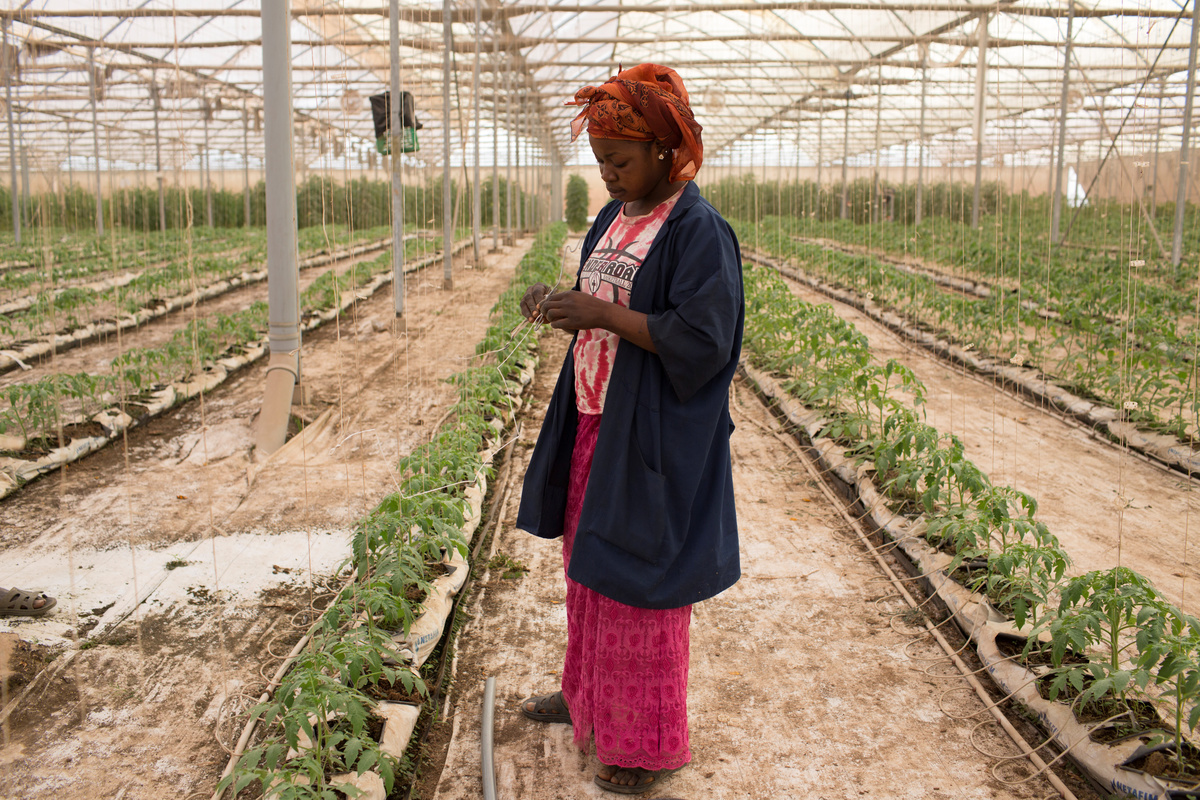
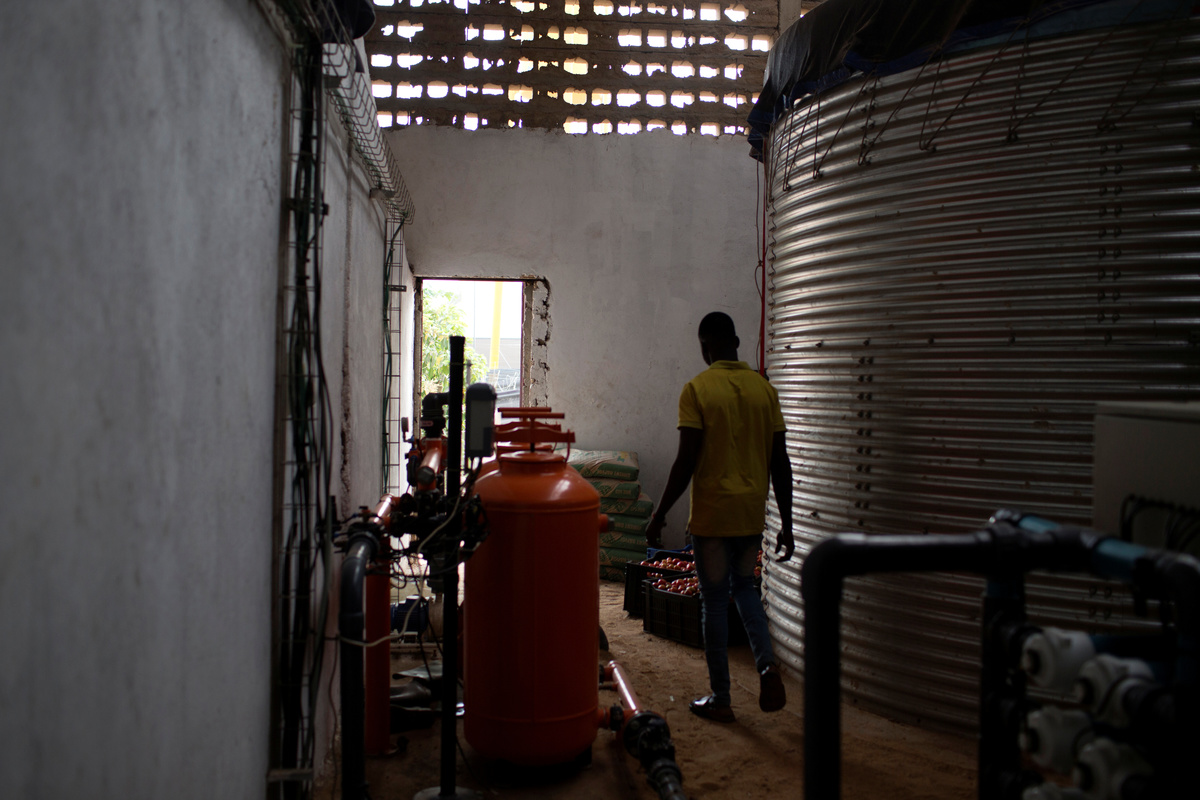
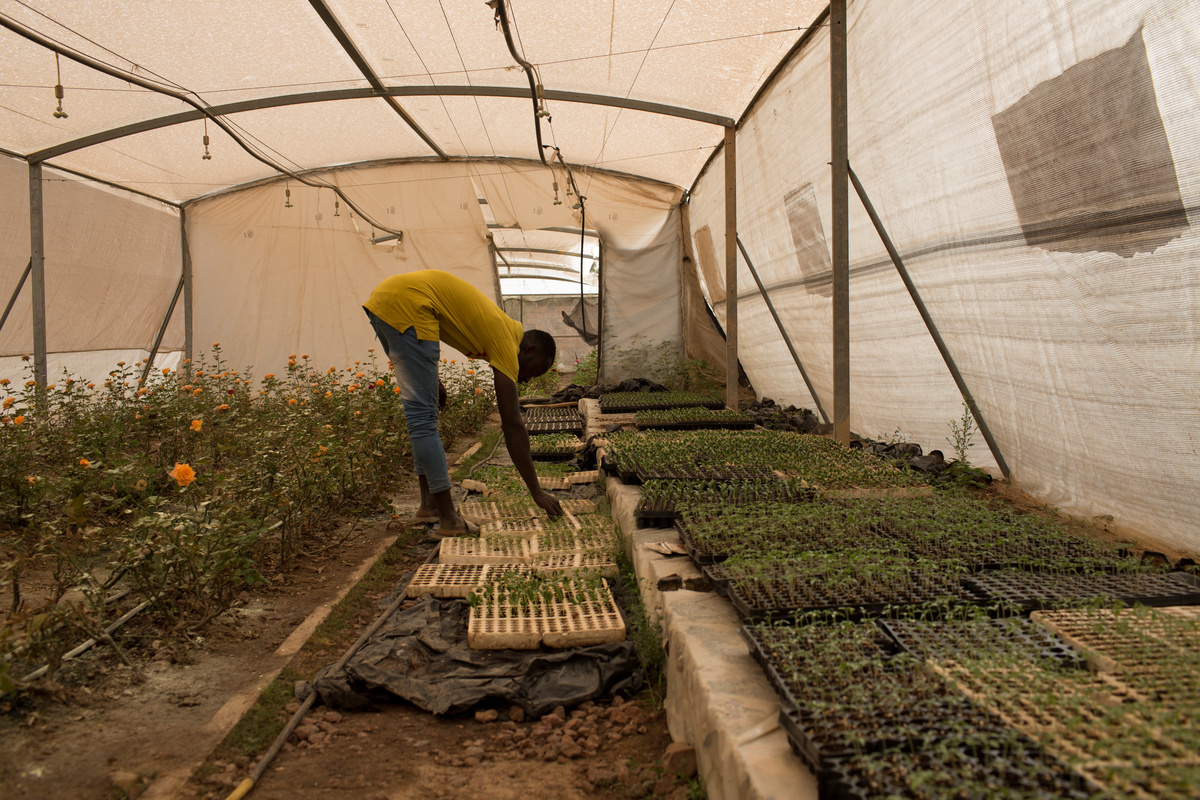
Inside Sidibe's greenhouse, fed by a computer-controlled watering system designed by an Israeli company, are hundreds of rows of bushy tomato plants trained on string, their branches thick with unripe fruit.

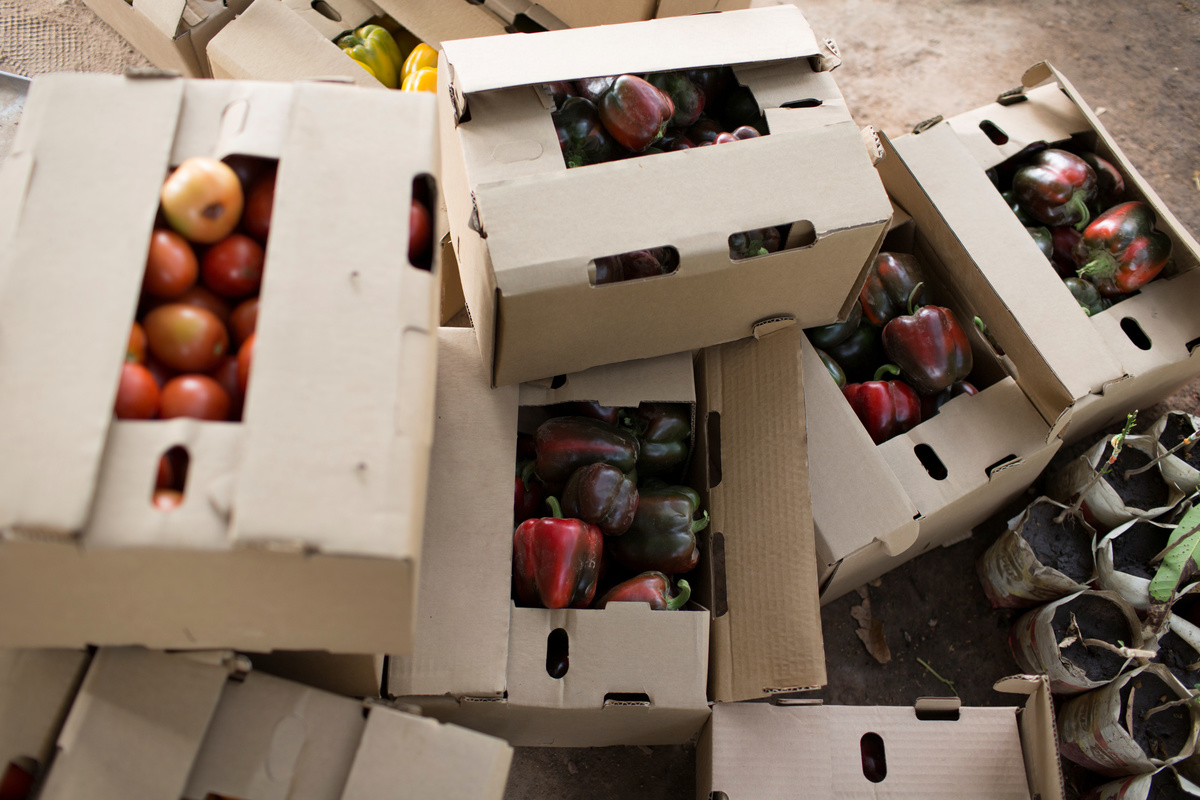
Each plant gets a designated amount of water and fertilizer, and troublesome insects are kept out by netting that covers the whole greenhouse. Its ribbed roof helps limit the amount of sunlight and heat that penetrates the space. Strawberries grow year round, as do peppers and melons.
It is a sight that occurs naturally less and less across the Sahel, the band of arid land that runs west to east at the Sahara Desert's southern edge. Temperature increases here are some of the worst in the world and the impact is seen by experts as one of the major root causes of displacement, poverty and violence.
"In the time of our grand fathers it used to rain and the cycles were regular," said Sidibe. "We no longer control the water. And if we no longer control water, we don't control agriculture."
He employs over 30 people in his greenhouse, up from eight when he started out nearly a decade ago. The employees are inspired by the progress.
"Yes of course I want to do the same thing for myself," said Haby Thera as she tied rows of tomato saplings to some string inside the greenhouse.
"If I had the means I would not hesitate to get involved in greenhouse agriculture. It's fantastic and you never lose anything."
Sidibe plans to expand his business inside Mali to 10 hectares and across the whole Sahel. He has clients in Niger, Chad, Cameroon and France and has already sold two greenhouses to businesses in Mali.
(Additonal reporting by Yvonne Bell in Dakar; Writing By Edward McAllister; Editing by Alexandra Hudson)