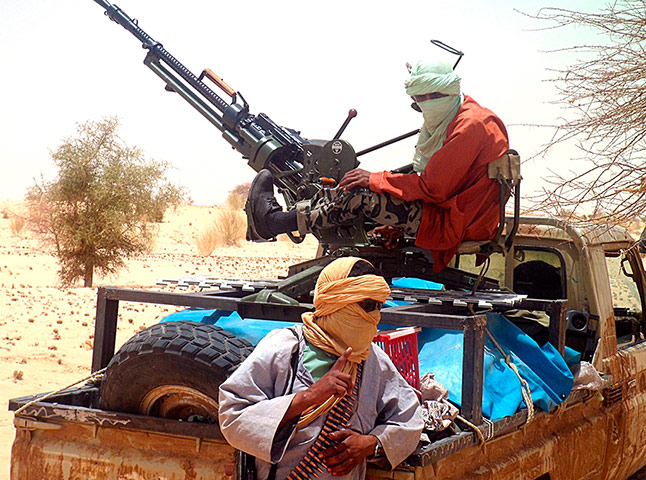
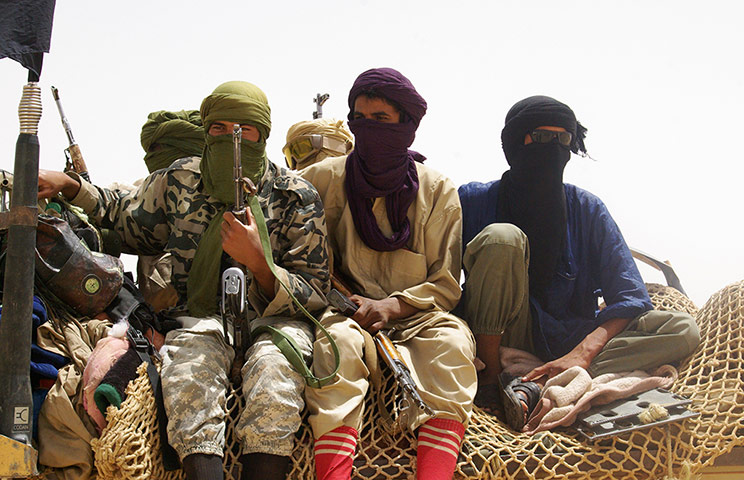
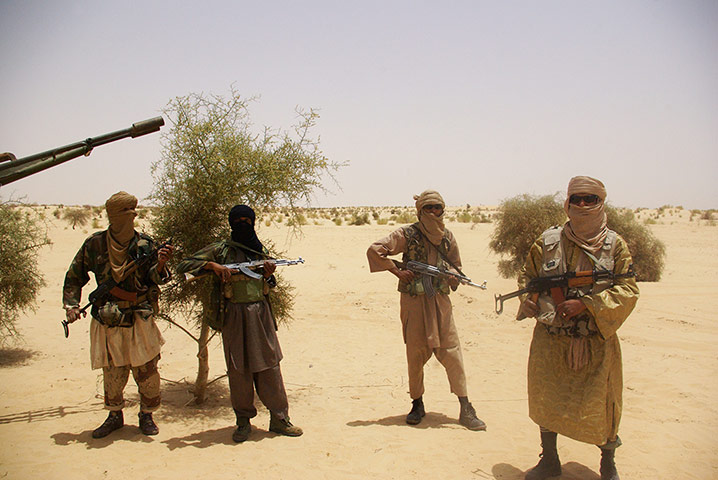
Islamist rebels pictured near Timbuktu, in rebel-held northern Mali. In April rebels from the National Movement for the Liberation of Azawad (MNLA) declared Azawad as an independent statePhotograph: Romaric Ollo Hien/AFP/Getty ImagesFighters from Islamist group Ansar Dine. Two main groups now appear to be competing to govern northern Mali: Ansar Dine, which wants to see sharia law brought to Mali, and the National Movement for the Liberation of Azawad, who have already declared an independent statePhotograph: APFighters from Ansar Dine stand guard during the handover of a Swiss hostage who was about to be taken by helicopter to neighbouring Burkina FasoPhotograph: AP
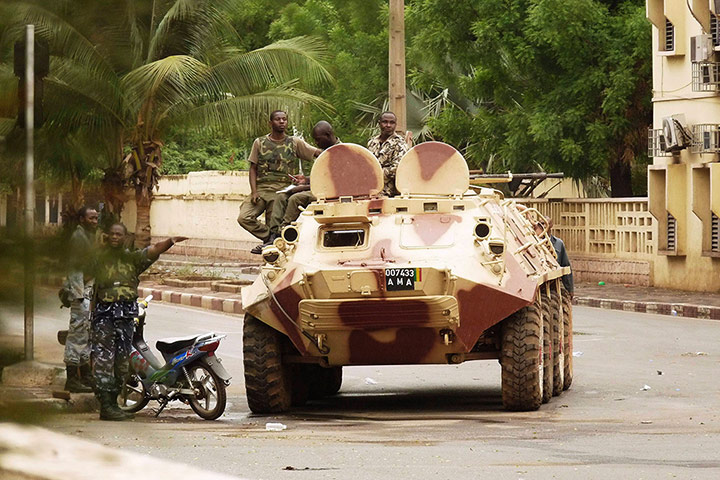
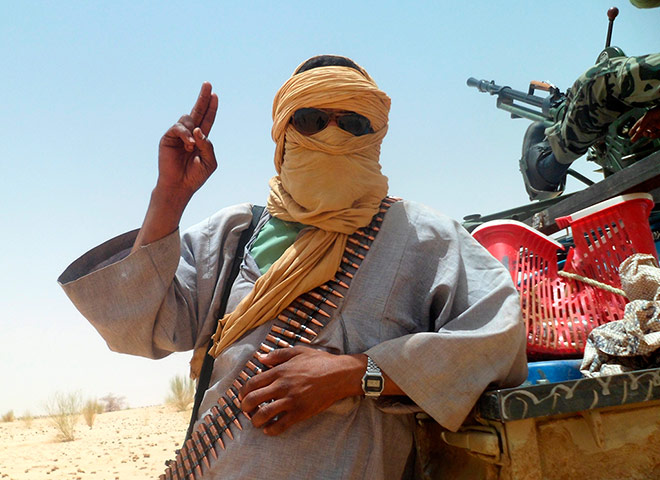
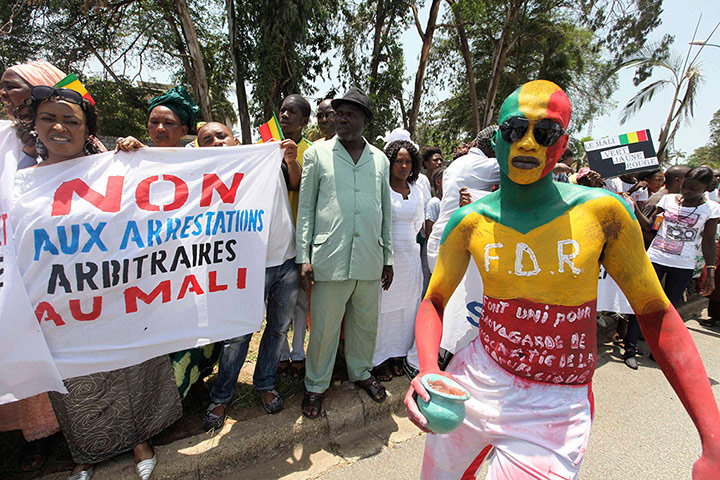
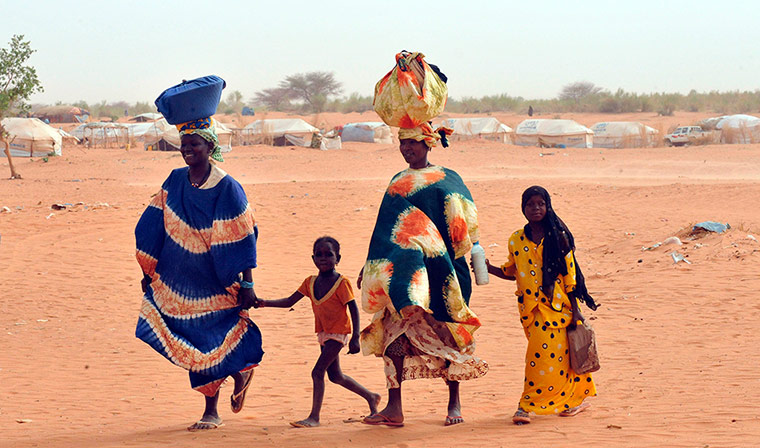
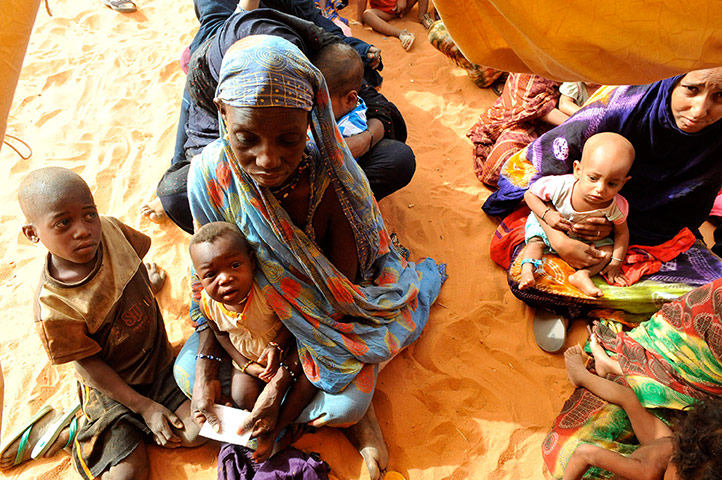
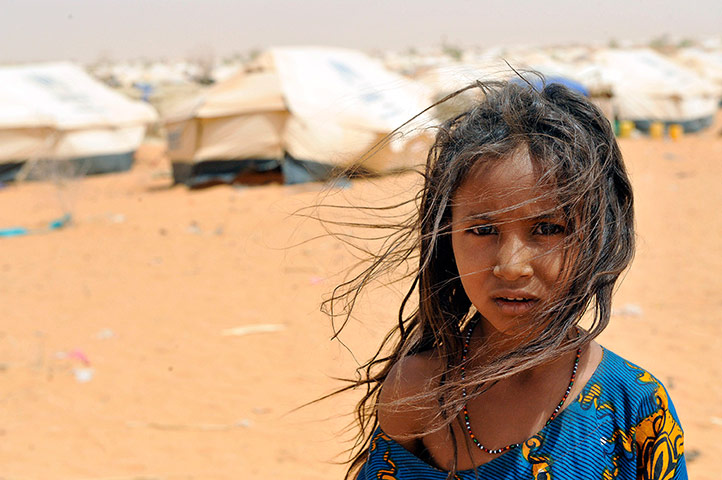
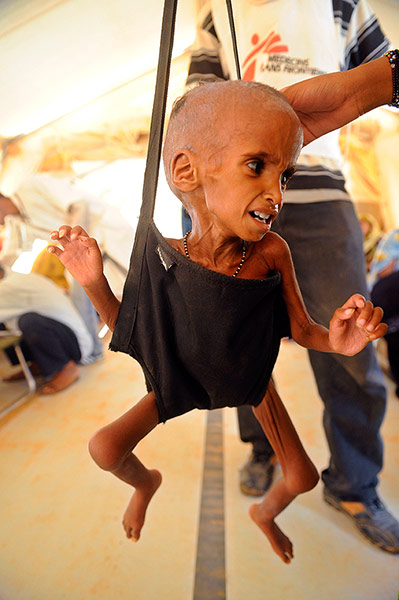
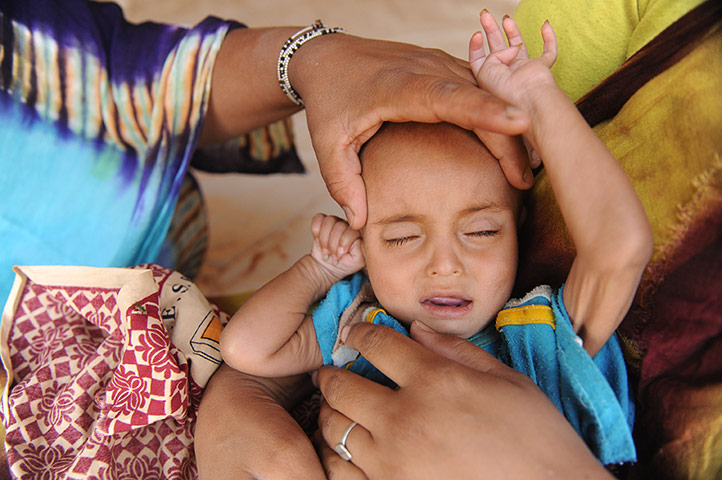
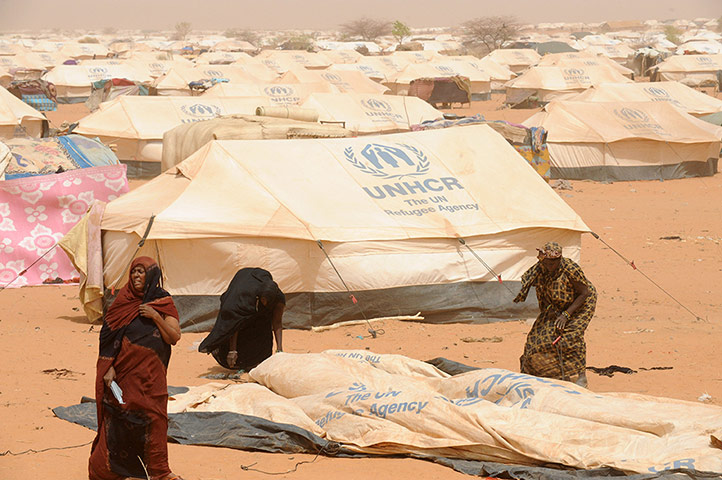
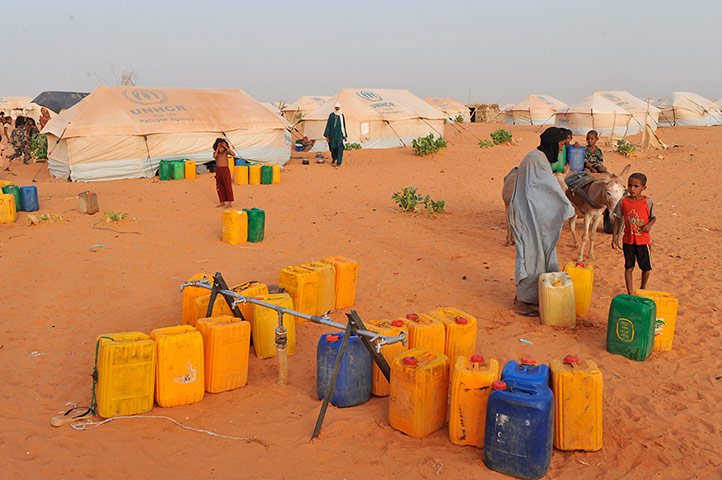
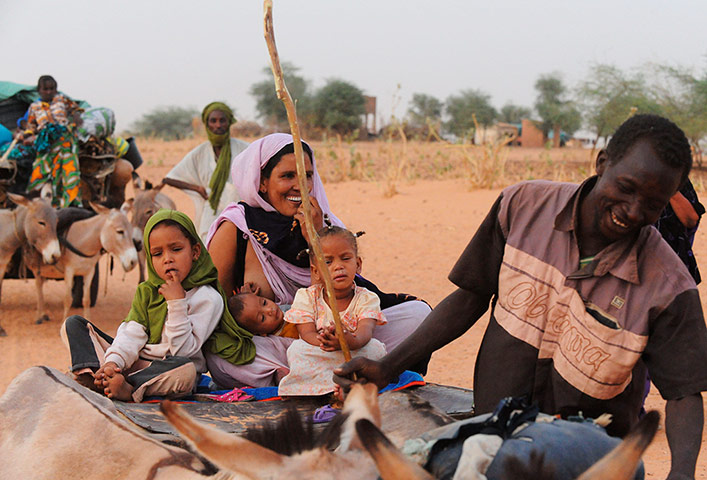
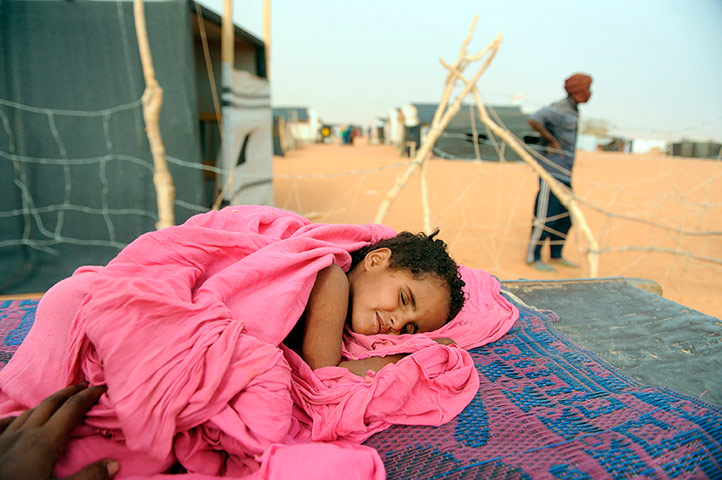
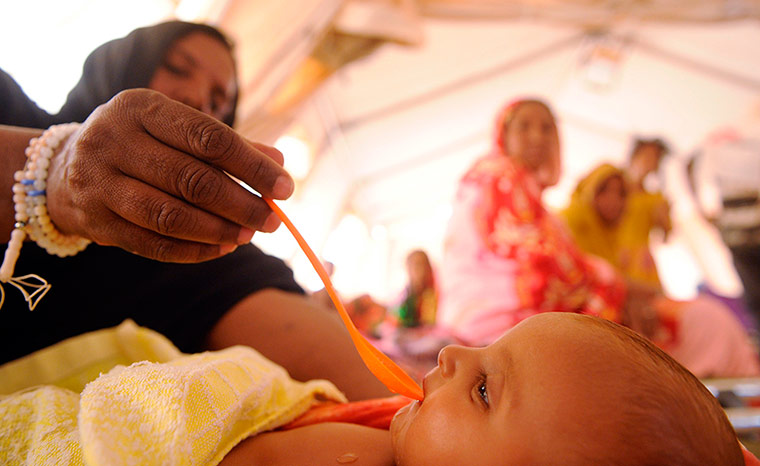
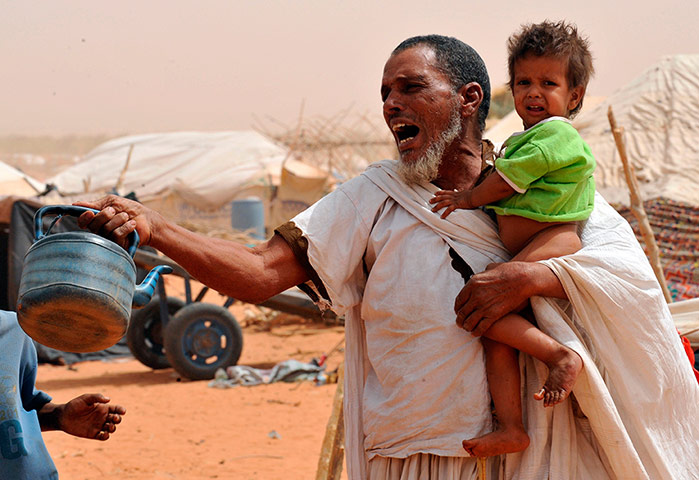
Malian troops who carried out a coup in March guard a street after renewed fighting in the capital, Bamako. Forces battled troops loyal to ousted president, Amadou Toumani Touré Photograph: ReutersA fighter from the Ansar Dine group makes a gesturePhotograph: Ahmed Ouoba/AFP/Getty ImagesMalian citizens protest as leaders attend the Economic Community of West African States meeting in Abidjan, Ivory Coast, at which the Mali crisis and Guinea-Bissau coup were discussedPhotograph: Luc Gnago/ReutersMalian refugees at the M'bere refugee camp, near Bassiknou in southern Mauritania, 37 miles from the border with Mali. Conflict between Tuareg rebels and Mali authorities has been ongoing since January sparking a growing humanitarian crisis Photograph: Abdelhak Senna/AFP/Getty ImagesA Malian refugee holds her baby in the M'bere refugee camp near Bassiknou. More than 320,000 people have fled their homes in Mali since mid-January, with more than half seeking refuge in neighbouring countriesPhotograph: Abdelhak Senna/AFP/Getty ImagesA young girl in the M'bere refugee camp. Humanitarian assistance is all the more critical because the Sahel region is facing a severe food crisis after several years of droughtPhotograph: Abdelhak Senna/AFP/Getty ImagesA malnurished Malian child is weighed at the Médecins Sans Frontières medical centre in the M'bere refugee camp Photograph: Abdelhak Senna/AFP/Getty ImagesA Malian child and his parents wait to be treated at M'bere refugee campPhotograph: Abdelhak Senna/AFP/Getty ImagesMalian refugees set up a tent in the M'bere refugee camp, which receives an average of 1,000 refugees a dayPhotograph: Abdelhak Senna/AFP/Getty ImagesRefugees stand at a water distribution point in the campPhotograph: Abdelhak Senna/AFP/Getty ImagesIbrahim Boubakr, a Malian refugee, arrives with family members at the M'bere campPhotograph: Abdelhak Senna/AFP/Getty ImagesA sick child lays on a cart as she waits to be treated. Médecins Sans Frontières is bolstering its activities and emergency medical aid in the desert area, where access to medical care is extremely limitedPhotograph: ABDELHAK SENNA/AFP/Getty ImagesA woman tends to a malnurished child at the Medecins sans Frontires medical centre. Refugees are primarily Tuareg families from the Timbuktu region. They arrive here exhausted after a two-day journey by truckPhotograph: Abdelhak Senna/AFP/Getty ImagesA Malian refugee shouts for water at a distribution point in the M'bere refugee camp. A great number of people are suffering from respiratory infections and diarrhea owing to a lack of access to water, exposure to extreme temperatures, and frequent sand storms, according to MSF's medical co-ordinator Jean-Paul JemmyPhotograph: Abdelhak Senna/AFP/Getty Images
Sign up to read this article
Read news from 100’s of titles, curated specifically for you.