Insurgent suspects killed a Malaysian national in a gun attack on a security checkpoint in Narathiwat's Tak Bai district, and almost killed a senior police officer during his inspection of the crime scene in a subsequent bomb attack on Sunday.
Investigators believe the explosion targeted Tak Bai police chief Phacharaphon Na Nakhon, who led officers to Ban Taba checkpoint late on Sunday night. The officers narrowly escaped the bombing, but their car was damaged and they had to postpone the inspection until yesterday morning for fear of more attacks.
Police suspect the attacks were carried out by a militant group headed by Famee Mudo, which has been active in the Tak Bai area, Pol Col Phacharaphon said.
They based their assumption on a similar attack on the Ban Taba checkpoint on Oct 21 five years ago in which Mr Famee was also a suspect.
Investigators are hunting for Mr Famee's group, but its leader is thought to have fled to Malaysia, Pol Col Phacharaphon said as he led officers, including experts from an explosive ordinance disposal unit, to Ban Taba checkpoint yesterday.
According to an initial investigation, the dead Malaysian man, identified as Wan Muhammad Zen Ben Wanhusen, had travelled from Kelantan state to visit his relatives in southern Thailand. He was hit by a bullet and killed while opening his motorcycle's underseat storage for a check by security officers.
Several bullets were fired by suspects on a pickup truck who drove by the checkpoint on Sunday night, police said.
The body of the 30-year-old victim was later sent to Naradhiwas Rajanagarindra Hospital for a post-mortem check.
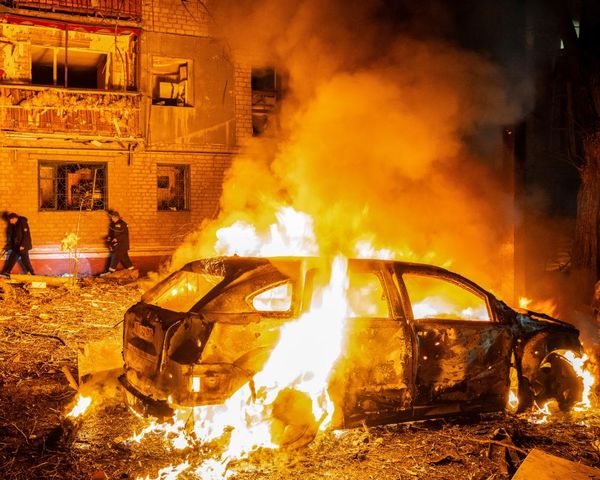
The officers also inspected a spot where the bomb was detonated in the vicinity of Pol Col Phacharaphon's team.
The bomb, planted near a patrol station, was believed to be an improvised device put in a cooking gas container weighing 25kg, according to bomb technicians.
Authorities believe the attacks were linked to the approaching 13th anniversary of the Tak Bai tragedy on Oct 25, when 85 Muslim men died after being arrested and stacked on top of each other in the back of army trucks.