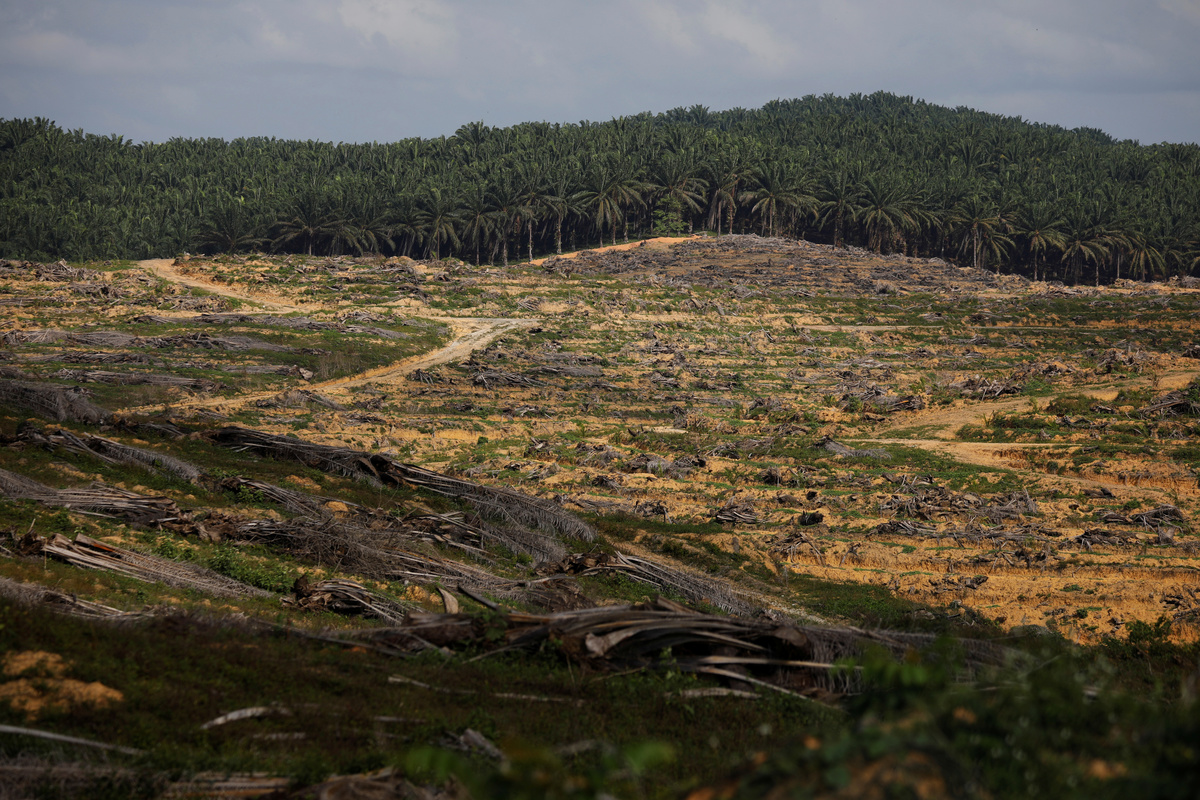
KUALA LUMPUR (Reuters) - Malaysian Prime Minister Mahathir Mohamad on Friday said linking the production of palm oil to deforestation was "baseless, unfair and unjustified", and that the industry has grown responsibly.
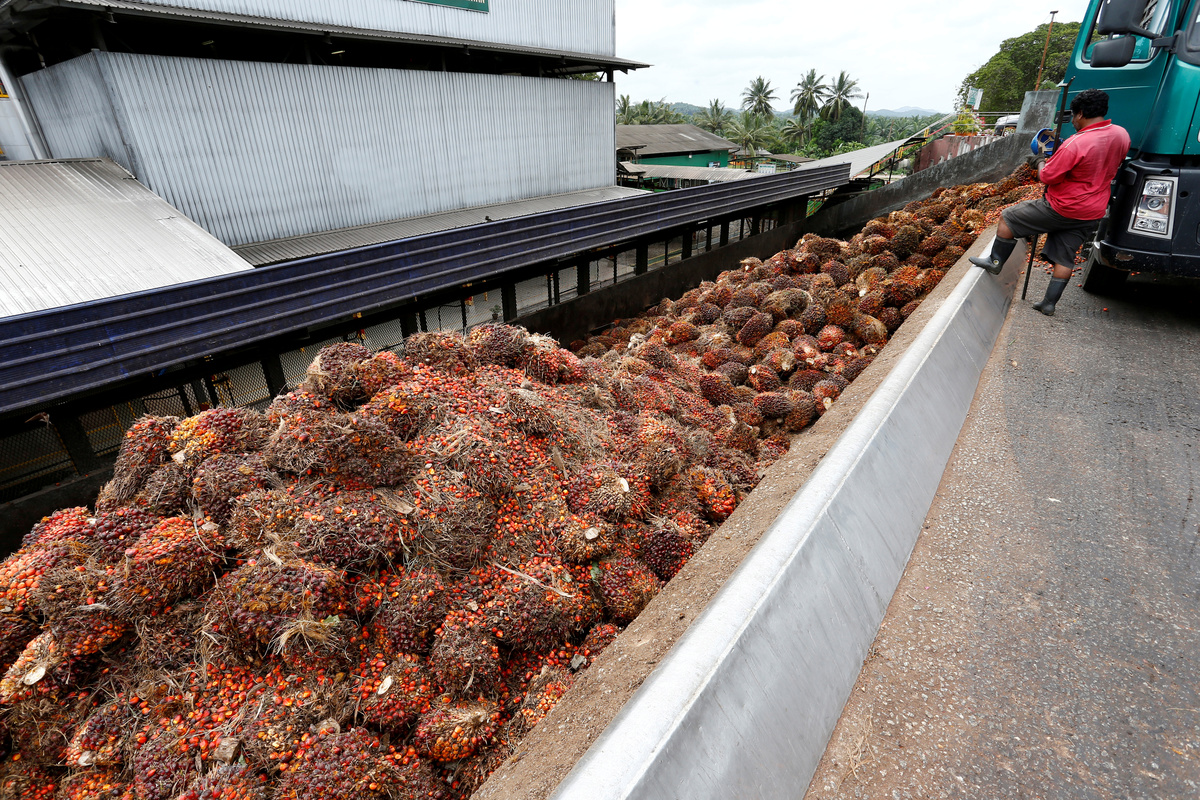
Malaysia is the world's second-biggest producer of palm oil, a widely consumed commodity used in everything from chocolate spread to lipstick. Several studies have shown that palm oil is a major contributor to deforestation, along with cattle ranching and soybean production.
The European Union passed a law earlier this year to phase out palm oil from renewable fuels by 2030 due to deforestation concerns.
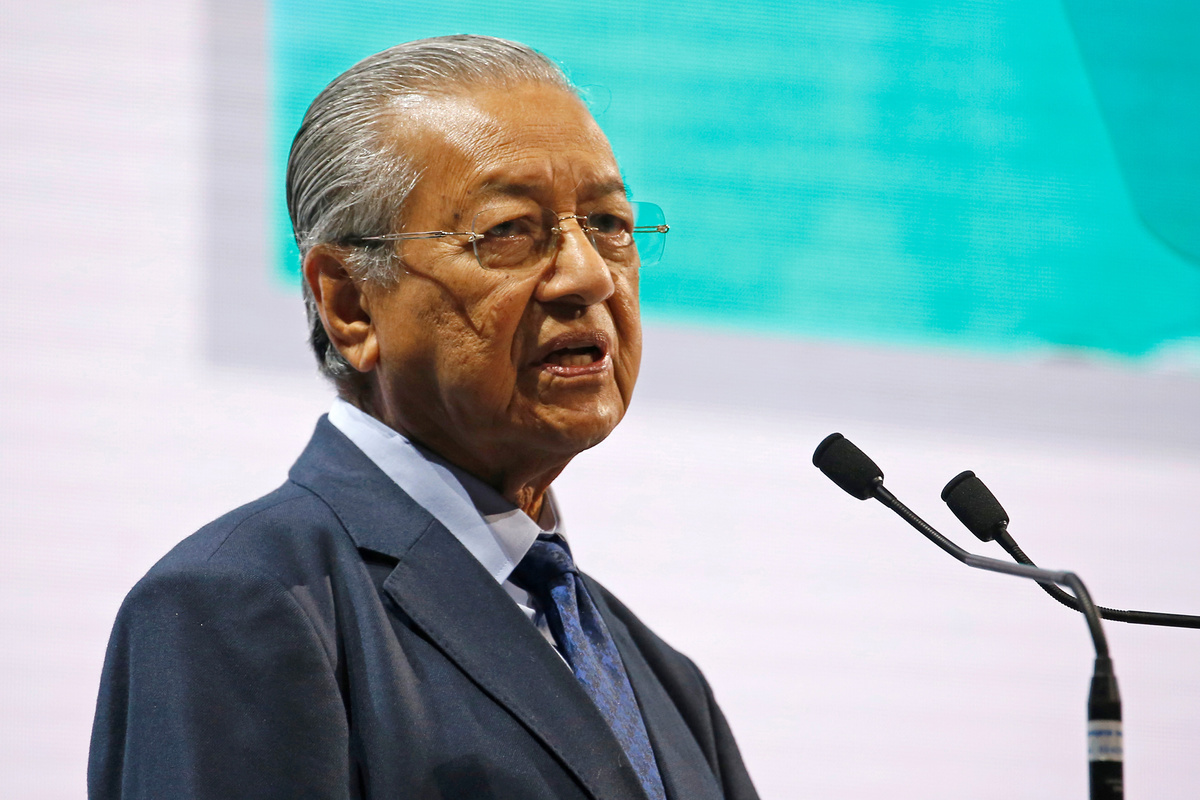
"The claims linking palm oil to deforestation is baseless, unfair and unjustified," Mahathir said at an event on Malaysian forests.
"These claims bring negative impact to Malaysia which depends highly on the palm oil industry to raise the socio-economic well-being of our people," he said.
Mahathir also said the palm oil industry in Malaysia has been developed sustainably and responsibly.
The International Union for Conservation of Nature (IUCN), a Switzerland-based group of governments, conservation organizations and scientists, has said oil palm expansion is a major driver of deforestation and degradation of natural habitats in parts of tropical Asia and Central and South America.
At least 50% of all deforestation between 2005 and 2015 in Borneo - an island shared by Malaysia, Indonesia and Brunei - was related to oil palm development, the IUCN has said.
Malaysia and Indonesia, the world's largest palm oil producer, supply around 85% of global palm oil, much of which is used in foods.
Environmentalists and locals have alleged deforestation continues to this day in Borneo and other parts of Malaysia.
Mahathir also said Malaysia was focused on improving productivity and yields of oil palm, rather than expanding land.
He said the government would limit oil palm cultivation at 6.55 million hectares (16.2 million acres) by 2023, reaffirming an earlier target set by the minister in charge of palm oil.
Earlier this week, Reuters reported that Malaysia has launched a global public relations and lobbying effort to protect the reputation of palm oil, especially in Europe.
The campaign is centered around small holder farmers, carried out by platforms that say they represent farmers but are created or run by public relations firms hired by a government agency responsible for promoting palm oil.
(Reporting by A. Ananthalakshmi; editing by Christian Schmollinger)