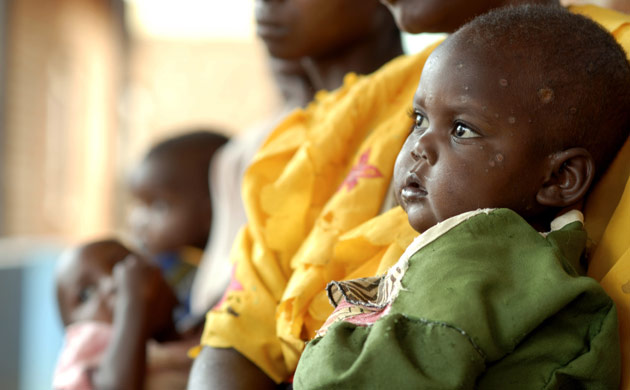
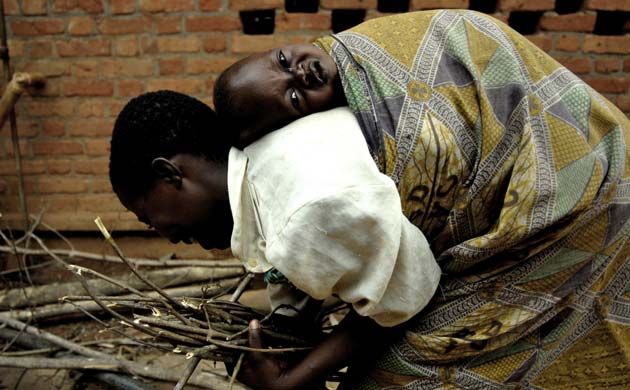
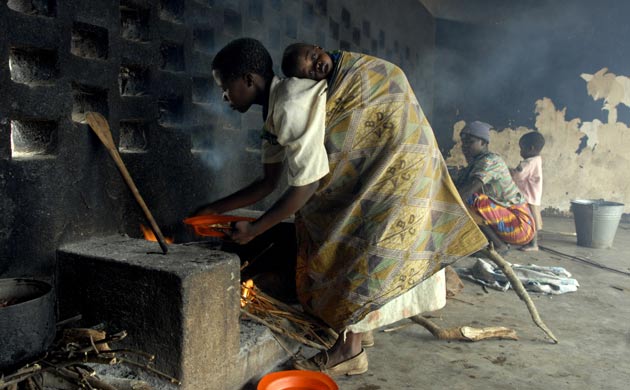
In Malawi, there is often food insecurity which means people, especially children, such as these, waiting with their mothers at a Plan feeding centre are often at risk of hunger and malnutrition.Photograph: Frederic Courbet/PanosA woman carries her child on her back while she picks up firewood for cooking at the centre.Photograph: Frederic Courbet/PanosShe then cooks the food on a traditional wood-burning stove.Photograph: Frederic Courbet/Panos
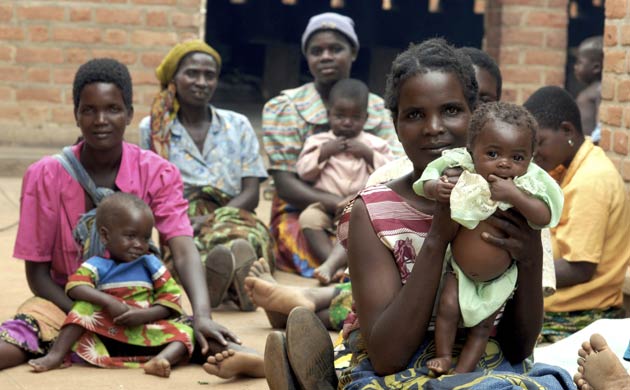
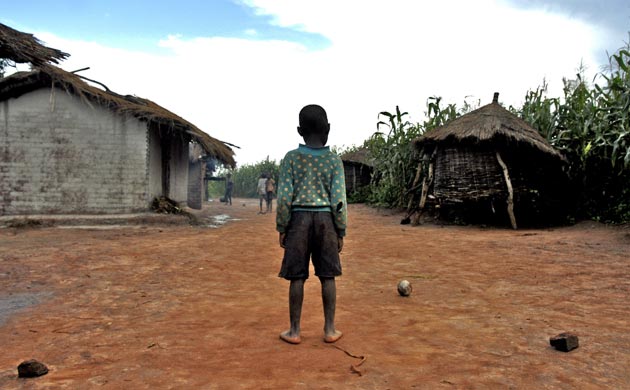
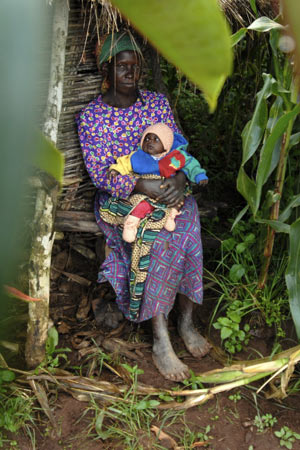
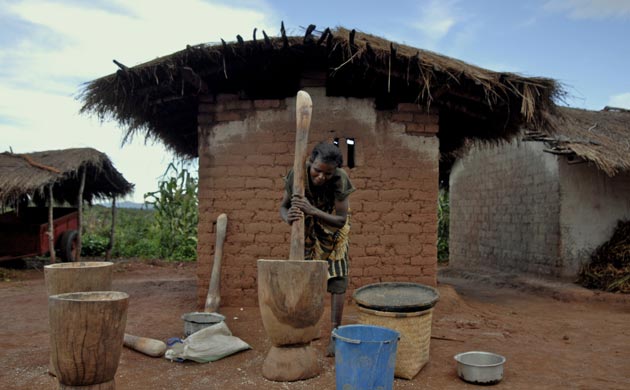
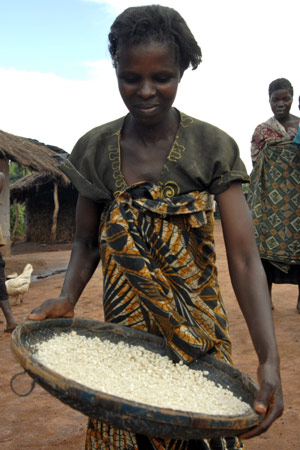
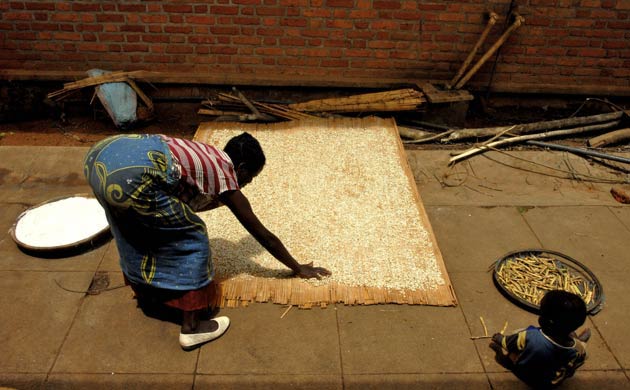
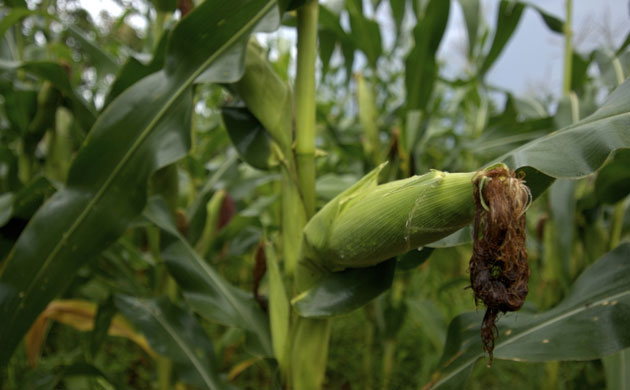
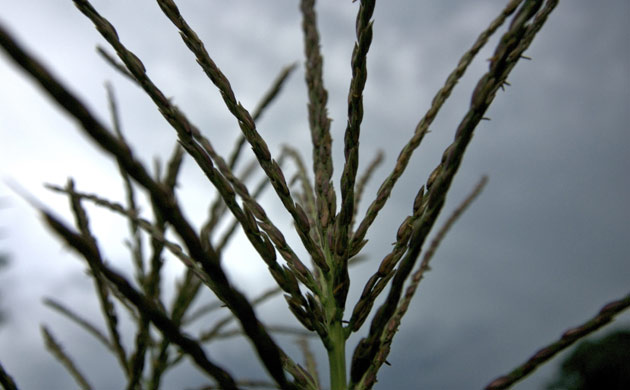
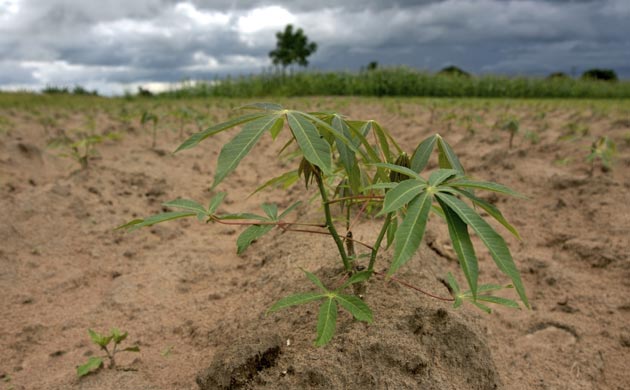
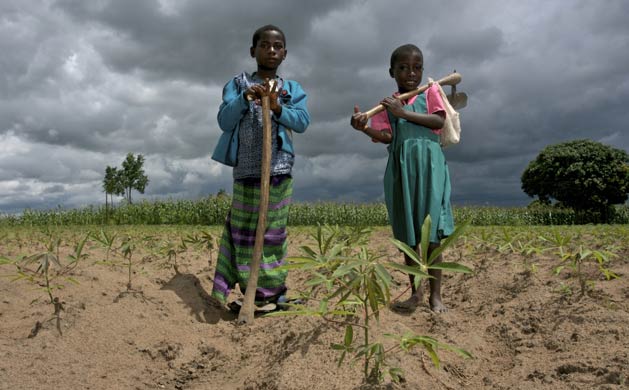
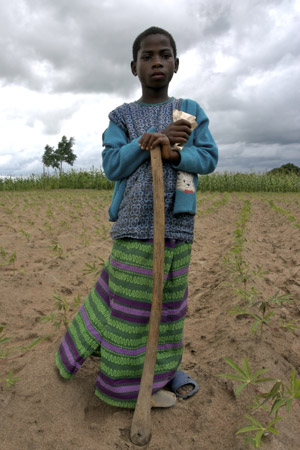
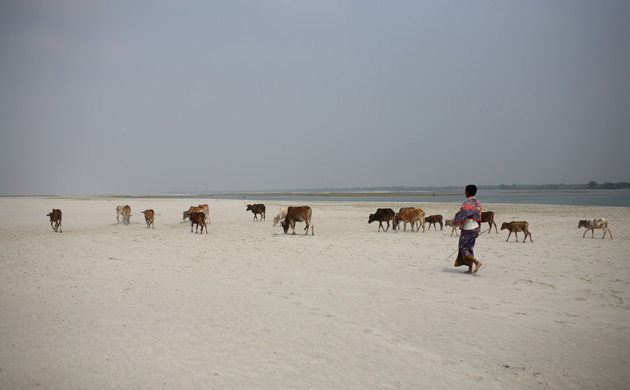
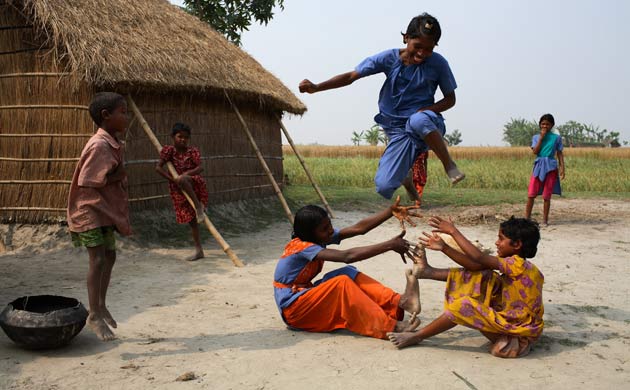
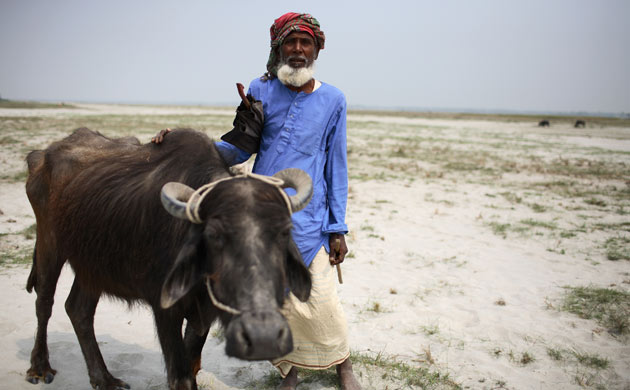
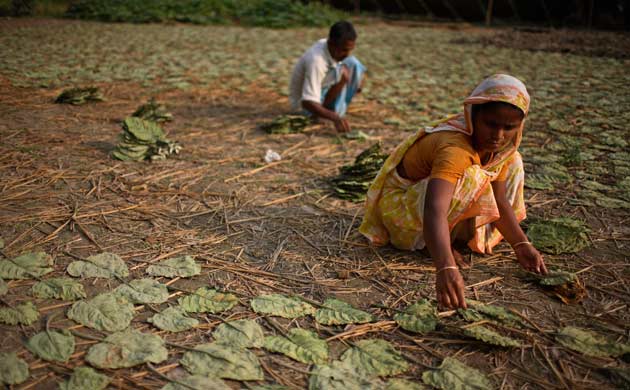
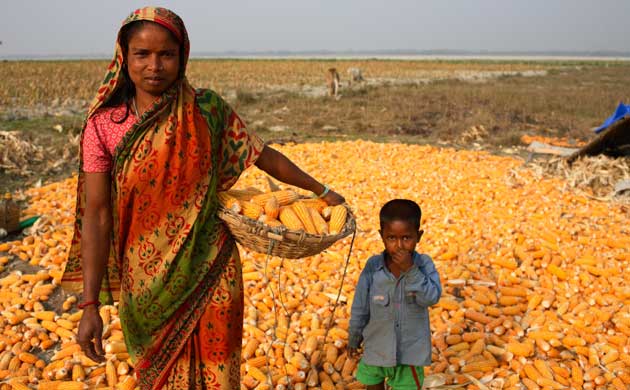
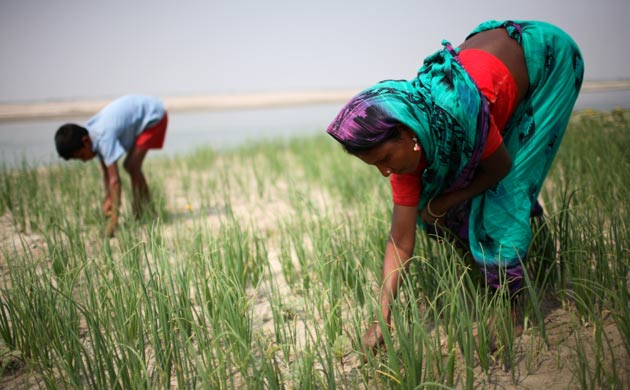
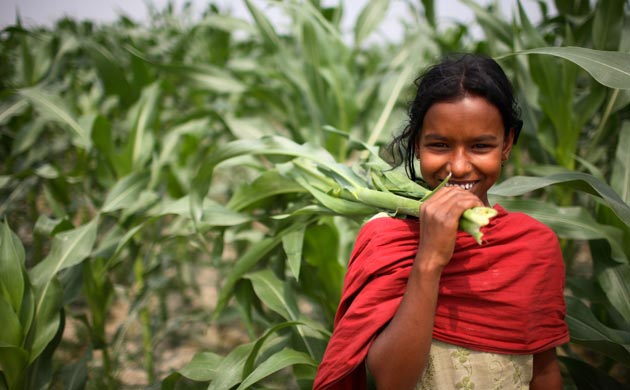
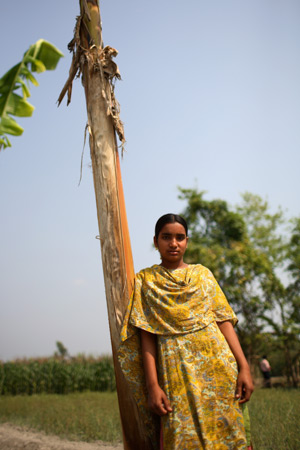
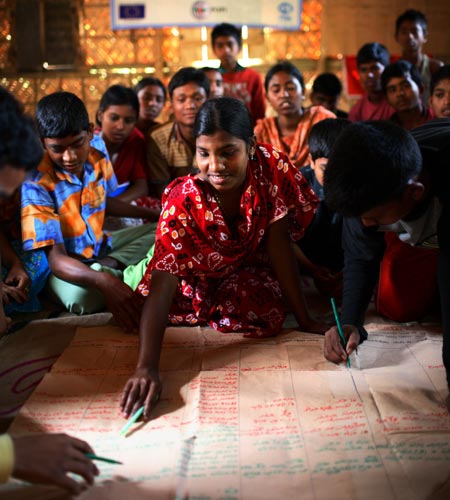
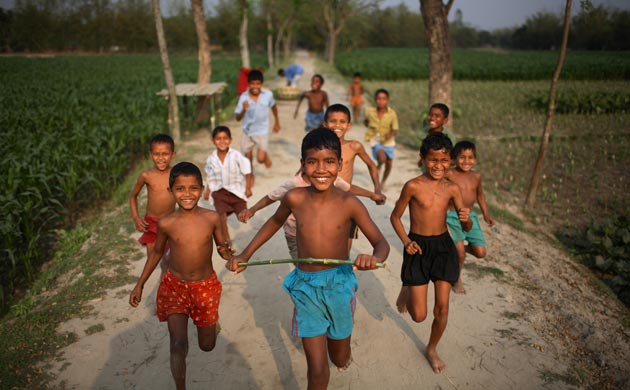
Women and their malnourished babies wait at the Nkamenya centre. In Malawi, the government, alongside Plan and other organisations have introduced a new initiative to combat hunger. The move – called Hunger Free – is part of a worldwide campaign to eliminate hunger in poor countries.Photograph: Frederic Courbet/PanosFood insecurity is not experienced in the same way, or to the same extent, throughout Malawi. Some places, such as the village where this boy lives, were hardly hit by the 2003 food crisis. This village is part of the Mzuzu programme unit of Plan UK’s project for food security.Photograph: Frederic Courbet/PanosEliza Mhone, a farmer from the same area, sits in the shade. Plan has been working with farmers encouraging them to diversify their crops to include legumes and cassava.Photograph: Frederic Courbet/PanosMaize is the main staple food in Malawi. Here, a woman pounds maize grain in her community.Photograph: Frederic Courbet/PanosIn order to select the best grain, a woman shakes maize in a traditional basket.Photograph: Frederic Courbet/PanosAnd here another dries maize grain in the sun.Photograph: Frederic Courbet/PanosJane Chisi in her maize field in Ekwaiweni community. Chisi is a successful community chair of a women farmers’ group. The group is supported by Plan Malawi and aims to support food security by giving women the resources to farm for themselves.Photograph: Frederic Courbert/PanosHowever, maize can be hard to grow. The 2007 Malawi Vulnerability Assessment Committee report indicates that, despite last year’s bumper harvest, 4% of the population, in eight districts, remain at risk of becoming food insecure if economic conditions – triggered by an increase in maize prices – worsen. The eight districts have been affected by floods or prolonged dry spells.Photograph: Frederic Courbet/PanosCassava is a drought-resistant, energy-giving substitute for maize, which is easy and cheap to grow.Photograph: Frederic Courbet/PanosSo these tiny cassava plants could be an important food for Malawi’s future.Photograph: Frederic Courbet/PanosHunger Free in Malawi aims to introduce laws that guarantee the right to food for all so hunger can be cut in half by the year 2015. The government is encouraging farmers to plant cassava as part of this fight.Photograph: Frederic Courbet/PanosSisters Mercy, 11, and Malita, 8, work in their family’s cassava field after school. They put in the little cassava plants themselves. “We do our homework when we get back later,” says Malita. “But we are learning here, too - all about crops, the soil, good food and nutrition. It is important. We are feeding ourselves and our family.”Photograph: Frederic Courbet/PanosMercy is proud that there are no weeds in the cassava fields. By helping to devise and implement initiatives, children are playing a vital role in reducing the future risk of food insecurity. With the right support, they are the ones who will make lasting generational change.Photograph: Frederic Courbet/PanosIn Bangladesh, the sand and silt landmasses known as char in Bengali are home to over five million people. Climate change means that these areas are highly vulnerable to sudden and forceful flooding, as well as erosion and loss of land. In this picture, a farmer takes his cattle to feed. Due to soil erosion, there is no grass for the cattle during the hot summers and farmers have to take their cattle about 2km to feed.Photograph: GMB Akash/PanosSo living on the chars is both hazardous and insecure. Here Shahina, 9, plays with her friends in front of their house. Two hundred children live here, on char villages in the Dawabari river bed.Photograph: GMB Akash/PanosA farmer takes his buffalo for feeding in another side of the river. They, too, live on the Dawabari river bed.Photograph: GMB Akash/PanosA family dries tobacco leaves in the open air. Tobacco is one of the most important crops in this northern part of BangladeshPhotograph: GMB Akash/PanosRasheda, with drying maize in the open air. Together with tobacco, maize is an important crop here. Many char dwellers struggle to produce or buy enough food to eat, and malnutrition and micronutrient deficiencies are more common than elsewhere in the country.Photograph: GMB Akash/PanosSagor, 9, and his mother work in their onion field beside the river Trista. They lost their house due to river erosion; now they live about 1 km away from the river on an embankment built by the government.Photograph: GMB Akash/PanosSaila, 13, in front of her family’s maize field in Dawabari river bed. Like many girls in Bangladesh, particularly those in families affected by flooding, she no longer goes to school but helps her mother at home instead.Photograph: GMB Akash/PanosAlthough the weather was fine when these pictures were taken, monsoon rains and river erosion regularly cause flooding. Sabina, 14, lived in a house that was washed away by floods. Most of the 200 families on this embankment have moved two or three times because of erosion and some say they have had to move as many as 10 or 11 times during their lives.Photograph: GMB Akash/PanosHowever, there are things that can be done to prevent the worst effects of flooding. Here, children participate in a monthly meeting of the disaster management project run by Plan Bangladesh. They discuss and devise long term initiatives to safeguard themselves, their families, their property and their environment.Photograph: GMB Akash/PanosIt is invaluable to involve children, such as these in Hatibandha district, in the process of rebuilding after disasters. Half of the people affected by disasters in developing countries are children. While they comprise many of the most vulnerable, they can make a powerful contribution to recovery.Photograph: GMB Akash/Panos
Sign up to read this article
Read news from 100’s of titles, curated specifically for you.