
In today’s modern world, women still face many structural and systematic barriers and are in poor health in comparison to men, highlighting the health gap that women face. Women spend more of their lives living in poor health with degreees of diability, the “health span” rather than the “lifespan”, spending an average of 9 years in poor health.
Why is it important to increase diagnosis for several women’s health conditions, what should be a priority? This article will explain what the gender health gap is, delve into relevant studies, and highlight the importance of diagnosis.
What is The Gender Health Gap?

The gender health gap is the lack of equity concerning healthcare for women and men, and this gap extends from care to research, with women being undiagnosed for certain conditions compared to men.
According to this article by Oliver Wyman, women are consistently unrepresented in clinical trials, especially in early stage trials where they account for 25% of participants in phases 1 and 2 combined
A vast body of established research indicates that physicians treat women and men differently when it comes to pain, with women in hospitals waiting longer to be seen and less likely to receive medical care.
For women who have struggled with unexplained pain issues for a long time, it can be frustrating when medical practitioners don’t listen, misdiagnose, or take action when it’s too late. Many women have conditions and do not know what they are for years.
Why is Fast Diagnosis so Critical?
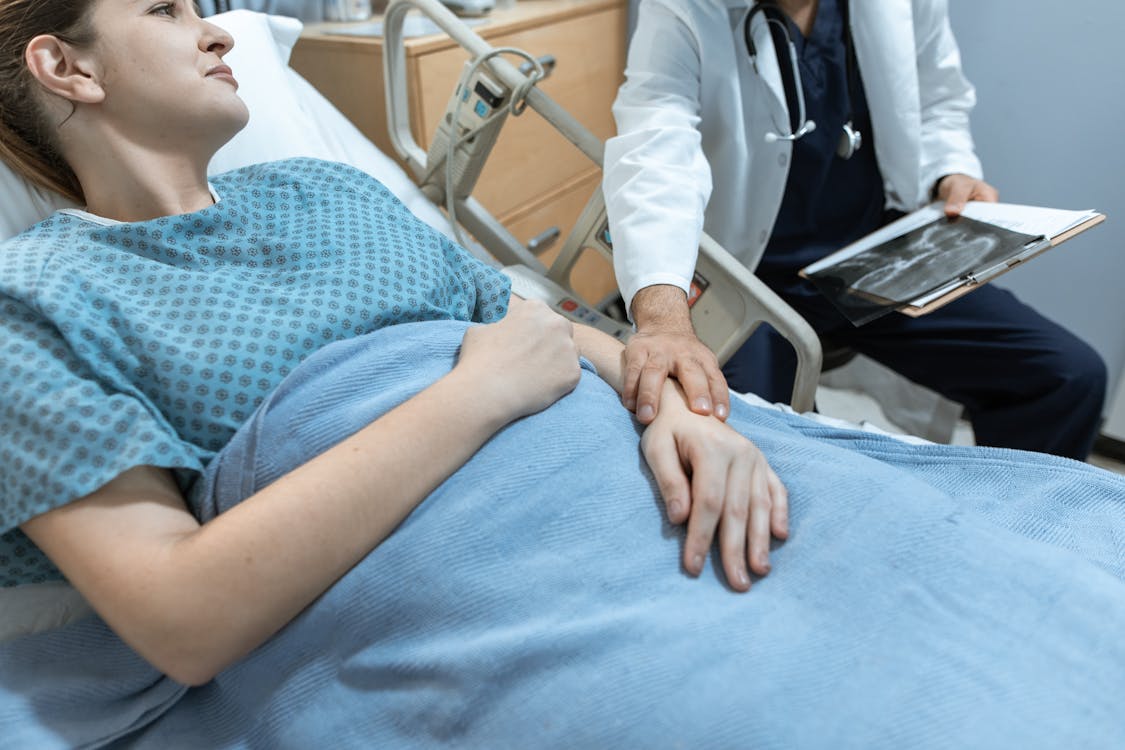
Without diagnosing women quickly and comprehensively, there are many health consequences of exclusion and underrepresentation, so what are some of the benefits of increasing diagnosis?
Early treatment options
Medical practitioners interfering earlier can improve the outcome of women’s health, especially when it is more complex chronic conditions such as endometriosis, nerve pain, auto-immune disorders like lichen sclerosis, or misdiagnosed ovarian cancer.
In many cases, women are put on incorrect medication–for example, steroids or tricyclic antidepressants–which doesn’t always fix the underlying problem. Women should be on the correct treatment from medical professionals from the beginning, not spending years doing trial-and-error without effectively treating their condition or going into remission.
Allocating the right resources
Diagnosing women’s conditions can help healthcare providers–and guide public health initiatives—fund treatment, such as expanding treatment centers with practitioners who specialize in women’s health.
The George Institute of Global Health hopes that global stakeholders consistently recognize, promote, and allocate resources to address a broader health agenda for women.
In any case, governments need to retain and attract women across healthcare–from registered nurses to nurse practitioners with qualifications like a post masters FNP certificate–in medicine and research is an important step to increasing diagnosis.
Supporting research
Accurate and widespread diagnosis can improve data collection. Conducting more research, such as longitudinal studies, can give practitioners scientific insight into treatment and care.
This advances medical knowledge, treatment alternatives, and a deeper understanding of conditions such as vulvodynia, vaginismus, and lichen planus.
The Women’s Health Initiative, for example, began in 1991 and is running until 2026, a health study that focuses on strategies that prevent heart disease, breast and colorectal cancer, or osteoporosis in menopausal women.
Cutting back expenses
Medicare care isn’t cheap, and diagnosing women properly from the beginning can prevent that money-go-round. This report detailing self-reported time to diagnose–and diagnosis–was four years for female patients with chronic conditions in Australia.
Instead of paying thousands for specialists who don’t solve the issue, understanding women’s health conditions can put women on a clear pathway, helping them feel confident regarding treatment and their care.
Informed decision-making
Being properly diagnosed allows patients and families to make informed choices in their care, such as treatment options or lifestyle changes.
According to a study by the National Institute of Health, up to 16% of women experience vulvodynia throughout their lives, and this condition isn’t linked to a specific cause. Although this is one of “the most common causes of pain during sexual intercourse”, it is a type of vulvar pain that isn’t always understood or known by a GP.
Women's Health and Diagnosis: Closing the Gap
The World Economic Forum publication states that addressing the women’s health gap can potentially boost the global economy by at least $1 trillion annually by 2040.
Investing in more than just sexual and reproductive health and focusing on science, data, care delivery, and investment can help women live healthier lives overall. Regardless of age demographic, women’s health and diagnosis should always be a priority.