Making the invisible visible: International Science and Engineering Visualisation Challenge – in pictures
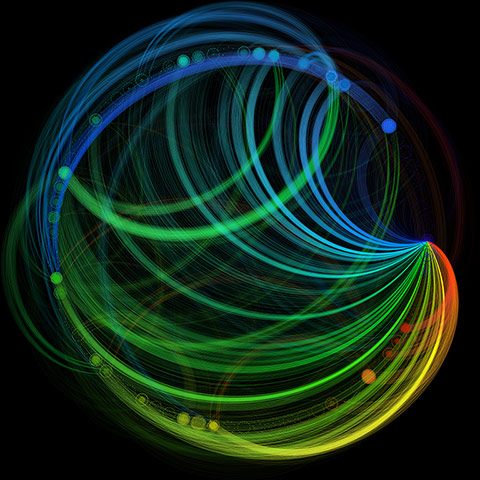
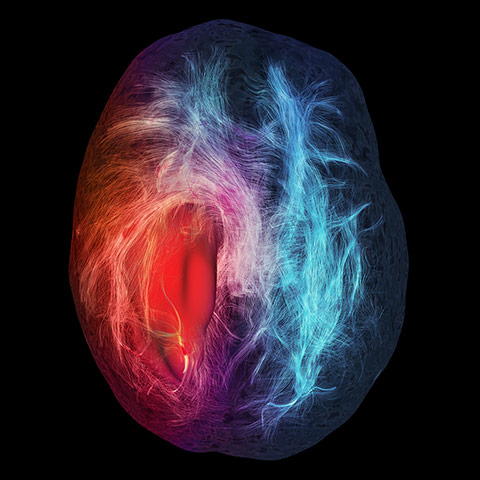
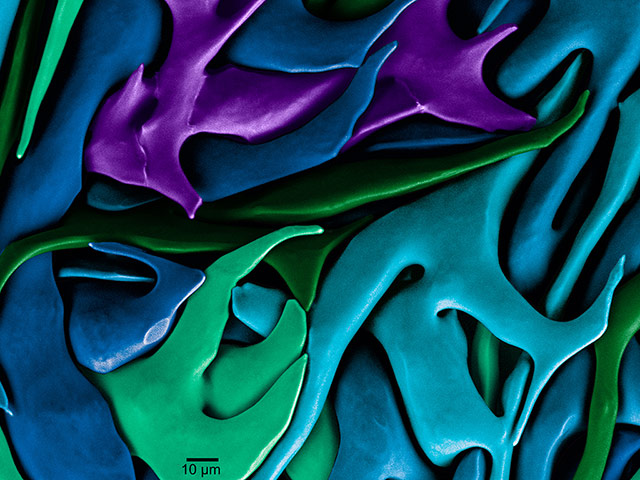
First place (illustrations): 'Connectivity of a cognitive computer based on the macaque brain' is a detail of a 'wiring diagram' of the neural connections between major regions of the monkey's brain. It was created to provide guidance for connecting computer chips into a brain-like network Photograph: Emmett McQuinn, Theodore M. Wong, Pallab Datta, Myron D. Flickner, Raghavendra Singh, Steven K. Esser, Rathinakumar Appuswamy, William P. Risk, and Dharmendra S. Modha; IBM Research - Almaden/2012 Science/NSF International Science & Engineering Visualization ChallengeHonorable Mention and People's Choice (Illustrations): 'Cerebral infiltration' was created using magnetic resonance imaging and shows the white matter of a brain infiltrated by a glioblastoma tumor (the smooth red surface). The nerves have been colour-coded, with blue fibres located a safe distance from the tumour whereas red fibres risk severe damage if the tumour is excised Photograph: Maxime Chamberland, David Fortin, and Maxime Descoteaux; Sherbrooke Connectivity Imaging Lab/2012 Science/NSF International Science & Engineering Visualization ChallengeFirst Place and People's Choice (photography): 'Biomineral single crystals' in a sea urchin's tooth. Geologic or synthetic mineral crystals usually have flat faces and sharp edges, whereas biomineral crystals can have striking shapes that evolved for a particular function. The image was captured using scanning electron microscopy with colours added to pick out individual crystals of calcite (CaCO3), which make the tooth hard and tough enough to grind rockPhotograph: Pupa U.P.A. Gilbert and Christopher E. Killian; University of Wisconsin-Madison /2012 Science/NSF International Science & Engineering Visualization Challenge
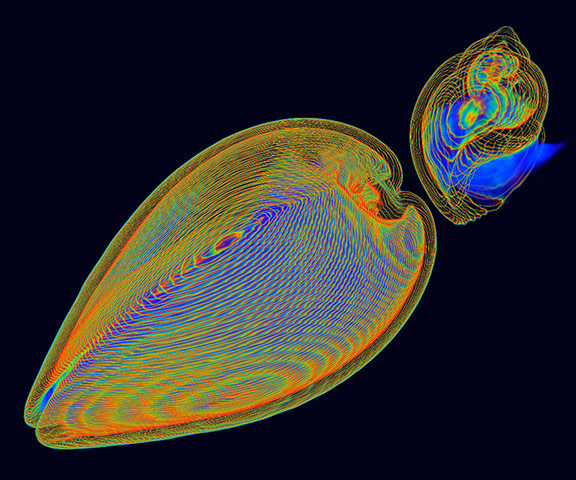
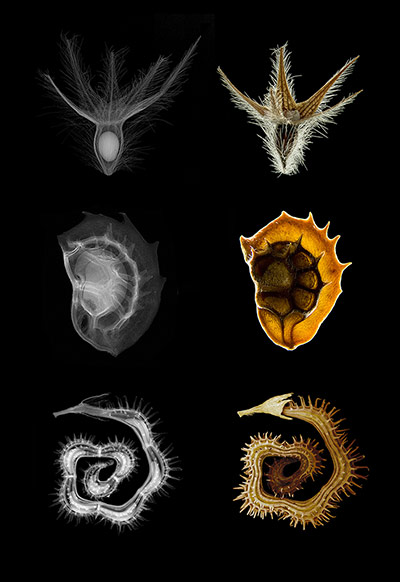
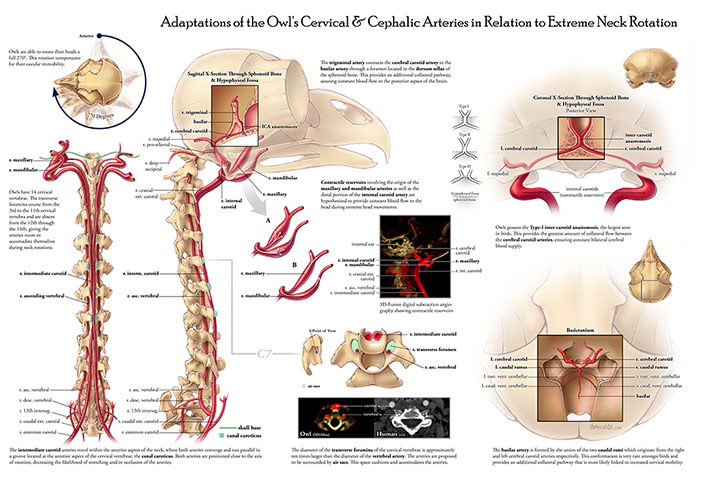
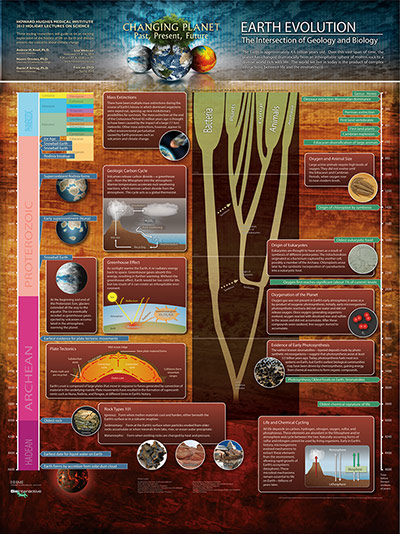
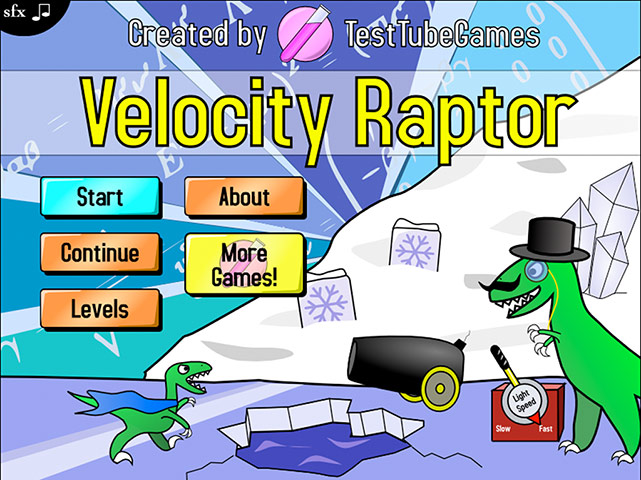
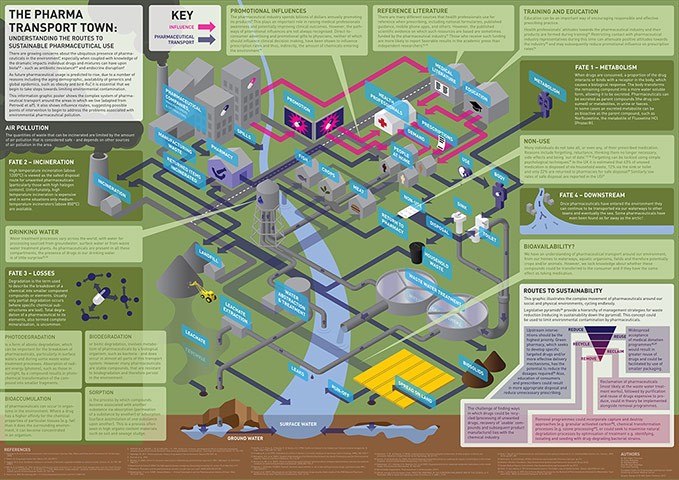
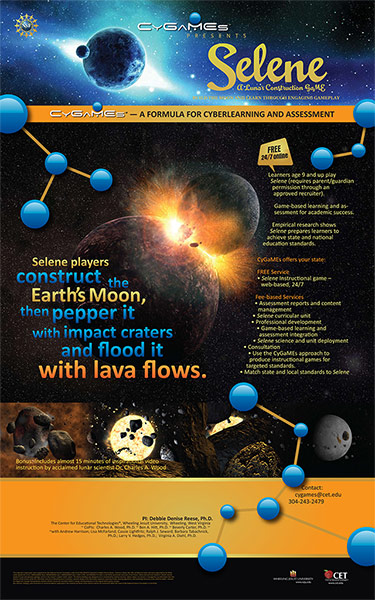
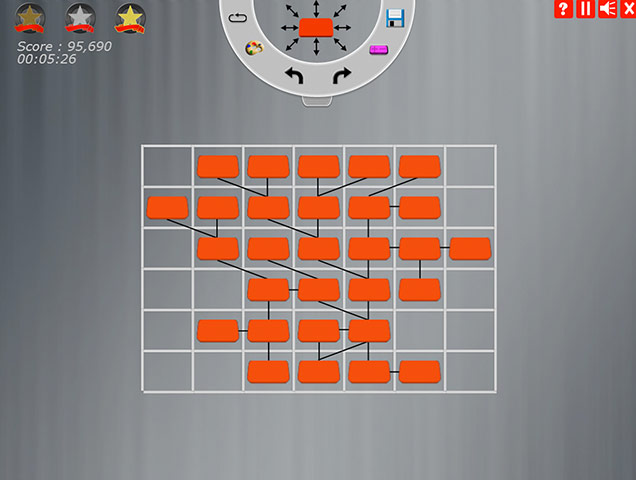
Honorable mention (photography): 'Self Defense' – a 3D CT scan of a living clam and whelk. The clam (left) defends itself by closing its shell rapidly using a simple hinge design. By contrast the spiral construction of the whelk's shell (right) is astonishingly complex and strong. Once the whelk has withdrawn down the spiral tunnel, the shell provides protection similar to a fortress. The clam and whelk solve the problem of self defence in different ways, but the whelk has the upper hand because it can use secretions to drill a hole through the clam's shell. Paralysing chemicals and digestive enzymes are injected through the hole turning the occupant into clam soupPhotograph: Kai-hung Fung, Pamela Youde Nethersole Eastern Hospital (Hong Kong) /2012 Science/NSF International Science & Engineering Visualization ChallengeHonorable Mention (photography): 'X-ray micro radiography and microscopy of seeds'. The picture combines high-resolution, high-contrast x-ray radiography with images taken by microscopy Photograph: 2012 Science/NSF International Science & Engineering Visualization ChallengeFirst Place (posters and graphics): 'Adaptations of the owl's cervical and cephalic arteries in relation to extreme neck rotation" Photograph: Fabian de Kok-Mercado, Michael Habib, Tim Phelps, Lydia Gregg, and Philippe Gailloud; Johns Hopkins University School of Medicine /2012 Science/NSF International Science & Engineering Visualization ChallengeHonorable Mention (posters and graphics): 'Earth evolution: the intersection of geology and biology'. This educational poster shows how geological and biological processes have together shaped Earth’s environment during its 4.6bn-year history. For example, the evolution of photosynthetic bacteria added oxygen to Earth’s atmosphere, which in turn led to the evolution of many new types of metabolisms. Classic visualisations of life on Earth extend to just 540 million years ago, when large animals became abundant. In fact the history of life began much earlier, with fossil evidence going back 3.5bn years. This timeline, however, places 'life in the context of the astounding history of Earth itself' Photograph: Eriko Clements, Mark Nielsen, Satoshi Amagai, Bill Pietsch, Davey Thomas, Andy Knoll; The Educational Resources Group, Howard Hughes Medical Institute and Astronaut 3 Media Group /2012 Science/NSF International Science & Engineering Visualization ChallengeHonorable Mention (games and apps): The game 'Velocity raptor' illustrates what happens when you travel at close to the speed of light, 'where objects shrink before your eyes, colors shift across the spectrum, and bullets travel in strange paths … ' Photograph: Andy Hall, TestTubeGames /2012 Science/NSF International Science & Engineering Visualization ChallengePeople's Choice (posters and graphics): 'The pharma transport town: understanding the routes to sustainable pharmaceutical use' shows the complex routes of pharmaceuticals through the environment, and considers psychological influences upon drug usage and disposal, highlighting points at which interventions could minimise environmental contaminationPhotograph: Will Stahl-Timmins, Clare Redshaw, Mathew White, Michael Depledge, and Lora Fleming; European Centre for Environmental and Human Health /2012 Science/NSF International Science & Engineering Visualization ChallengeHonorable mention (games and apps): 'CyGaMEs Selene II: a lunar construction GaME' Originally funded by NASA and now carried on through a four-year grant from the National Science Foundation, Selene studies videogame learning and the ways researchers can assess how effectively that learning takes place. The Center for Educational Technologies® at Wheeling Jesuit University created the Selene online game to see how organizations like NASA could best use videogames to introduce important science concepts. Named after the Greek goddess of the moon, Selene challenges players to learn the major geologic processes believed to have formed the moon. The Selene project – originally funded by Nasa and now sustained by a four-year grant from the National Science Foundation – studies the effectiveness of videogame learning Photograph: 2012 Science/NSF International Science & Engineering Visualization ChallengePeople's Choice (games and apps): 'UNTANGLED' is an interactive game in which users compete to create the most compact layouts of circuit elements onto a grid. Players are very creative in quickly identifying compact arrangements of elements in our game, say its designers. 'This is extremely exciting, because we are not even close to this skill level in automatic algorithms for creating such layouts, and this limitation is holding back progress in highly customized chip design.' The game gives them the raw material to create new algorithms for circuit layout that, like humans, are more adaptive and creativePhotograph: Gayatri Mehta, University of North Texas/2012 Science/NSF International Science & Engineering Visualization Challenge
Sign up to read this article
Read news from 100’s of titles, curated specifically for you.