Making charcoal in Ulingan slum, the Philippines – in pictures
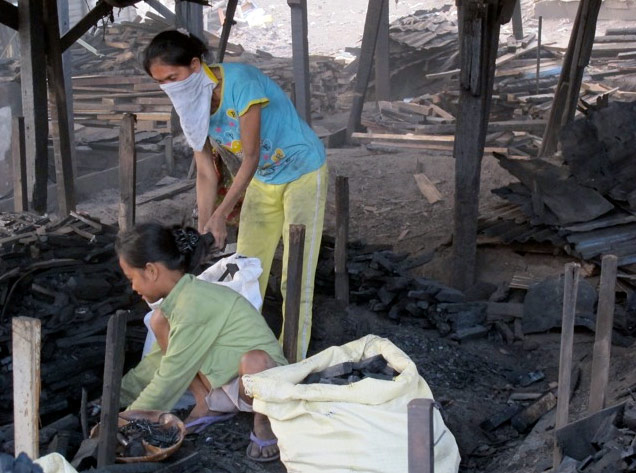
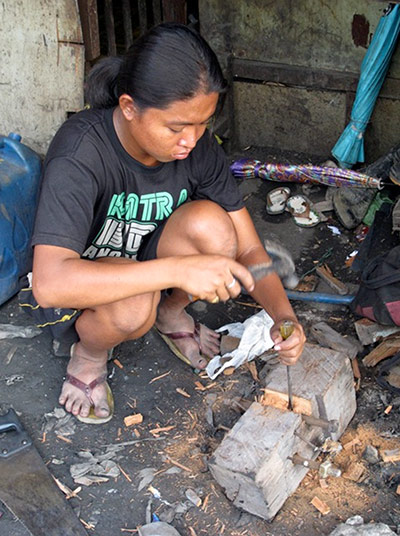
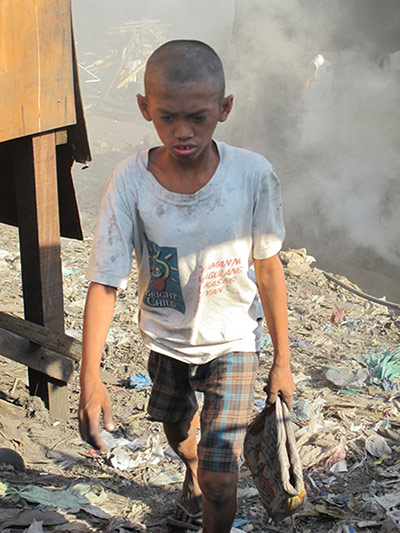
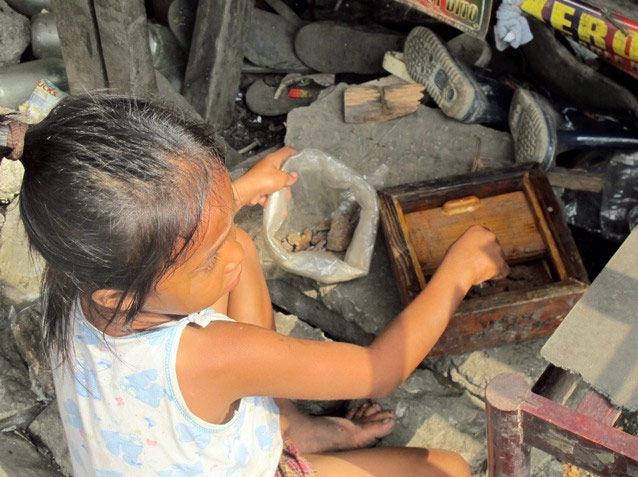
Around 400 families live in the Ulingan squatter community in Tondo, Manila. The majority of the residents of Ulingan, whose name means 'place where charcoal is made', earn a living from smoke and firePhotograph: Sunshine Lichauco de LeonEach day is spent transforming piles of scrap wood into charcoal, a process that requires stacks of wood to burn slowly for three days. The charcoal factory consists of areas of shallow earth pits enclosed by makeshift fencesPhotograph: Sunshine Lichauco de LeonA fire is ignited on each stack of wood, which is covered with an iron sheet and moist soil. Workers watch the wood burn until it turns into charcoalPhotograph: Sunshine Lichauco de Leon
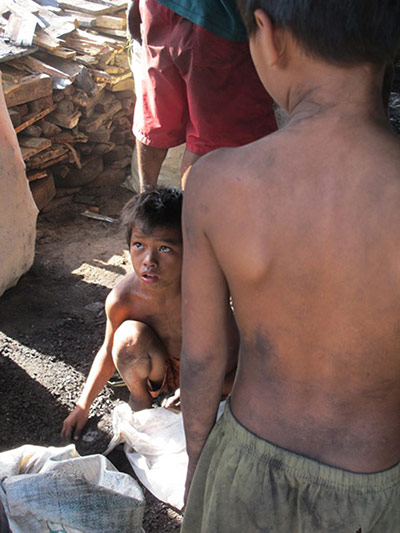
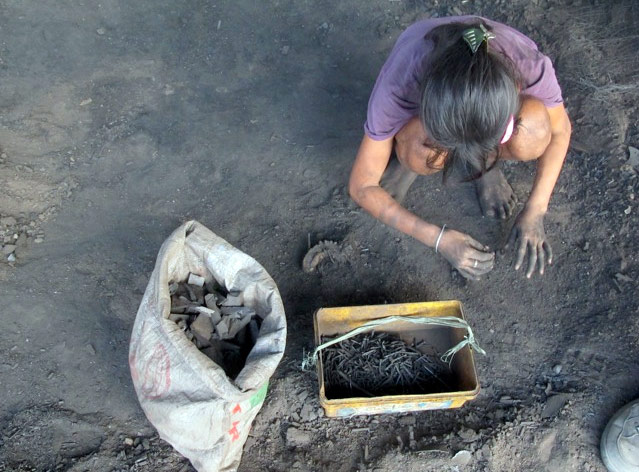
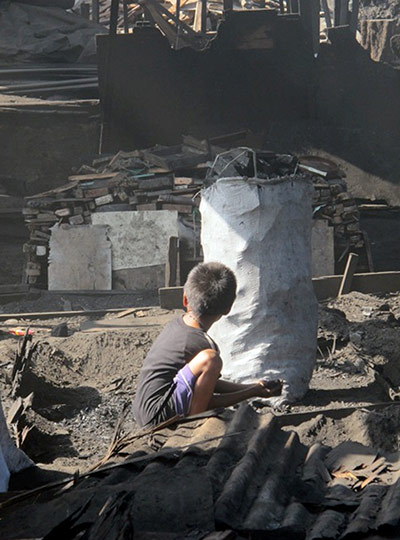
The air is so thick with ash and smoke that it hurts to take a breath. The smell of the charcoal is ingrained in people's skin, which is permanently stained by sootPhotograph: Sunshine Lichauco de LeonIntense heat and dirt form a thin yet overpowering haze that blankets everything in sight, and fresh air and water are a rarity. Manila Bay is used as a toilet and for bathingPhotograph: Sunshine Lichauco de LeonMost parents are too poor to send their children to school, and they need the extra pair of hands to help augment the family income. The average daily wage for one worker is 150-200 pesos (£2-£2.50), barely enough to buy foodPhotograph: Sunshine Lichauco de LeonWorking without masks, gloves or boots, children as young as five use magnets to collect nails left in the dirt after the charcoal is made. This can be sold to junk shops. Older children collect small pieces of charcoal left in the pits or help their parents scoop charcoal into sacksPhotograph: Sunshine Lichauco de LeonGenerations of families have lived in makeshift houses next to the charcoal pits, with no escape from the soot and polluted airPhotograph: Sunshine Lichauco de LeonLung problems are common in the community and many of the area’s 600 children are malnourished. Local organisations such as Project Pearls offer assistance – the children are offered a nutritious meal every Saturday, medical and dental checks are carried out and a scholarship scheme sends 211 children to school with lunchPhotograph: Sunshine Lichauco de LeonThe charcoal is sold to middlemen outside Ulingan, where it makes its way to small convenience stores all over Manila. The small packs of charcoal are used to grill typical street food sold around the cityPhotograph: Sunshine Lichauco de Leon
Sign up to read this article
Read news from 100’s of titles, curated specifically for you.