AT the previous round of NSW council elections, the smoke was still clearing on the Coalition's policy of forced council amalgamations - championed by Mike Baird and then abandoned by his recently vanquished successor, Gladys Berejiklian.
The negative impacts of this highly disputed policy are still evident five years later, with activists in some parts of the state still working to dissolve unpopular "mega-council" marriages.
Mostly, however, the all-encompassing impact of COVID has pushed such concerns to one side.
As a positive, the importance of "visible" democracy has led councils to improve the streamed, or online, access to their deliberations.
At the same time, coronavirus has robbed people of the opportunity to sit in the chamber with their representatives while decisions are taken, and policy made.
Hopefully, open council meetings will return some time next year, perhaps even the start of the new term when councils around the state hold their inaugural meetings.
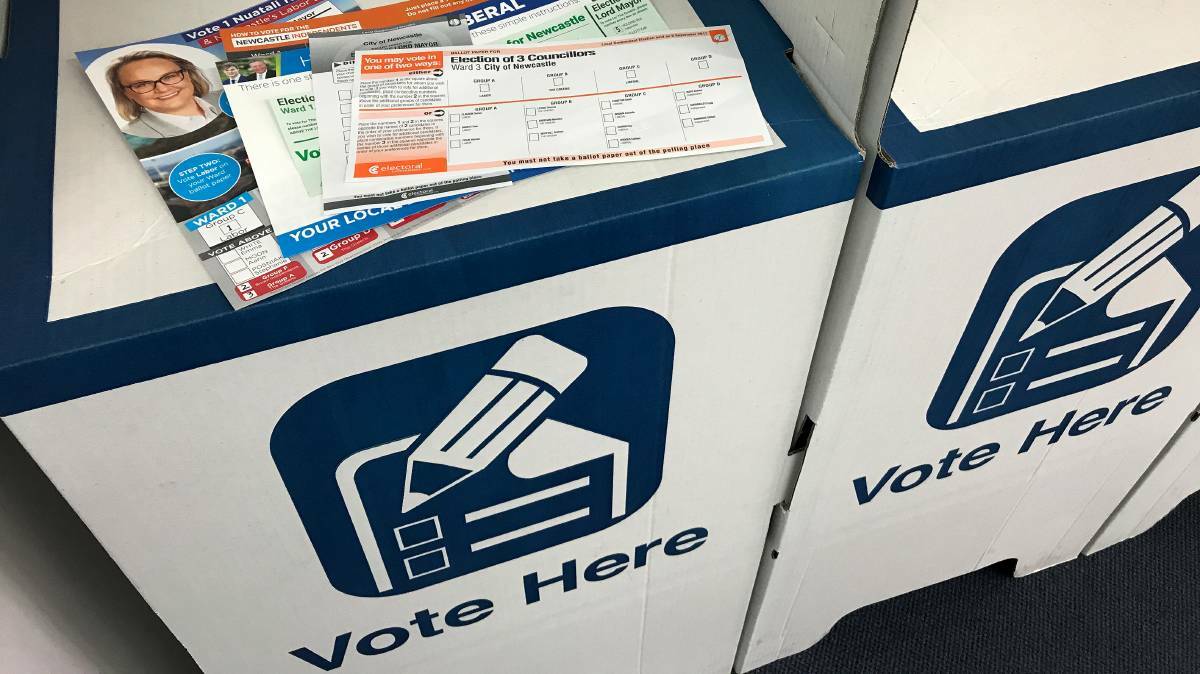
In a similar vein, it is to be hoped that the threat of infection does not dissuade ratepayers from lodging their votes.
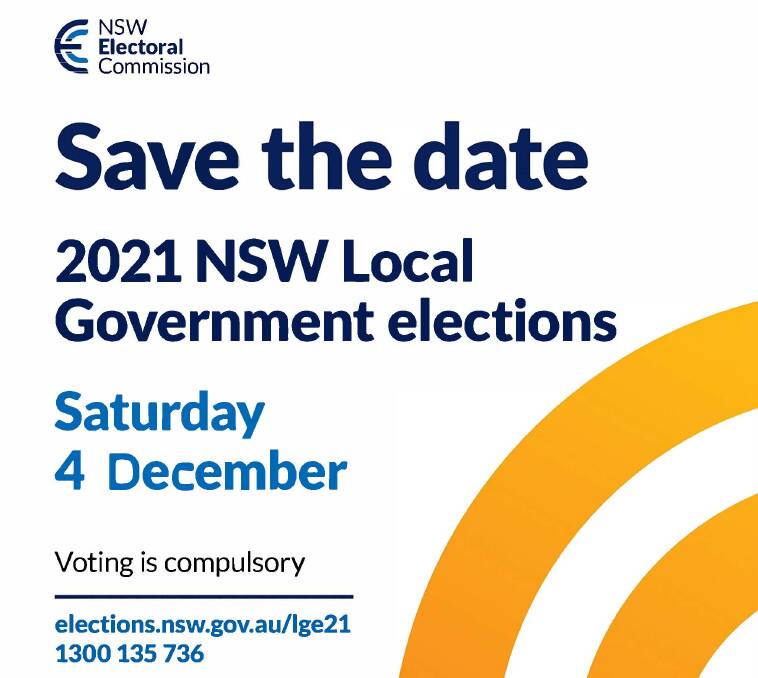
Despite the threat of a $55 fine - or more - for not voting, NSW Electoral Commission fine print shows the turnout across most Hunter council areas last time around was only about 80 per cent.
Newcastle, for example, had 117,784 ratepayers but only 95,515 votes cast in the lord mayoral ballot. Lake Macquarie had 152,550 eligible voters but only only 122,075 votes.
Upper Hunter had a turnout of 82 per cent, and Muswellbrook 78 per cent.
Such figures are remarkably consistent across the region.
They are also about 10 percentage points lower than the 90-per-cent-plus turnout for NSW and federal government elections.
With Newcastle being the "capital" of the Hunter, its council is the most closely watched in the region.
But the often polarising politics of a council chamber form only part of the picture.
Ultimately, the success or otherwise of a particular administration will lie in its provision of services.
Roads. Rates. Rubbish.
The role of local government in land and building approvals puts it unavoidably between the often opposing forces of commerce and the environment.
For these reasons and more, each vote counts. But only if they are lodged.
ISSUE: 39,735