
Every year UK charities send thousands of staff and volunteers overseas. The Nepal earthquake, the Ebola outbreak, the Syrian civil war – when some of the world’s biggest crises occur, charities are on the front line. Yet even routine international travel can carry pitfalls. “You might go to Paris once a month and feel safe, but who could have predicted the Charlie Hebdo incident?” remarks John O’Sullivan, group marketing director at Key Travel, a travel agency specialising in supporting NGOs, education and faith groups. “Unpredictability is the risk of any international travel.”
The Charity Commission, offers online information on some of the big issues that might be faced, such as disease, political instability, terrorism and fraud.
For Tallulah Perez-Sphar, an outreach officer at the commission, danger in itself shouldn’t impinge on doing good work; it means taking the necessary precautions at the outset. “Simply because an activity involves serious risk does not necessarily mean it needs to be stopped; it depends on what can be done to reduce the risks.”
Perez-Sphar says the commission expects trustees to provide staff and volunteers with “suitable training to work in an unstable environment”, “a security policy”, and “further counselling support where necessary”.
Finding the right types of insurance should also be an important element of forward planning. It is important to speak to your insurer to understand exactly what you are covered for, and to make additional arrangements if necessary. Policies may not cover all territories for a variety of reasons ranging from legal to logistics. For example, UK employers’ liability insurance provides cover for employees normally resident in and travelling from Great Britain, Northern Ireland, Isle of Man and the Channel Islands, reminds Sharon Cheasley, a product underwriter at Zurich Insurance. You may want to consider policies such as medical, accident, critical illness, travel cover, or even kidnapping and ransom insurance.
“Make things as predictable as possible”
One organisation that has seen its fair share of hostile environments is Médecins Sans Frontiéres (MSF). Liz Bowen is MSF UK’s HR manager for field staff, overseeing approximately 200 people sent overseas each year.
Bowen says that managing risk is “core” to the success of the charity’s work. This begins with a “self-screening process” to ensure it is getting the right people for the job. “We provide clear information on our website about how we work, where we work, the security situation and what people will be responsible for,” she explains. “It’s about people understanding the risks of where they are going before they even apply.”
Physical and mental health are other big risk areas, so pre-trip screening and post-trip support are two essential tools. “We have a peer support network where people who have just come back from a mission can talk about their experience with someone who has worked in the field,” she explains. “It’s a preventative measure. We are trying to prevent people going from mission to mission like a revolving door and then breaking down at the end.”
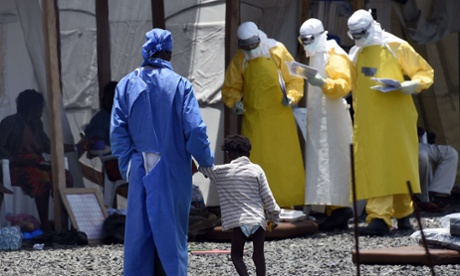
While in-country, Bowen says staying safe is all about making things “as predictable as possible” via a strict security policy. Take MSF’s work during the West Africa Ebola outbreak: staff had to follow rules including how to take their work clothes on and off, time limits for working in a medical tent, and a “no-touch policy” that included a ban on handshaking and hugging.
Bowen says success on the front requires everyone to take responsibility for safety”, “we encourage people to raise issues with their project coordinator or head of mission if they aren’t happy with how safety is being handled.”
O’Sullivan agrees - while you’ll never be able to predict the unpredictable, having the right security and emergency policies in place will empower staff and volunteers to react appropriately. “Charities are highly passionate, and sometimes emotions can take priority over precautions, so be very deliberate in how you think about your trip and plan for possible scenarios,” he advises.
“It’s about doing the simple things, such as having an itinerary for each person travelling, knowing where they will be and how they will check in, and what to do if they don’t check in. Make sure people know who to contact, and how, if something goes wrong.”
Learn more about how charities can manage risks, with our free guides.
Interested in finding out how much Zurich can help your charity? Email us at info@zurichmunicipal.com or call us on 0800 232 1901.
Content on this page is paid for and provided by Zurich Insurance sponsor of the Guardian Voluntary Sector Network’s Charity Leadership hub.













