
It's a "silent, hidden and deathly pandemic" trapping people in "domestic terrorism" but now coercive control is a step closer to being a crime in Australia's most populous state.
A NSW parliamentary committee with members from the Coalition, Labor, the Greens and One Nation has unanimously recommended a new offence be created to put a stop to coercive control, a form of domestic abuse.
It's the core recommendation of the committee's 190-page report, published on Wednesday following an eight-month inquiry.
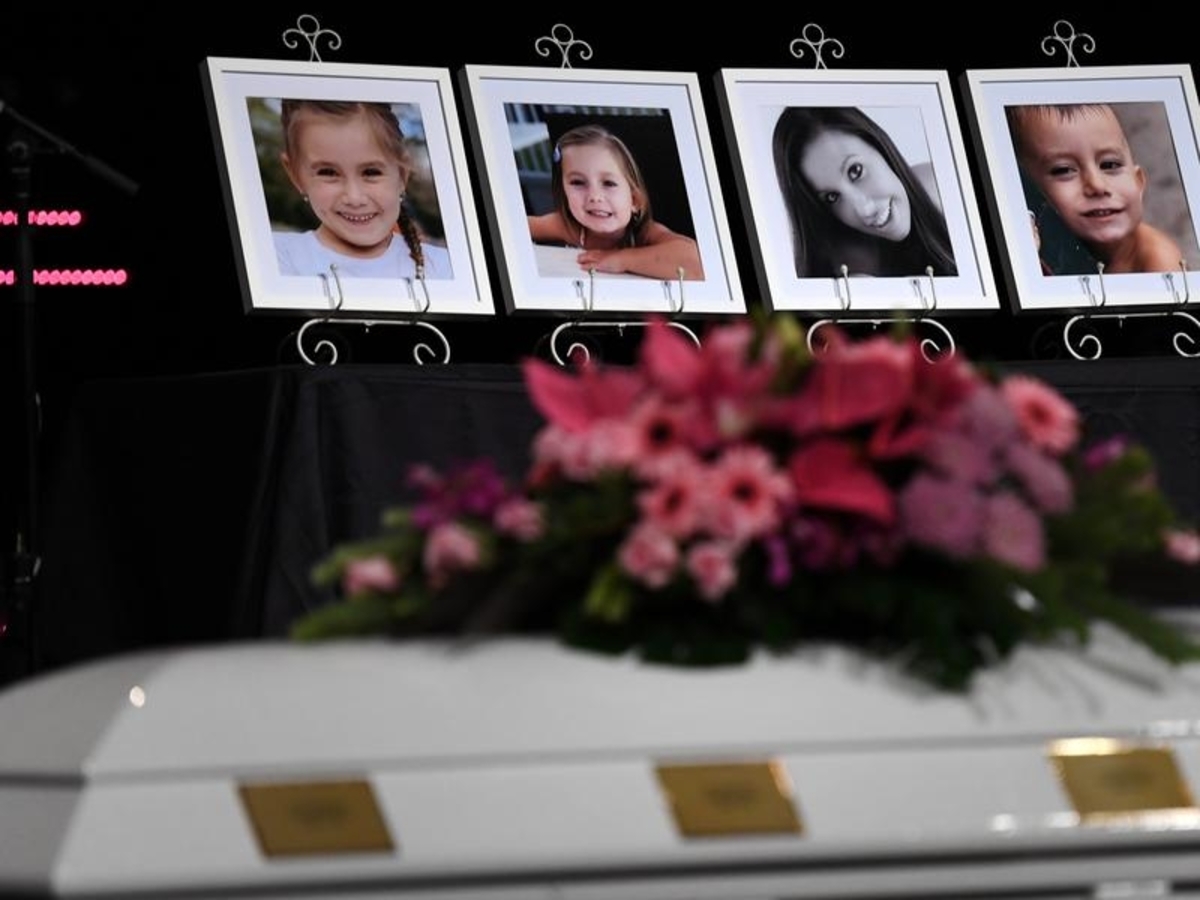
"It is clear that coercive control is a factor and red flag for the horrific and preventable murder deaths of Australian women and children - some 29 murders in 2020 alone in NSW," the report states.
"It is incumbent on government ... to intervene."
Coercive control is a pattern of behaviour - involving psychological, emotional, financial, physical, or sexual abuse - that robs people of their autonomy and independence.
Committee chair, Liberal MP Natalie Ward, described it in her foreword as "domestic terrorism".
"It is no exaggeration, it is a silent, hidden and deathly pandemic," she said.
Of 112 domestic violence homicides in NSW between 2008 and 2016, 111 were preceded by coercive control.
While all agreed that coercive control needed to be stopped, victim survivors, sector workers, police and others who gave evidence to the inquiry had been sharply divided on whether creating a new crime was the right approach.
Some fear criminalisation will exacerbate existing problems with policing domestic violence.
And domestic violence sector workers raised concerns this would be worse for Indigenous women and other marginalised groups, who face greater challenges in getting help and protection.
The committee acknowledged these concerns, saying the crime should not be introduced until police, frontline workers and others undergo a "considerable" program of education, training and consultation.
There should be targeted education campaigns for Aboriginal and Torres Strait Islander communities, as well as other groups like women with a disability, the LGBTQ community, and multicultural communities.
Attorney-General Mark Speakman, who initiated the inquiry, said the evidence showed that reasonable minds differ on the best way to respond to this "abhorrent behaviour".
He pledged to consider the report's findings and recommendations "with the care and diligence it deserves."
Beyond the new crime, the report calls for a "whole of government" effort to address domestic abuse on a systemic level.
"Laws alone cannot stop violence against women, and it cannot be left to the police and criminal justice system to address," the report says.
The government should boost funding to domestic abuse and housing service providers to help women leave abusive relationships as well.
The politicians also say NSW should follow Victoria and WA's lead and create hubs, complementary to police, for victim survivors to go to in order to be referred to services.
In the meantime, the committee wants changes to the law to make it easier for women to get protection orders from the courts.
The report suggests reforming the state's "incredibly complex" apprehended domestic violence order scheme, by adding a definition of domestic violence that includes coercive control.
People who breach violence orders should face higher penalties as well, the report recommends.
Greens MP Abigail Boyd, who sat on the committee, said that criminalising coercive control was urgent but the government needed to get it right.
"Decades of sexism" within the police and judicial systems had left people wary of the justice system, she said.
"There needs to be whole-of-society reforms as a wrap-around to this legislative change, beginning immediately and not stopping until there are zero domestic homicides in our state."














