I have been keeping bees for over a year, and I am quite sure I would not have fallen in love with this hobby had I tried to do it alone; it would have been too daunting. I tend to my bees with my allotment friend Al. They are the first thing we see when we arrive at the allotment, and we always enjoy a catch up about how they’re doing.
Keeping bees is a commitment. It’s heavy work and someone needs to be around all summer long, so it makes sense to do it with friends. Beekeepers are a generous lot, always ready to offer advice and donate equipment and, better still, swarms of bees. These friendships matter as much as any other aspect of beekeeping.
Perhaps because of our busy lives, there are more and more community and collective beekeepers, sharing the work as well as the honey.
For Harriet Stigner, who is part of the Urban and Community Beekeeping group in London, tending bees offers “a refreshing and completely unique way to connect with people. We get great views on our rooftops; just 15 minutes can be enough to relax and let go of stress.”
Community bee-keeping is about so much more than harvesting delicious honey – although that’s a perk. As Kerry Morrison, part of the Bee Friendly collective in Todmorden, says: “We all want to be part of a community that cares about bees.”
Why we keep bees
The continuing decimation of insects and animals that transfer pollen in Britain has meant that the pin-up of that world, the honeybee, never fails to be out of the papers. There is no single reason why this is happening; in part it could be down to certain pesticides such as neonicotinoids, but the cocktail of other chemicals we put on our crops doesn’t help either. The Varroa mite has also contributed, killing millions of bees worldwide. The decline of wild bee habitats across Europe has a huge effect, too.
If you want to become a beekeeper the first thing you should do is encourage all pollinators by growing “forage” plants that have plenty of pollen – especially during the winter. The Royal Horticultural Society has an extensive list of suitable plants and advice on how to grow them.
Remember, bees make honey for themselves, not for us. When they can’t fly because the weather is inclement, they eat their stores (so that’s most of the winter). Taking too much honey out weakens them; honey is a precious gift after a good year, not a reward for all the time you spent tending them.
Learn about the hive
I don’t believe there’s a best method for beekeeping; all the various styles have their strengths and weaknesses. It’s more about which method suits the keeper than the bees. You’ll quickly learn they don’t really give a damn about you anyway.
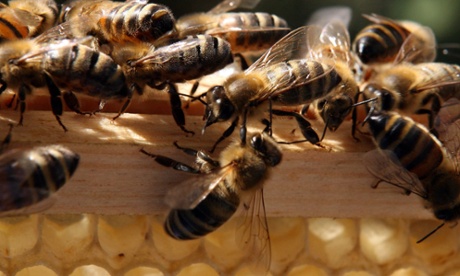
When you open up a hive, what you notice once you’ve got past the panic of seeing thousands of bees is the wax comb, full of hexagonal cells; here the queen lays her eggs. Depending on the stage, you should see eggs, pupae and emerging young bees. The comb is also used to store honey and pollen. When the queen stops laying eggs in preparation for winter, the comb fills with honey stored so the bees have something to eat when they can’t fly in the bad weather.
There are many different types of hives; the most common are National Hives and their variants, which offer the most amount of honey. There are other hives that allow the bees more freedom to build their own comb, but all of them attempt to recreate a model of how bees behave in the wild. I use a popular one called a top bar hive because it’s a simple set-up – a horizontal hive with empty bars from which the bees build their comb.
Where to keep your bees
You can keep bees in gardens, on allotments, in community gardens or sturdy, sheltered rooftops. I know of groups at universities, botanic gardens, fire stations and schools. What all these have in common is that they have access to forage plants – any plant where they can find pollen. Bees fly up to five miles for food, but life is much easier with flowers available all summer, nearby.
Your local chapter of the British Beekeepers Association will have an apiary, or bee yard, with potential spaces (though there might be a waiting list). Membership also gets you third party insurance, which is a must. Your local association may also have a swarm officer, who can help you get free bees. In short, it’s worth the membership.
Once you have bees, you should sign up to BeeBase (nationalbeeunit.com/), for a free visit from their inspectors, who check for signs of pests and diseases, and offer advice.
Courses
Your local beekeeping association will run courses, night classes and mentor schemes. Bee Friendly ccollective is based in Todmorden and practises natural beekeeping. It is taking on new members and runs beekeeping courses over the summer. Urban and Community Beekeeping run taster courses throughout the summer. And my bee mentor, the London Honey Company, runs a one-day practical course in beekeeping as well as taster sessions. The Natural Beekeeping Trust runs courses throughout the summer at various locations around the country.