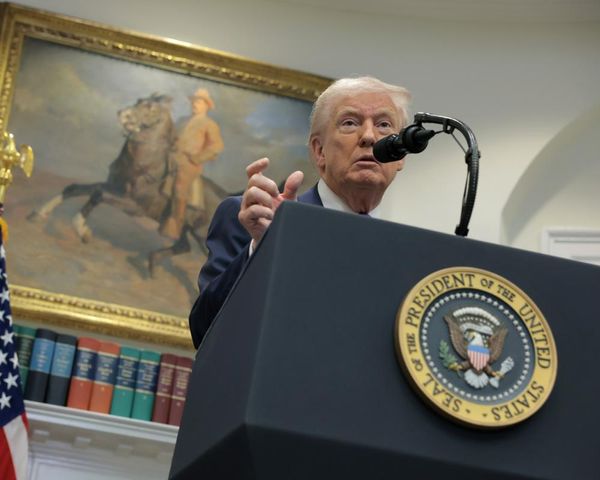
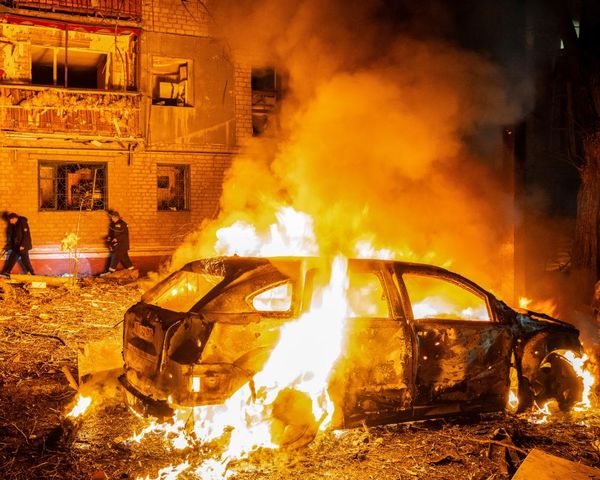
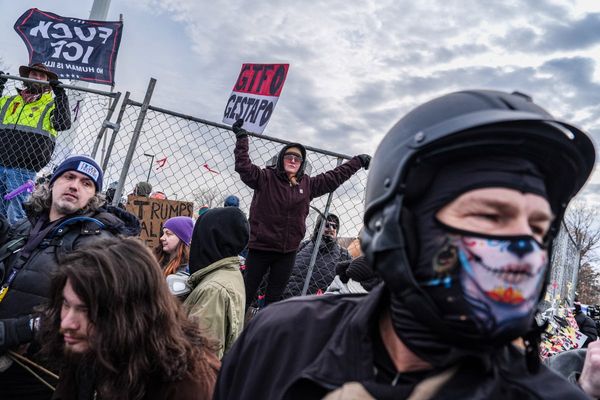
For anyone who is alive today, the world as we know it has never been so stirred and shaken. The international order based on a common set of institutions, rules and norms that used to be widely cherished and universally beneficial is unravelling before our collective and helpless eyes. From an emerging United States-China trade war and Beijing's militarised occupation of the South China Sea to Russia's revanchist annexation of Crimea, world order over the past several years has been breaking down. Those who once set the rules, principally the US, are breaking them, while aspiring new rule-setters, mainly China, have not found sufficient international reception. Rule-takers, such as the smaller states in Asean, suffer the most when set rules lose cohesion, lustre and abidance.
Trends and patterns suggest the global status quo is likely to deteriorate, not quite to the point of everyone for himself and herself but approaching a state where every nation-state is in it for itself at the expense and sometimes in the absence of broader cooperation and collaboration. The spectre of war and conflict is not in the immediate offing but prospects for continued peace and prosperity are gloomier now than at any time over the past seven decades.
For Thailand and its Asean neighbours, when the world outside encounters headwinds, their regional neighbourhood should serve as a refuge and offer some reassurance, insulation and a semblance of security. But this is not the case because Asean has been adrift, picked apart by bigger powers. Asean's internal divisions over the intentions and interests of greater powers from outside the region need to be narrowed for mutual benefit and downright survival. What's left of the rules-based order must be upheld, promoted and nurtured. This is a daunting challenge.