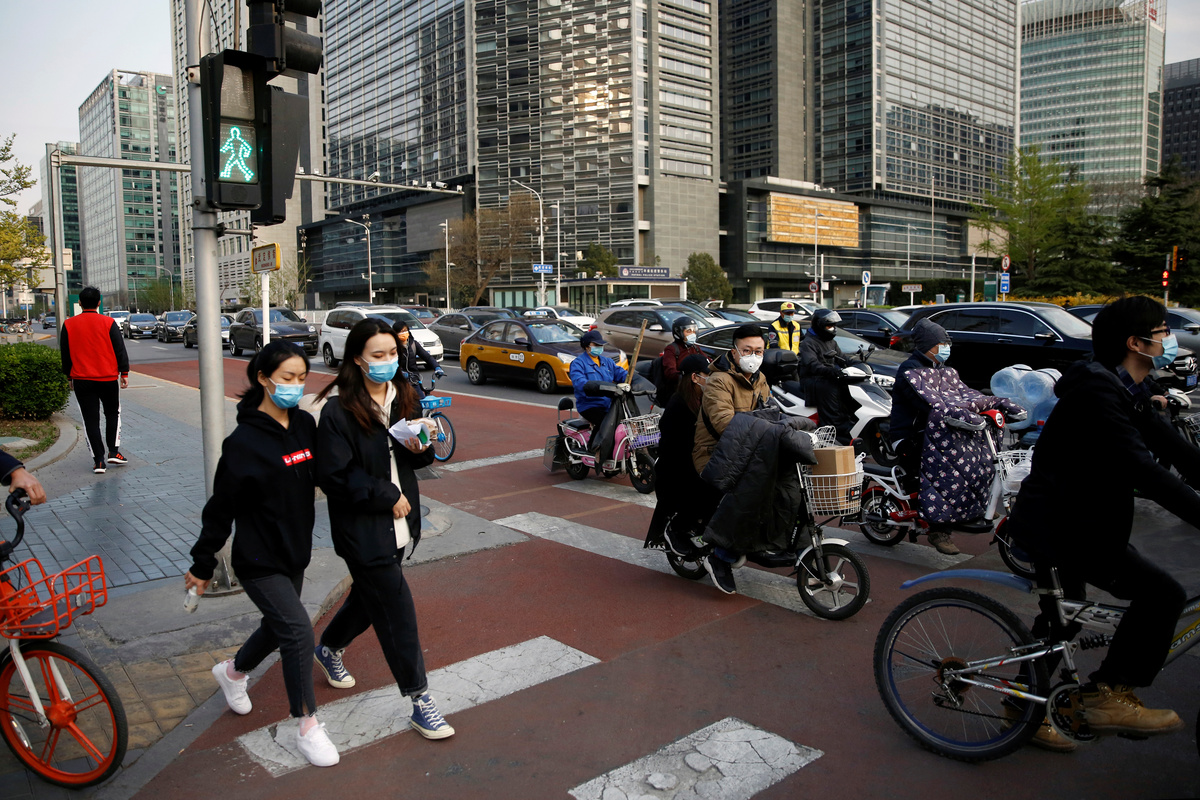
China took new measures on Wednesday to try to prevent asymptomatic "silent carriers" of the new coronavirus from causing a second wave of infections, as the country reported another modest rise in confirmed cases.
While new cases have declined from their peak since China imposed strict travel restrictions, authorities have called for continued vigilance amid fears of a fresh resurgence of infections as the economy cranks back to life and more people move around.
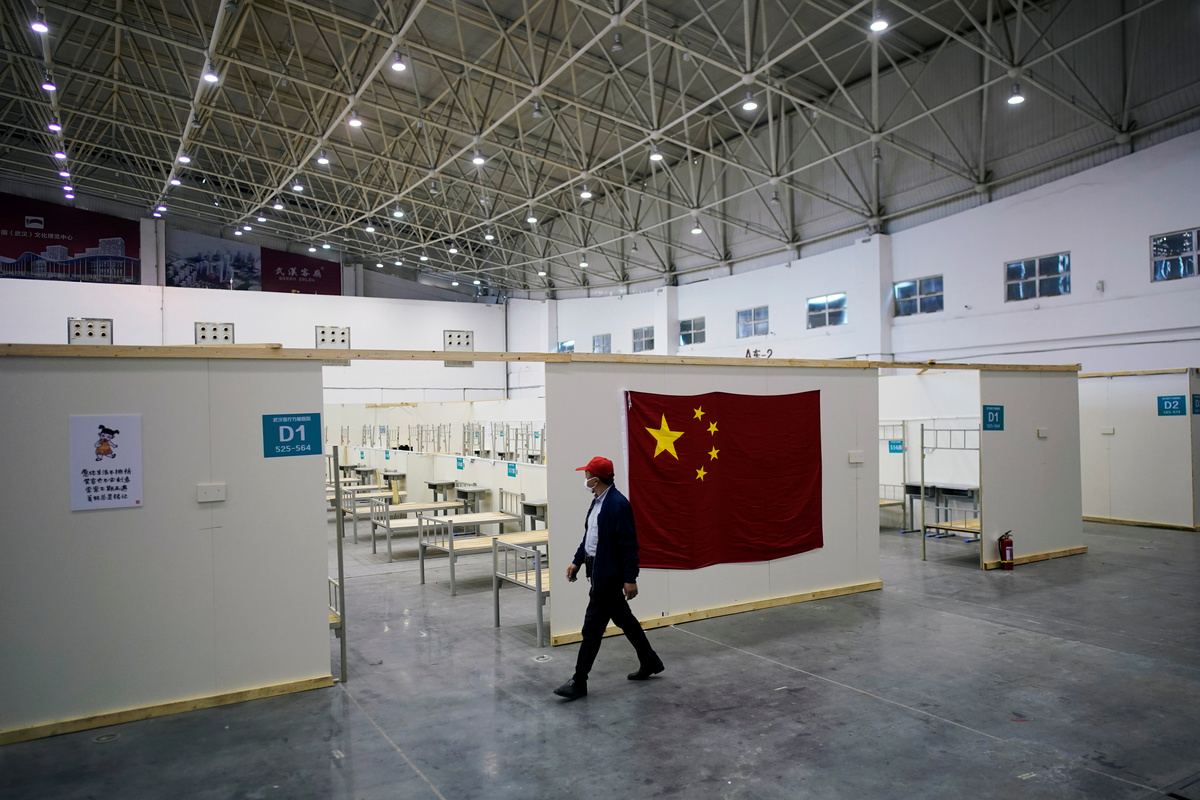
Mainland China reported 63 new infections on Wednesday, up from 62 a day earlier, the National Health Commission said. Of those, 61 were travellers arriving from overseas, bringing the total number of confirmed cases in China to 81,865.
China is also increasingly focused on managing asymptomatic virus carriers. It only began announcing figures for such cases on April 1, reporting 657 new asymptomatic cases so far this month, of which 57 have developed symptoms.
On China's Twitter-like Weibo, "Are asymptomatic people really asymptomatic?" was one of the most-discussed topics on Thursday, highlighting a media interview with Liu Youning, a professor of respiratory medicine at the People's Liberation Army General Hospital.

Liu said asymptomatic carriers posed little risk, but that people should continue to avoid crowded areas, maintain social distancing, wear masks and wash hands.
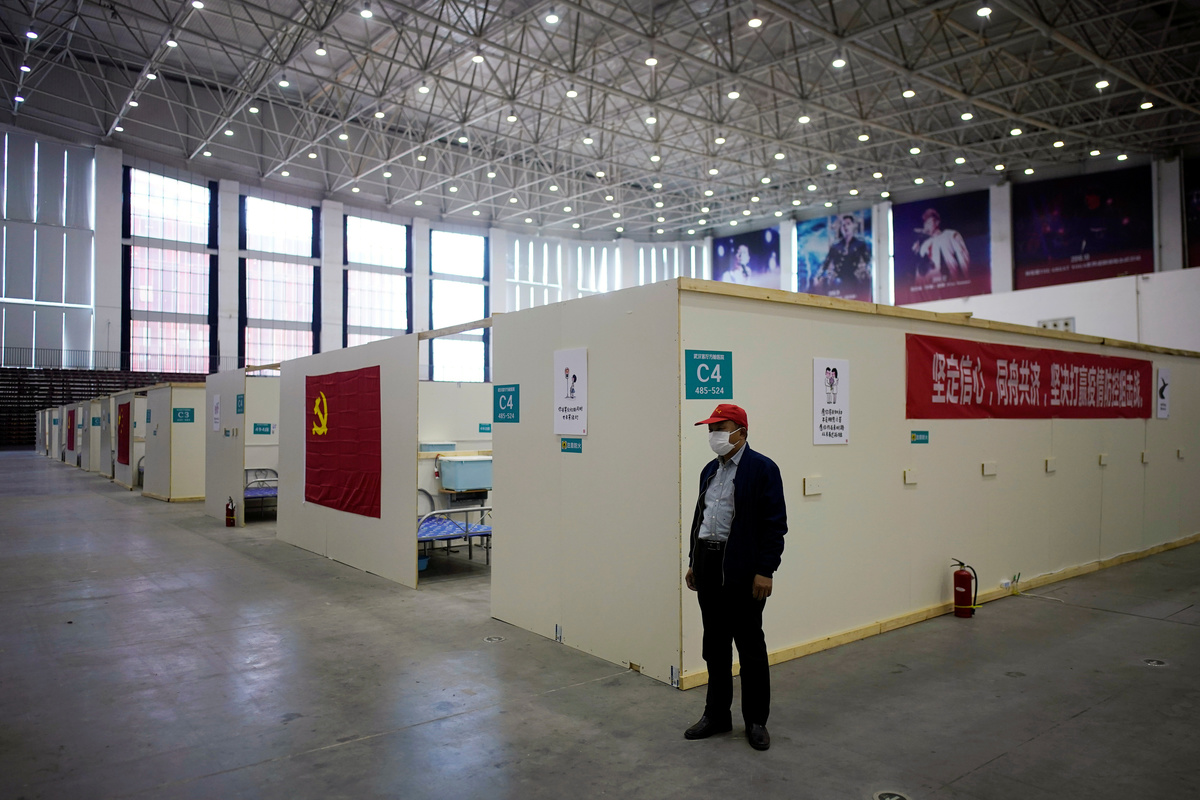
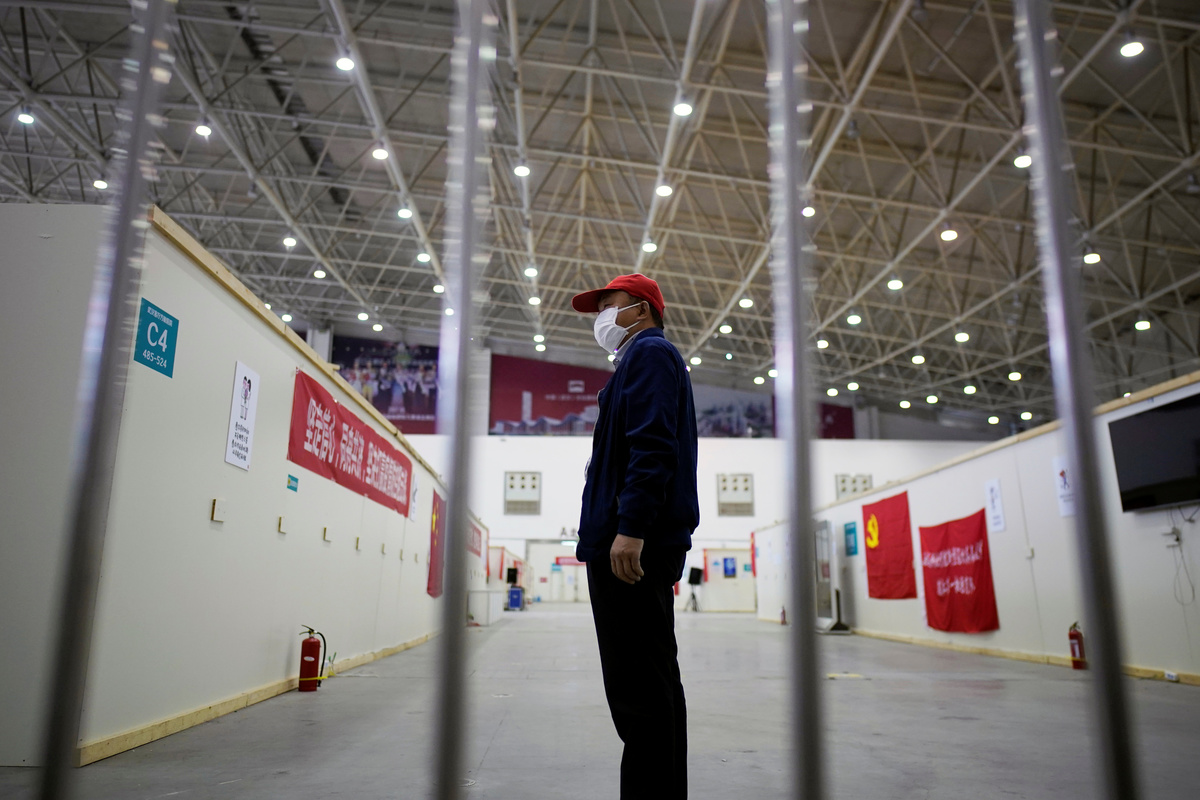
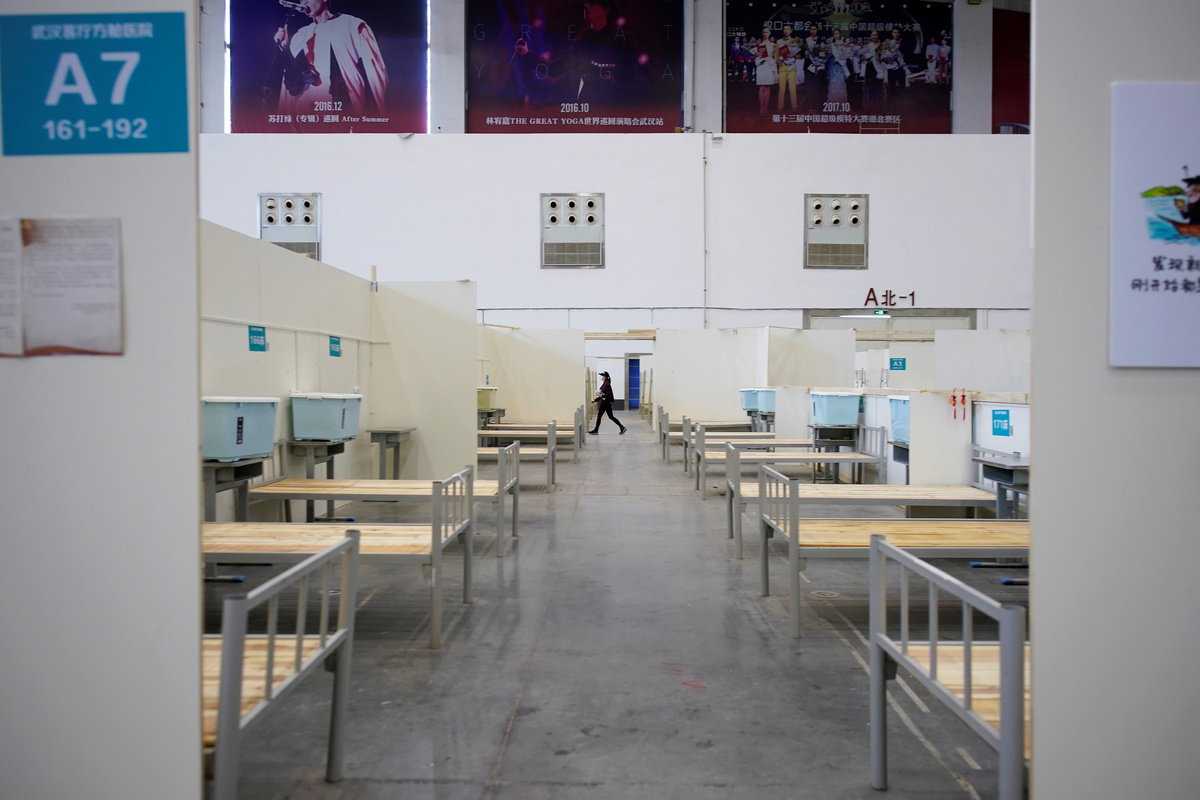
Zhang Dingyu, president of Jinyintan Hospital in the central city of Wuhan, the original epicentre of the outbreak that began this week allowing people to leave after a more-than two-month lockdown, said he was not worried about a big second wave of infections given the containment measures in place.
"We think in the future there could be some sporadic cases and even some local outbreaks, like how at a company you might see 30 or 20 contagion cases that become an outbreak. But the possibility of a big outbreak, there isn’t really such a possibility," he told reporters.
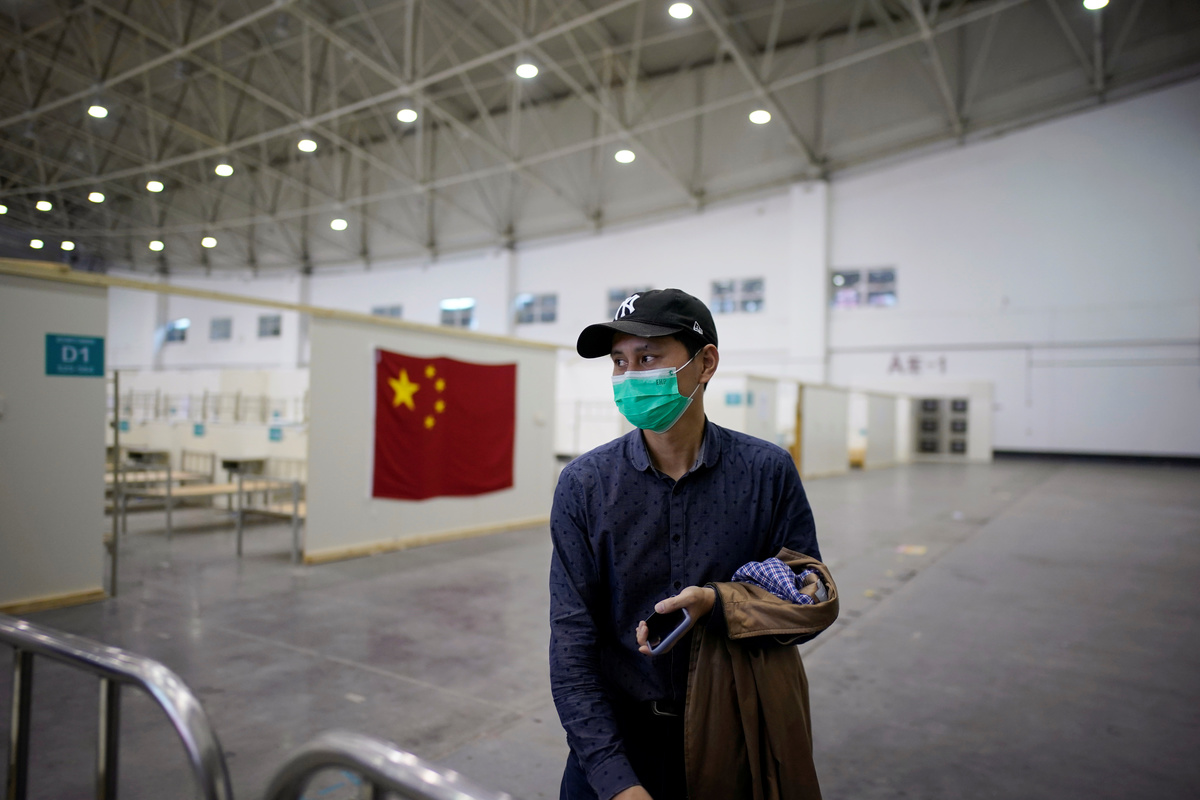
Zhang also said 14 patients in the hospital had recovered from COVID-19 but continued to test positive for the coronavirus. "We currently don't dare to let them out but we may feel that this measure might be wrong in the future," he said, adding that such patients showed "weak" toxicity.
"This virus could be dead already, and has just left behind some of its debris in the cells," Zhang said.
"We are protecting everyone by overdoing protective measures and treatment," he said, adding the longest the hospital has kept the patients so far is for about 60 days.
TIGHTER MEASURES
China reported 56 new asymptomatic cases on Wednesday, bringing the total number of such cases to 657 since data for such infections were published daily from April 1.
The State Council, or Cabinet, published new rules to manage asymptomatic coronavirus carriers late on Wednesday.
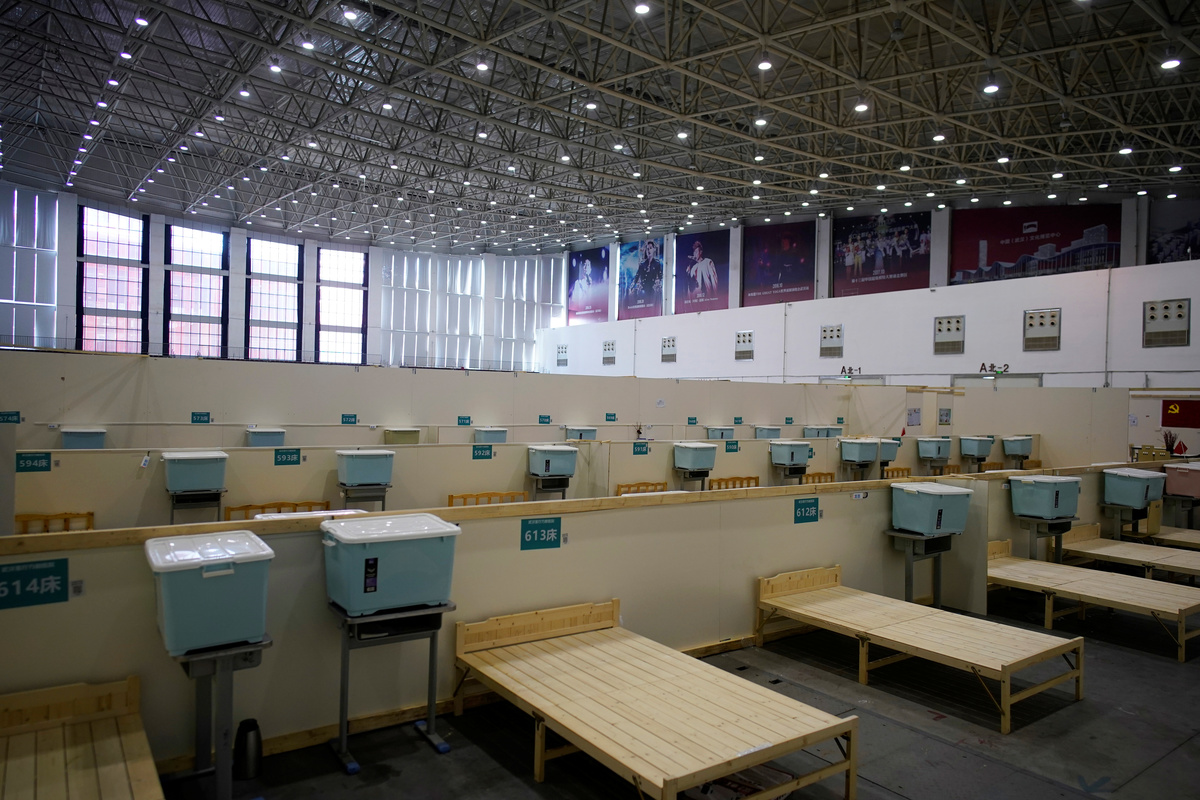
Under the regulations, medical institutions must report detection of asymptomatic cases within two hours of their discovery. Local governments must then identify all known close contacts of the case within 24 hours.
Asymptomatic patients will be quarantined collectively for 14 days, and will be counted as confirmed cases if they start to show symptoms. People who have had close contact with them must also be quarantined for two weeks.
The Beijing government on Thursday announced new guidance for bars in the capital, mandating that tables be set at least one metre (3.3 feet) apart and vigorous disinfecting efforts.
However, in an easing measure, the commercial centre of Shanghai said it would begin reopening some schools from April 27.
IMPORTED CASES
Of the 61 new confirmed cases arriving from overseas, 40 were in China's northeast Heilongjiang province, which shares a border with Russia. All were among returning Chinese nationals, state news agency Xinhua said.
The Heilongjiang city of Suifenhe is building a makeshift hospital to manage the rise in imported cases, the Global Times reported on Thursday, as all of the city's isolation hotels were full.
Suifenhe has closed its borders to all arrivals and implemented restrictions on the movement of its citizens on Wednesday, similar to measures seen in Wuhan.
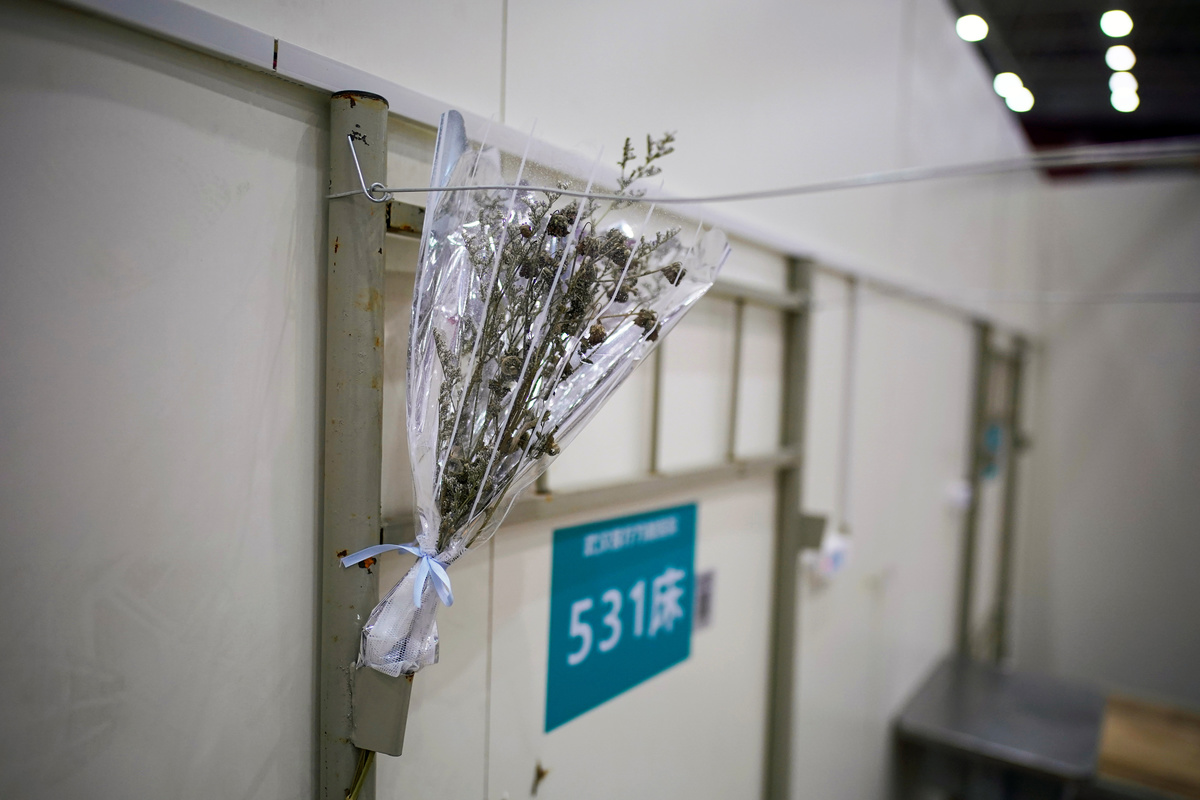
As of Wednesday, 3,335 people in China had died from the virus that causes a flu-like respiratory disease. Wuhan accounts for more than 75% of the fatalities.
Interactive graphic tracking global spread of coronavirus: open https://tmsnrt.rs/3aIRuz7 in an external browser.
(Reporting by Brenda Goh in Wuhan, Ryan Woo, Se Young Lee, Liangping Gao, Stella Qiu, Lusha Zhang, Gabriel Crossley, Yawen Chen in Beijing; Emily Chow and Andrew Galbraith in Shanghai; Editing by Mark Heinrich)