The UK could seek talks with the Taliban to send failed asylum seekers back to Afghanistan for the first time since the fall of Kabul, the home secretary has signalled.
Shabana Mahmood said the UK was “monitoring very closely” what other countries were planning to do amid reports that European nations are planning to explore talks with the Taliban about possible deportations.
Afghans were the most common nationality arriving by small boat to the UK in the year ending June 2025, with 6,360 arrivals, 18 per cent higher than the previous year.
Between 2022 and 2024, nearly 30,000 Afghan nationals claimed asylum in the UK.
The UK government does not recognise the Taliban administration, which is a barrier to sending back those not granted refugee status.
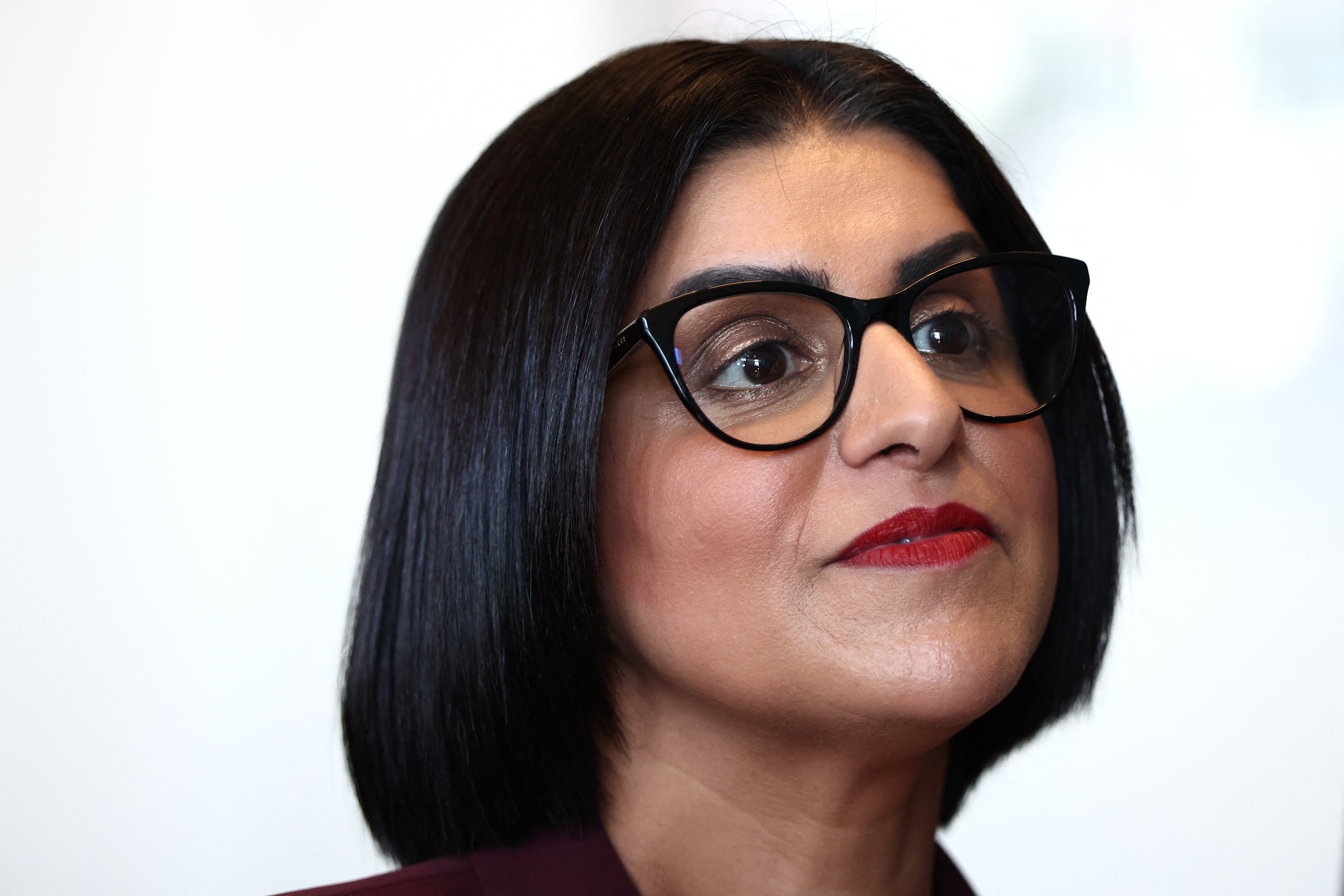
But speaking to reporters, Ms Mahmood said: “We’re monitoring very closely what is happening in terms of other countries, whether that’s European partners or others, and conversations they are having with other countries, including Afghanistan.
“I’m not going to get into any additional discussions that are happening in government – we’ll have more to say about that in the future – but of course we monitor closely and we work with our partners in terms of the efforts that we all need to make collectively to try to get agreements.
“I’m not ruling it in or out. I’m not going to give a running commentary on additional conversations that are happening.”
Such a move, which would be an active reversal of current policy, would spark outrage from humanitarian groups.
Just last month, the United Nations warned Afghanistan was a “graveyard for human rights” that enforces “gender apartheid” using torture and corporal punishment, with women and girls over the age of 11 excluded from formal education and banned from most paid employment.
But the government is facing growing pressure to take drastic measures to bring down migration in the face of growing public anger over the issue and the growing political threat posed by Reform UK.
So far this year, more than 6,000 migrants have arrived in the UK after making the journey, down 36 per cent on the number this time last year.
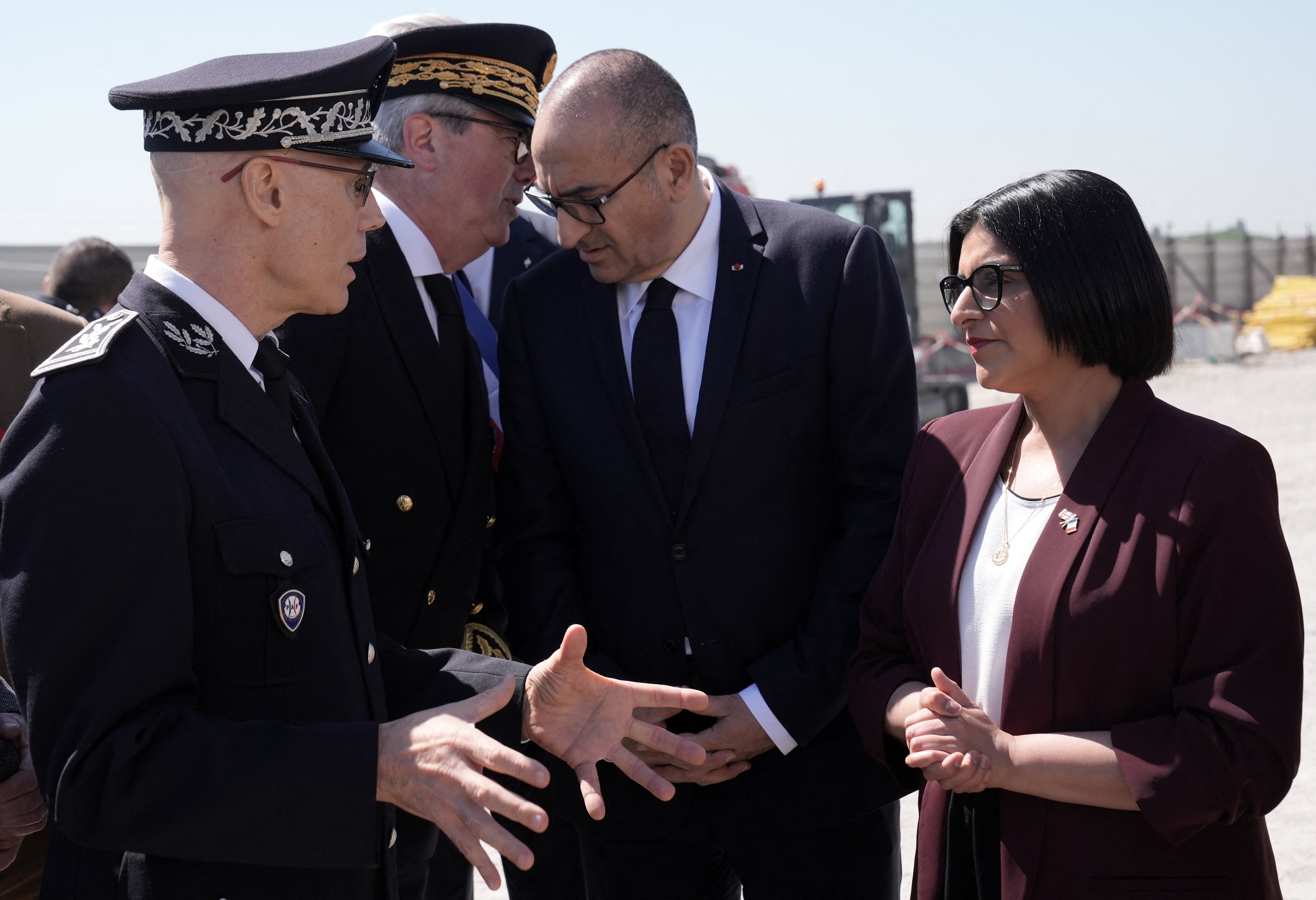
As part of an attempt to escalate the migration crackdown, the home secretary on Thursday signed a new three-year £662m agreement with France, which the government hopes will see French police remove hundreds of migrants from French beaches every year.
The latest developments come despite the High Court this week hearing that families trapped in Afghanistan approved for sanctuary in Britain have stopped being evacuated, despite the defence secretary’s pledge to honour the UK’s debt to them.
Afghans found eligible for relocation to the UK as a result of their previous work alongside the British are no longer being helped to flee the Taliban-run country, according to lawyers and caseworkers supporting those in limbo.
The claims emerged in a case involving two Afghans, who have been approved for UK relocation and who are named FRY and BNM1 to protect their safety. They are challenging the Ministry of Defence (MoD) over the delays to their evacuation.
In a hearing at the Royal Courts of Justice on Wednesday, Tim Owen KC, barrister for claimant FRY, told the judge that “on the face of it, it appears there is a freeze on relocations from Afghanistan”.
Resettlement schemes for Afghans to come to the UK after the Taliban takeover were closed suddenly in July last year, just before a judge lifted an unprecedented MoD superinjunction used to hide a serious data breach affecting thousands of applicants to the Afghan resettlement schemes.
In his statement to parliament after the news of the data breach broke, defence secretary John Healey committed to honour invitations already made to “any named person still in Afghanistan and their immediate family”, adding: “When this nation makes a promise, we should keep it.”
Veteran plans to become first triple amputee to complete London Marathon
Afghanistan calls on Afghans who helped US in war and are now stuck in Qatar to return home
Number of UK dog attack injuries surge by 83 per cent since 2020
Could Trump’s anger over Iran really impact the UK’s Falkland’s claim?
Tories’ political domination in Sussex set for its biggest test in decades
Unpopular Starmer is a hindrance on the doorstep, Labour mayors warn