Tonight is one of the busiest evenings of the year for Christmas parties. Thousands of “Mad Friday” drinkers will stagger out of parties and into taxis – and most behind the wheel of those taxis will be male. In Manchester, less than 0.4 per cent of drivers registered with the city council are women (25 out of the 6,507). Elsewhere, Transport for London’s recent statistics show that only 2.2 per cent of registered drivers are female. Even within that number, individual operators lag behind. At premium private hire firm Addison Lee, which has around 4,000 cars in London, women make up less than one per cent of its workforce. This is despite the fact that many female customers would welcome a woman driver.
“Even when compared to other male-dominated professions, the figures are low,” says Kristiana Wrixon of the Suzy Lamplugh Trust, an organisation that campaigns for better safety in the work place. The trust points to safety concerns as the main reason for the private hire industry’s “women problem”, not least this time of year.
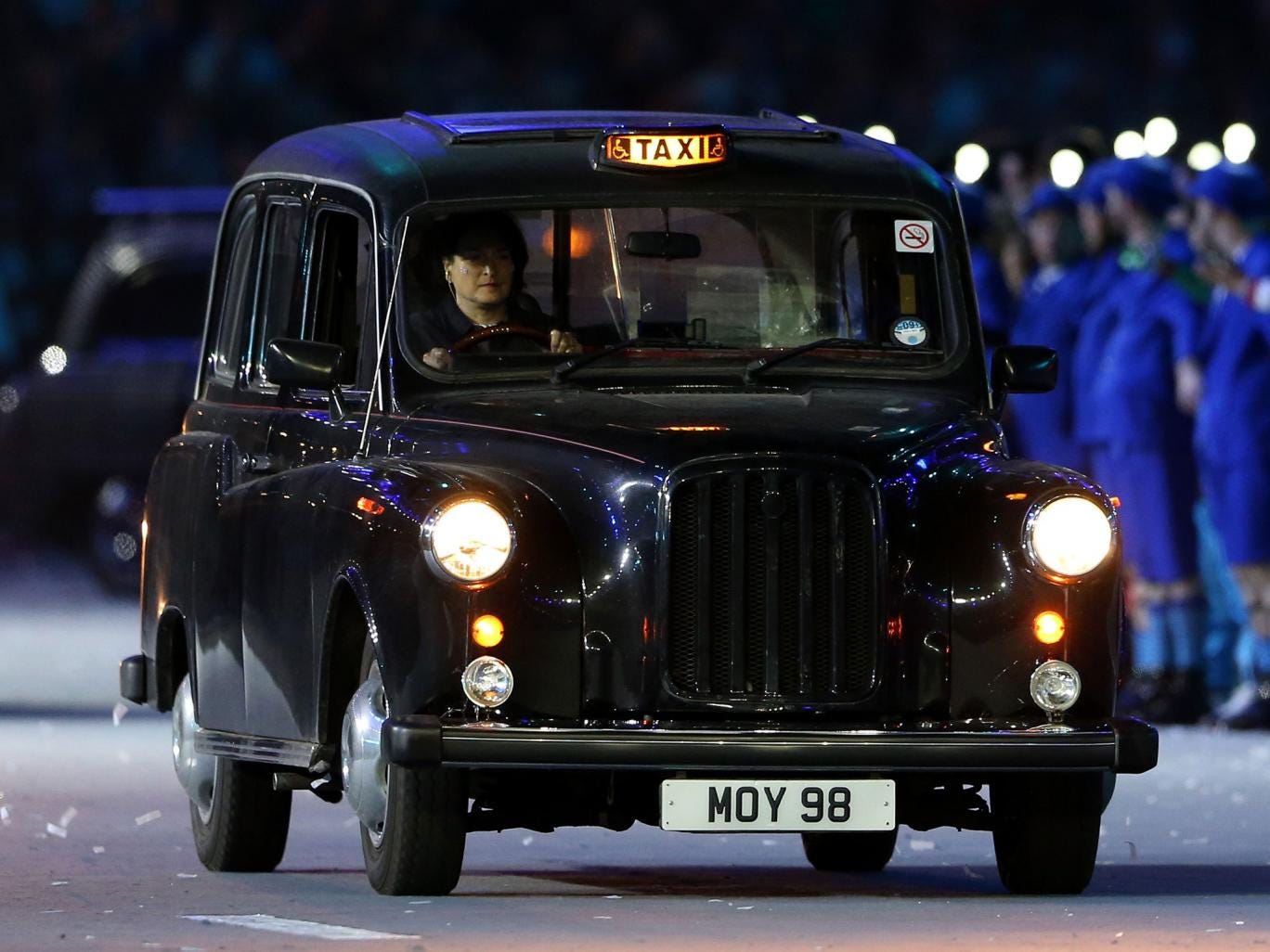
“It’s silly season,” says Tracy Debourde, a London black-cab driver for 20 years. She likens switching her light on during December to “being thrown to the wolves”. Tonight, she will finish earlier than usual, around 1am, and will stick to ranks at the hotels on Park Lane. “You’re probably not going to get someone throwing up their Christmas dinner. You lower your risk level.” Debourde knows what those risks can be. She was robbed for her cash during the day in 1996 after a customer jumped in at Regent Street. “I always lock my doors now, even on a rank. I like to see who’s getting in.” That happened despite the perspex screen that separates drivers from passengers in Hackney cabs.
Virginia Halstead didn’t have the luxury of a screen while working as a minicab driver in Sheffield when she was robbed at knifepoint in June this year, her first such incident in 17 years. She had also taken the precautions available to her – the panic button in the car didn’t work, and because the offender had called from a public phone box, and the firm mistook the customer for a regular. She now works for cashless, online-only firm Uber, which allows drivers to book and pay for rides on an app. “I would have been devastated to give it up. I love the job, and people are always so happy to have a woman driver. I’d still advise any women to do it. You just have to be careful.”
The arrival of the apps also means drivers are trackable on GPS. Toni Wallace, 26, has been driving for Uber since 2014 and works nights around acting work. She says that she finds the tracability reassuring, but as there’s no phone number for Uber, the only option is to email post-trip if there’s a problem.
For career drivers, getting enough work is increasingly hard. Some companies such as Uber and minicab firms only require drivers to have passed the simple topographical test – as well as CRB and other checks – that is part of the private hire (PCO) license. That’s compared to the average four years it takes to get the black cab’s The Knowledge. As a result, London is experiencing a flood of drivers; currently joining at a rate of around 500 a week.
“You just have to work harder,” says Debourde, who took the job because as a single mother she thought it would be easier to manage childcare. The women I spoke to all said flexibility was a big draw. But self-employment means no holiday pay, sick pay, or maternity pay – and the overheads are considerable.
There are limited options for stopping, even when nature calls. “I know where I’m welcome. I’ll wave and the doorman’ll wave back. I’ll take them a box of biscuits at Christmas,” says Katrina Connell, a black cab driver for five years. Wallace makes do with McDonald’s.
The majority of the women I spoke to said they love the job, even though it’s not too female-friendly. Connell’s son was at university when she did The Knowledge. “He said, ‘Mum, you could have got a degree in the same time it took you to do that.’ I said, ‘Yes, but I wouldn’t have had so much fun.’” The industry now just needs to listen to the appreciated female voices in its workforce.