Emmanuel Macron is stepping up France's diplomatic push with Gulf and regional partners, as Iran–US talks got underway in Islamabad, amid hopes of a de-escalation of tensions in the Middle East.
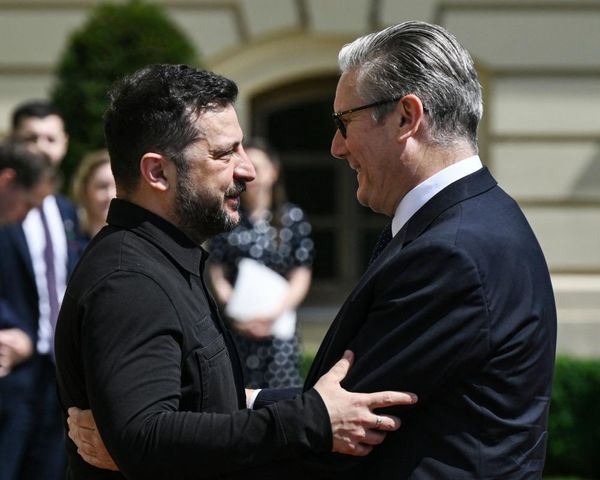
French President Emmanuel Macron and Saudi Crown Prince Mohammed bin Salman agreed on Saturday to stay in “close contact” in a bid to help ease tensions across the Middle East, as fresh negotiations between Iran and the US got under way in Islamabad.
Writing on X after speaking with the Saudi leader, Macron said both sides were committed to supporting de-escalation efforts at a critical moment for regional stability. “As talks have just opened in Islamabad, we have agreed to remain in close contact to help de-escalate tensions, ensure freedom of navigation and reach an agreement to secure lasting peace and security in the region,” he said.
The French president also reiterated his backing for a fragile ceasefire currently holding between Tehran and Washington. He stressed that the truce must be respected in full and swiftly extended to Lebanon, which has been drawn into the wider conflict.
France pushes for wider truce as Iran ceasefire leaves Lebanon out
Ceasefire holds – but tensions linger
The ceasefire between Iran and the US entered its fourth day on Saturday, offering a tentative pause in hostilities. However, uncertainty remains high, with key details of the negotiations – including whether they are being conducted directly or through intermediaries – still unclear.
US Vice-President JD Vance arrived in Islamabad alongside an Iranian delegation, signalling a renewed push for diplomacy despite deep divisions between the two sides.
Macron underlined the urgency of restoring maritime security, particularly in the Strait of Hormuz – a vital artery for global energy supplies. “We discussed the need to restore fully free and safe navigation… as quickly as possible,” he said, pointing to growing international concern over disruptions in the region.
The French leader has also been actively coordinating with regional powers. In a separate call with Turkish President Recep Tayyip Erdogan, Macron again pressed for strict adherence to the ceasefire and called for a “robust and lasting diplomatic solution”.
Israel strikes Beirut without warning, killing dozens in major escalation
Lebanon and regional fault lines
Ankara echoed the diplomatic push, with the Turkish presidency highlighting efforts led by Turkey in coordination with other countries – including Egypt and Pakistan – to secure a broader ceasefire framework.
Erdogan warned against any actions that could undermine the fragile calm in Lebanon, where tensions remain acute. Earlier this week, Israel launched its deadliest strikes of the conflict so far, killing at least 357 people in a single day, according to official figures. The bombardment came in response to attacks by Hezbollah, the Iran-backed movement that has long been at odds with Israel.
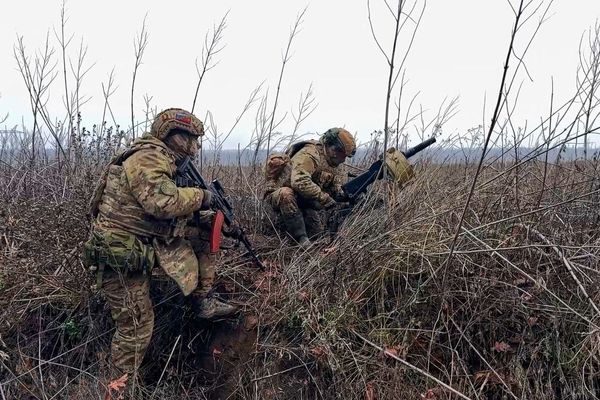
Despite the current truce, disagreements persist between Tehran and Washington over whether Lebanon should be included in any comprehensive peace deal. Israel, for its part, has signalled its intention to continue military operations against Hezbollah, underscoring the fragile nature of the ceasefire.
(With newswires)