Macmillan Cancer Support's purpose is to improve the lives of people affected by cancer and we do that without fear or favour.
We are completely independent of all political parties but talk regularly to MPs about the issues that matter to cancer patients, their families, friends and carers. We do not align ourselves with any political party and we flatly deny these allegations of political bias.
To suggest we have been involved in a "political stitch-up" simply does not reflect the facts. Let's get to the specifics of how we have been campaigning on welfare reform.
Macmillan has three goals for the welfare reform bill:
1. Ensure people with cancer continue to receive critical financial support for as long as their disability limits their ability to work.
2. Ensure people with cancer can receive financial support to help with the extra costs of being disabled as soon as their support needs arise.
3. End the current unjust system where the type of cancer treatment someone receives affects how they are treated in the welfare system.
We have been raising these three issues with the government and in parliament for many months. The Guardian actually wrote a story in March about how 30 cancer charities had written to Iain Duncan Smith, secretary of state for work and pensions, asking for changes to the bill.
We have been working closely with MPs from different parties – Conservative, Labour and Liberal Democrat – while the bill went through committee, briefing regularly and supporting various proposed amendments. We have also had regular meetings with Department for Work and Pensions (DWP) officials.
In advance of the bill's report stage on Monday, we put out a briefing to all interested MPs. All the DWP ministers received this briefing last week.
The briefing praised ministers for instructing Prof Harrington to look at which cancer patients undergoing treatment should be put automatically in what is called the employment and support allowance (ESA) support group. It also said we were still concerned that there had not been sufficient movement from the government on our other areas of concern.
We also put out a press release making clear that if this bill comes into law, nearly 7,000 cancer patients could lose up to £94 a week. Our estimates have now been pored over and ministers have more or less admitted we're right.
The story was picked up by various national papers on Monday. Ed Miliband's team also picked up on the story and contacted us for more details. We sent them our press release and briefing. Both were up on our website. To accuse Macmillan of collusion on this basis would be to accuse virtually every campaigning charity – and probably most large organisations – of collusion.
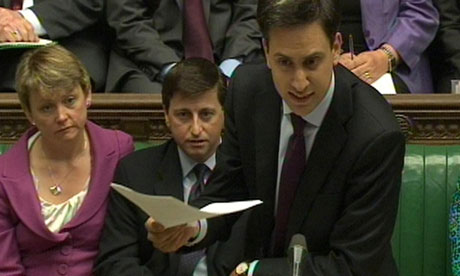
There were three things we knew Ed Miliband was doing on Wednesday at which he could have mentioned Macmillan's campaign – prime minister's questions, a webchat and the report stage of the bill. We did not know when or how he would raise our concerns. We asked his team if it was likely to be PMQs and they said they did not know yet either.
We prepared a generic press response and waited. Naturally, we were very surprised that Miliband decided to use all six questions during PMQs to highlight our concerns over the bill.
The call from the Daily Politics television show to our press office came immediately after the opposition leader sat down. Mike Hobday, our head of campaigns, policy and public affairs, was five minutes away from Westminster. There was no prearrangement with Daily Politics as I'm sure they would happily confirm.
We also immediately put out our a prepared press release knowing it would be a big story.
I spoke with Chris Grayling, employment minister, later in the day making clear we were keen to continue to pursue the same constructive discussions with government to address our very real concerns about the welfare reform bill.
After the report stage, we praised the government for announcing they are willing to continue listening about disability living allowance reforms.
Last week, both David Cameron, and the secretary of state for health Andrew Lansley, stood up in the house and highlighted the support we had given the coalition government over NHS reforms and the Cancer Drugs Fund.
Actually, it was Mike Hobday who very publicly praised the government. He did so because the government had got it right.
We all care passionately at Macmillan and the most important thing in all this is that up to 7,000 vulnerable cancer patients – and hundreds of thousands more disabled people – are going to lose up to £94 per week unless the welfare reform bill is amended.
As a cancer charity it is our duty to speak up for them. As the bill enters the Lords we will be talking to Labour, Conservative, Lib Dem and cross-benchers telling everyone the same story in the hope that as many peers as possible will support people affected by cancer.
Ciarán Devane is chief executive of Macmillan Cancer Support
If you would like to read Guido Fawkes's article, click here
This content is brought to you by Guardian Professional. To join the voluntary sector network, click here.