Lyme disease is a bacterial infection which can lead to severe mental and physical problems if not caught early enough - and a new report claims that thousands of UK cases could be going undiagnosed.
According to The National Institute of Health and Care Excellence (NICE), the 3,000 cases of Lyme disease reported in the UK could be an underestimate because neither GPs nor hospital clinicians are obligated to report the number of cases.
High-risk areas for infected ticks are the south of England and the Scottish Highlands, NICE claimed in their most recent guidelines, though infection is possible in other areas.
So, what exactly is Lyme disease and how is it transmitted?
What is Lyme disease?
Lyme disease is an infectious disease caused by the bacterium Borrelia burgdorferi.
It is typically spread to humans via infected ticks, which will have already bitten an infected animal such as a mouse, vole or hedgehog.
Ticks with Lyme disease can be found across the UK, but are most prevalent in grassy, wooded areas.
They are most active between March and October.
The disease was first reported in the US in 1977 in Old Lyme, Connecticut, hence how it acquired its name.
What are the symptoms?
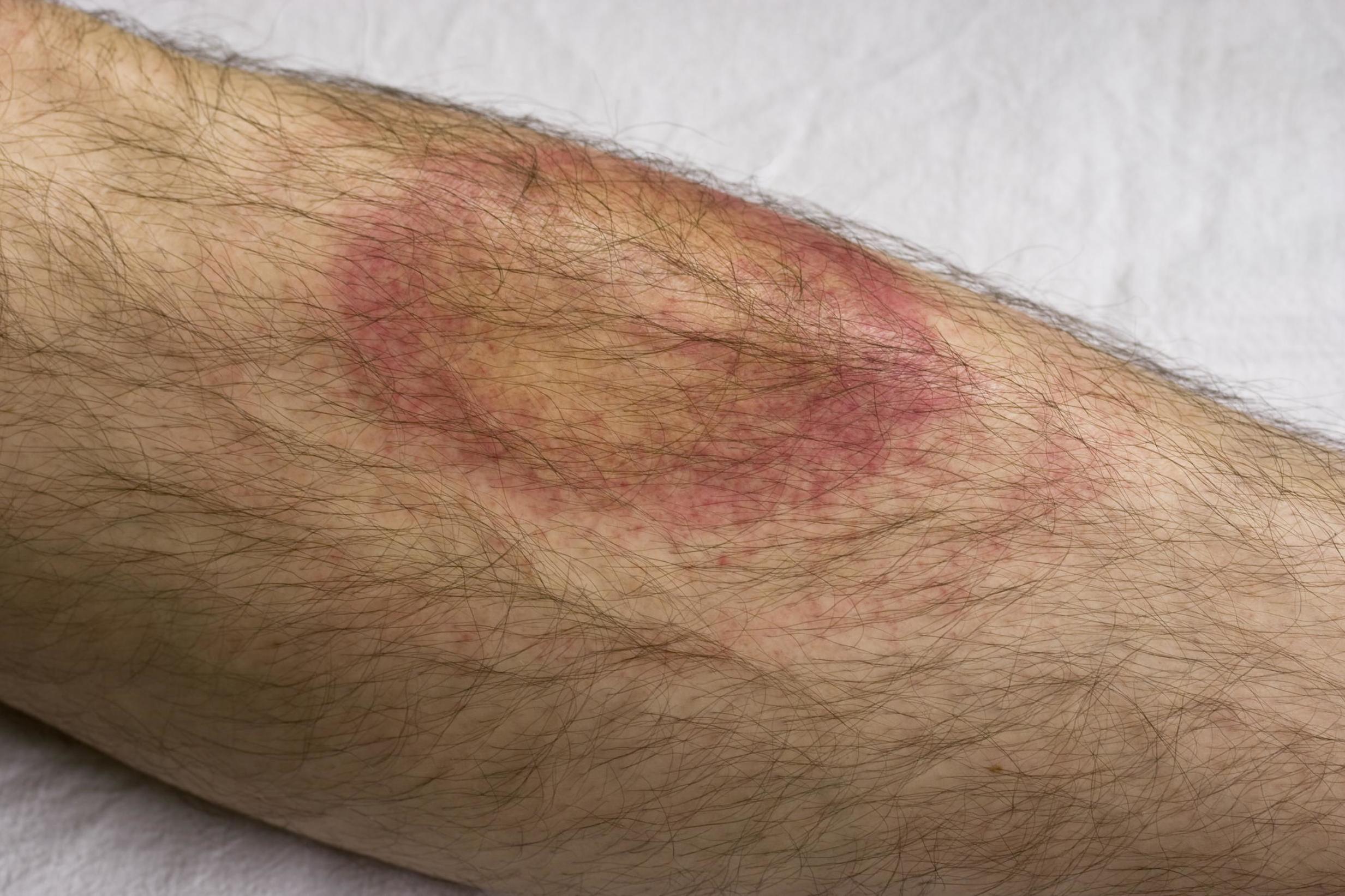
Symptoms can differ from person to person, but most people with Lyme will develop a circular red rash around the tick bite within four weeks of being bitten.
However, not all those infected will develop a rash, the NHS states, with some people experiencing flu-like symptoms, such as headaches, joint pain and a high temperature.
While most tick bites are harmless, you are advised to seek help from your GP if you’ve recently been bitten by a tick and subsequently experience the aforementioned symptoms.
Research has also linked Lyme disease to a series of neurological conditions, such as depression and anxiety.
How is it treated?
Lyme disease is usually treated with a course of antibiotics prescribed by a GP.
Those experiencing severe symptoms - such as extreme fatigue, chronic pain and/or depression - may be referred to a specialist for stronger antibiotics.
The majority of those infected will make a full recovery within a few months.
However, infection does not lead to lifelong immunity and it is possible for sufferers to be re-infected and develop the disease again.
How can you prevent it?
The NHS advises covering your skin when walking in wooded and grassy areas, suggesting tucking your trousers into your socks.
Insect repellant can also be helpful in detracting ticks, while wearing light-coloured clothing can make them easier to spot and brush off.
What to do if you’re bitten by a tick
If you are bitten by a tick, you may not necessarily notice it as they aren’t always painful.
If you spot one on your skin, you should use either tweezers or a specialist tick-removal tool to pull it upwards and out of your skin.
Dispose of the tick safely, ensuring you do not squeeze it, and clean the bitten area with antiseptic.