The co-founder of Lush has said those who oppose his views on key issues such as Gaza shouldn’t shop in his stores.
Mark Constantine OBE, who led a shutdown of Lush stores earlier this year in solidarity with people in Gaza, said people “shouldn’t come into my shop” if they disagreed with his stance.
Speaking on the BBC’s Big Boss Interview podcast, Mr Constantine said he believed in being “kind, sympathetic and compassionate”, and said people are “not going to get on very well with me” if they are “unkind to others”.
He said: “I’m often called left wing because I’m interested in compassion. I don’t think being compassionate has a political stance. I think being kind, being sympathetic, being compassionate is something we’re all capable of and all want to do in certain areas.”
When asked whether his stances could impact business, for example, if someone decided not to shop at Lush due to his stance on Gaza, he said: “Absolutely, that’s what you [the shopper] should do. You shouldn’t come into my shop. Because I’m going to take those profits you’re giving me and I’m going to do more of that – so you absolutely shouldn’t support me.
“The only problem is, who are you going to support? And what are you supporting when you do that? What is your position?”
He added: “I think it’s up to people if they want to fox hunt and shoot pheasants, it’s up to them, but I don’t approve of it.”
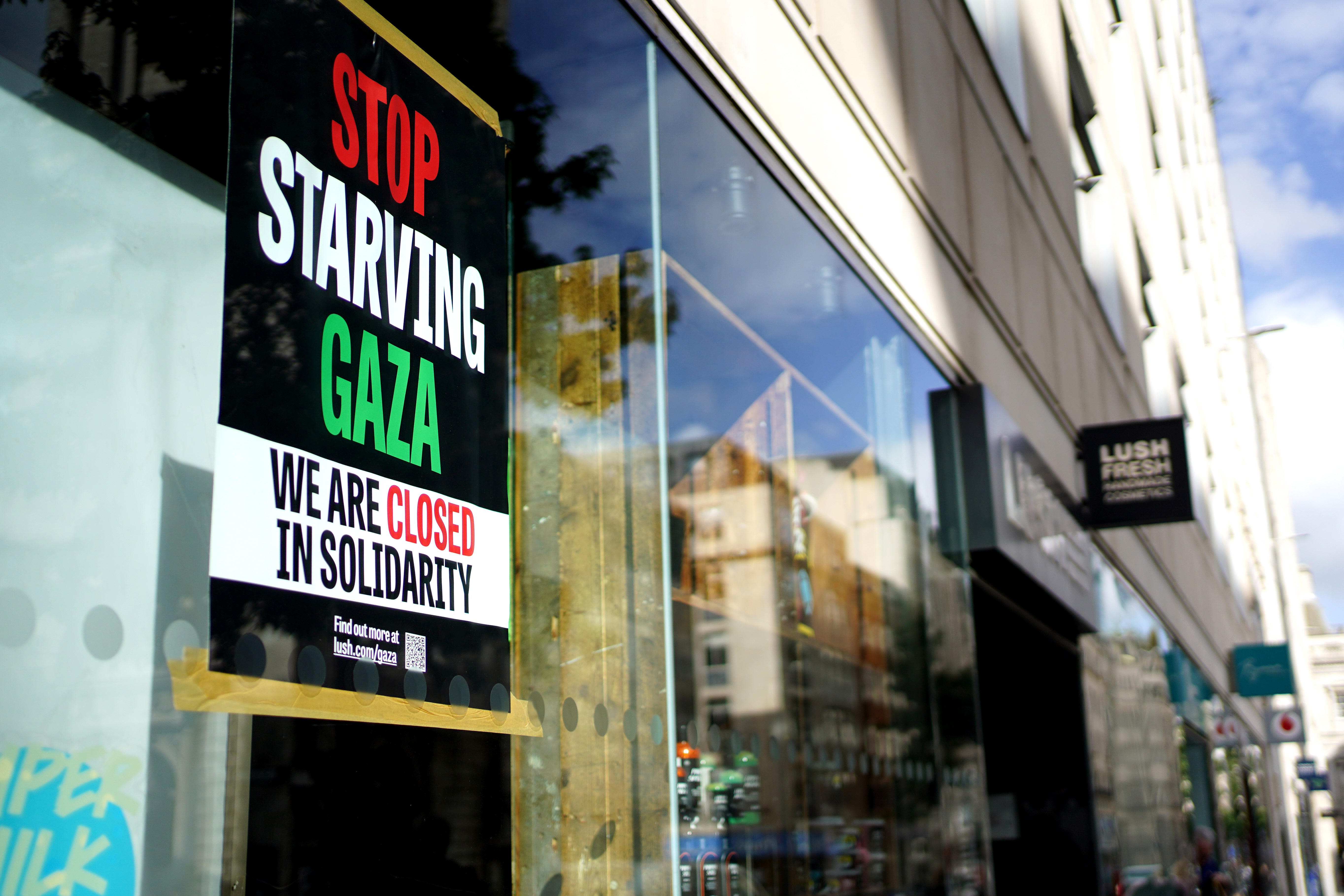
In September, the cosmetics chain shut all of its UK stores and closed its website for the day in solidarity with people starving in Gaza.
In a statement on its website, the company said: “Across the Lush business we share the anguish that millions of people feel seeing the images of starving people in Gaza, Palestine.”
The business, which trades in more than 50 countries, said it had put messages in the windows of closed shops which read: “Stop starving Gaza, we are closed in solidarity.”
Speaking on the BBC podcast, Mr Constantine also criticised changes made by the government on inheritance tax, from 6 April 2026, which will see the removal of the full exemption for family businesses, with only the first £1m to be tax free.
“They don’t understand the strength of family businesses … and they have been sold a belief in a greedy culture,” he said, adding there was a risk people would sell businesses rather than pay inheritance tax bills.