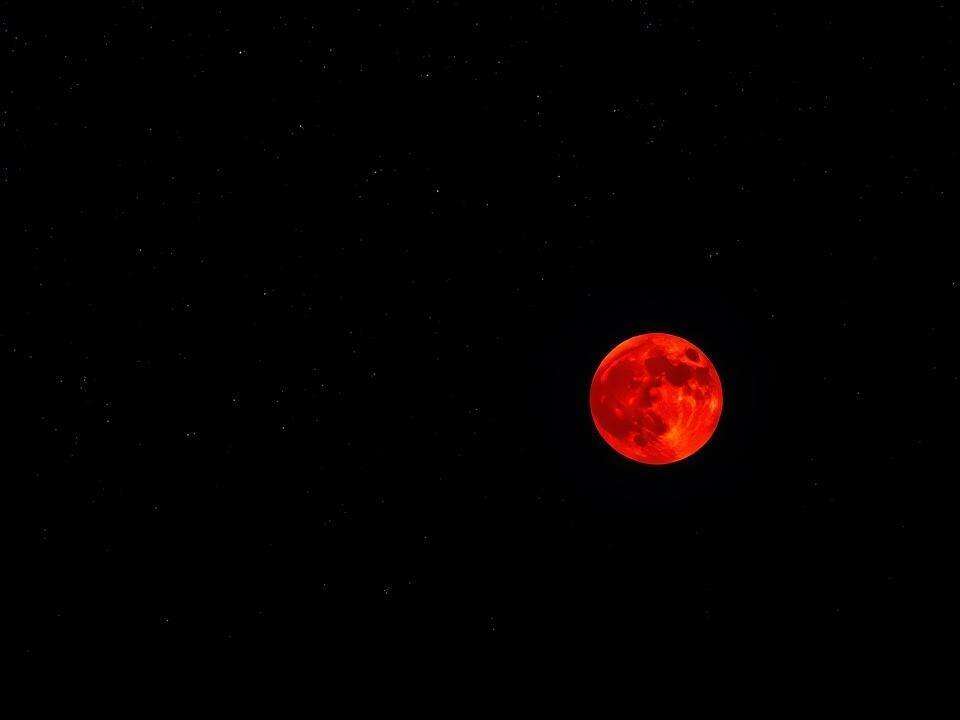
A lunar eclipse, or Chandra Grahan, is a celestial event that has been surrounded by myths and traditions for centuries. Across different cultures, pregnant women are advised to follow specific rituals and precautions during an eclipse to safeguard their well-being and that of their unborn child. While science reassures us that lunar eclipses are completely natural and pose no physical harm, many expecting mothers choose to follow cultural traditions for peace of mind.
The upcoming total lunar eclipse on March 13-14, 2025, also known as a Blood Moon, will be visible across many parts of the world. If you’re an expecting mother, here’s everything you need to know about the eclipse, the traditional beliefs, scientific perspectives, and practical recommendations to maintain your well-being.

What is a Lunar Eclipse and why does it happen?
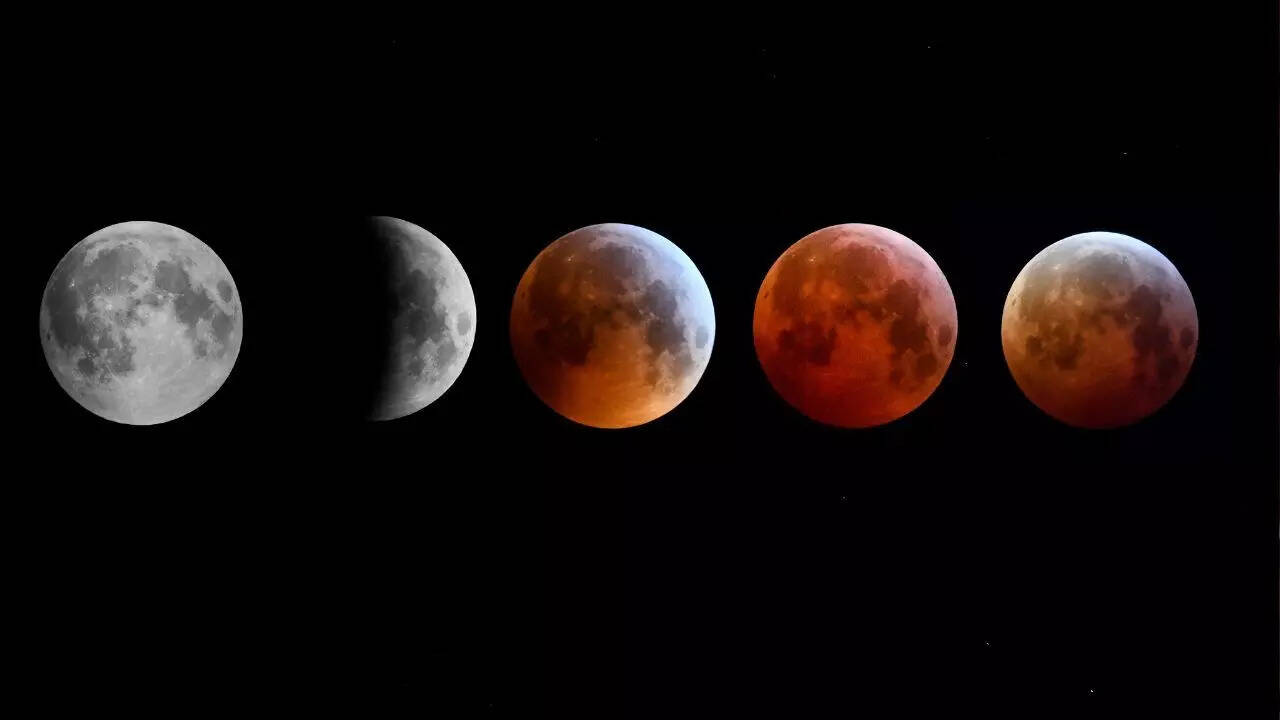
A lunar eclipse occurs when the Earth comes between the Sun and the Moon, casting a shadow that blocks sunlight from reaching the Moon. This celestial event can be categorised into three types:
Total lunar eclipse – The entire Moon passes through Earth’s shadow, giving it a reddish hue, commonly called a Blood Moon.
Unlike solar eclipses, which require special precautions to avoid eye damage, lunar eclipses are completely safe to observe with the naked eye. However, many cultures around the world have attached traditional beliefs and superstitions to this phenomenon, especially regarding pregnant women.

Traditional beliefs around lunar eclipses and pregnancy
Throughout history, many cultures have linked Chandra Grahan with potential risks to pregnant women. Some of the most common beliefs include:
Staying indoors
It is widely believed that pregnant women should avoid going outside during a lunar eclipse. Some cultures fear that the moon’s shadow may affect fetal development or lead to birth defects. While there is no scientific basis for this belief, many expecting mothers prefer to stay indoors for reassurance.
Avoiding sharp objects
According to folklore, using sharp objects like scissors, knives, or needles during an eclipse may cause birthmarks or deformities in the baby. Again, this claim lacks scientific evidence, but if following this tradition offers peace of mind, it does no harm to temporarily avoid these objects.
Not eating or drinking during the eclipse
Many cultures recommend that pregnant women avoid consuming food or drinks during an eclipse, believing that it may become “tainted” by harmful radiation. Scientifically, no eclipse emits any harmful radiation that can affect food or water. However, skipping meals for long periods may cause dizziness or weakness, which is not advisable for pregnant women.
Avoiding direct viewing of the eclipse
Some traditions caution against looking directly at the eclipse, fearing it could harm the baby’s development. In reality, a lunar eclipse is completely safe to watch, unlike a solar eclipse, which requires protective eyewear.
Practising spiritual practices
Many families encourage chanting mantras, praying, or meditating during an eclipse to create a positive environment. While not scientifically necessary, such practices can reduce stress and promote emotional well-being, which is beneficial during pregnancy.
Scientific perspective on lunar eclipses and pregnancy
From a scientific standpoint, lunar eclipses are completely harmless to humans, including pregnant women. Here are some key facts:
A lunar eclipse is merely the Earth’s shadow falling on the Moon and does not emit harmful radiation.
Practical tips for pregnant women during the lunar eclipse
If you are pregnant and worried about Chandra Grahan, here are some balanced recommendations to ensure your well-being:
Your comfort and well-being comes first
Eat nutritious foods and stay hydrated
If cultural traditions suggest fasting, ensure you are well-nourished before and after the eclipse.
Drink plenty of water to avoid dehydration.
If you have any doubts about how the eclipse might affect your pregnancy, talk to your doctor. Healthcare professionals can clarify misconceptions and provide medically accurate advice.
It’s okay to respect cultural beliefs while understanding that scientifically, lunar eclipses do not pose harm.
If your family follows certain rituals, participate only if they make you feel safe and positive.
Avoid unnecessary restrictions that could impact your health negatively.
The Lunar Eclipse 2025 is an astronomical wonder that carries different meanings across cultures. While scientific research confirms that eclipses pose no risk to pregnant women, traditional beliefs remain strong in many communities.
So, if you are an expecting mother during Chandra Grahan 2025, stay informed, stay comfortable, and enjoy this beautiful celestial event your way!