LONDON (Reuters) - Criticism of Formula One's "ugly" new head protection device should subside once the new season has started, Williams technical boss Paddy Lowe said.
Located in front and around the driver's helmet to protect it from heavy objects, the "halo" is the big novelty for the 2018 championship starting in Australia on March. 25.
But it has also changed the look of the car, drawing criticism from some fans and drivers. Red Bull's Max Verstappen said this week that it would be 'very ugly' and was not something he was looking forward to.
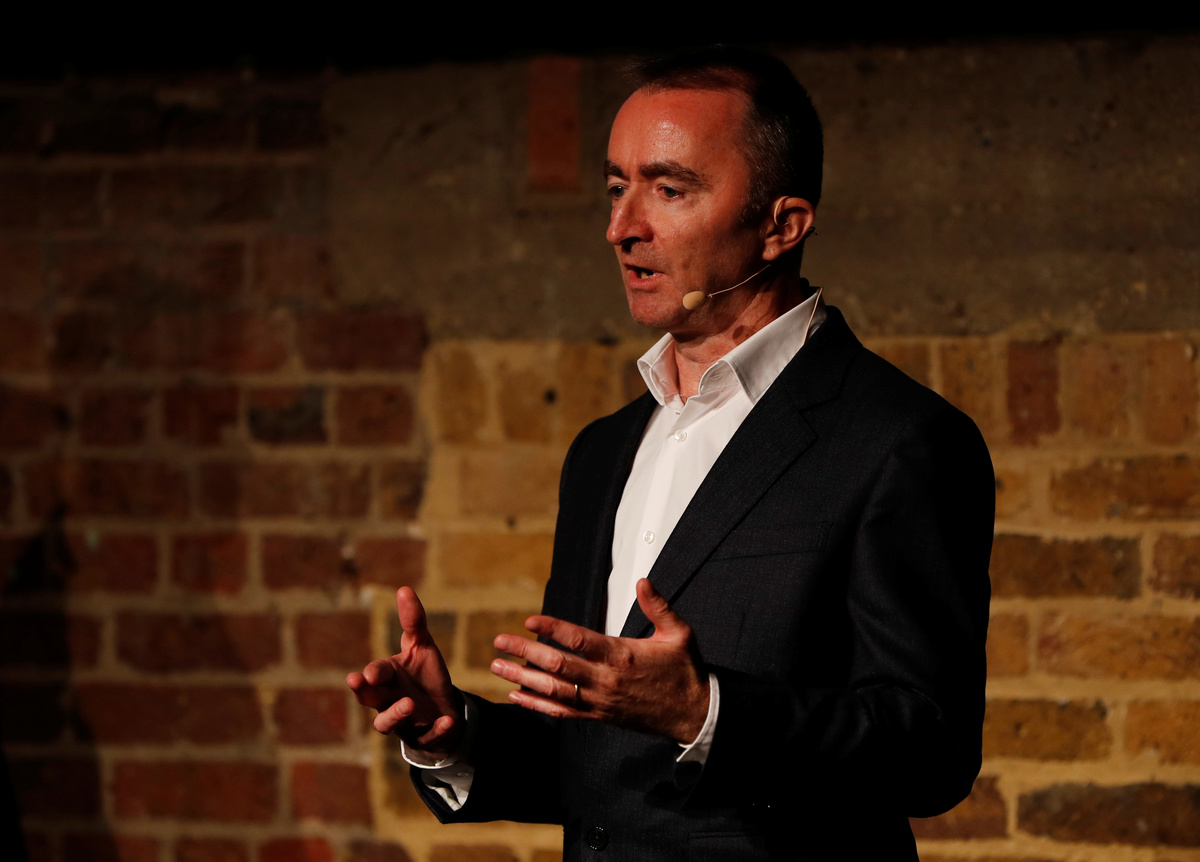
Lowe told reporters at a team launch on Thursday that the safety benefits far outweighed any other considerations.
"I've been a big supporter of making some improvement in that area which is the biggest remaining risk in Formula One to the drivers," he said, adding:
"I think by the second race nobody will notice it any more."
The last driver fatality as a consequence of a race accident was that of Frenchman Jules Bianchi, who suffered severe head injuries when his car skidded into a trackside tractor at the 2014 Japanese Grand Prix.
Lowe suggested Formula One had been riding its luck.
"We’ve had roughly once per year, for the last two years that I’ve been looking out, an event where you go 'that really was lucky, someone got away with it there'," he added.
"I think it would only be a matter of time before we weren’t saying somebody’s been lucky, but they were unlucky. So that’s a really good project."
Lowe said the halo was designed more to protect the driver from whole cars, or wheels, rather than the sort of debris that struck Brazilian Felipe Massa, who suffered life-threatening head injuries when he was hit on the helmet by a bouncing spring in qualifying for the 2009 Hungarian Grand Prix.
Incorporating the "halo", which weighs some seven kilos and can bear the weight of a London double-decker bus, had been the major technical challenge, Lowe said, adding that the aerodynamic consequences were insignificant.
(Reporting by Alan Baldwin; editing by Alexander SMith)