Low-price smartphone operators affiliated with major mobile phone companies are introducing new billing plans with much lower prices and easing restrictions on communications speed.
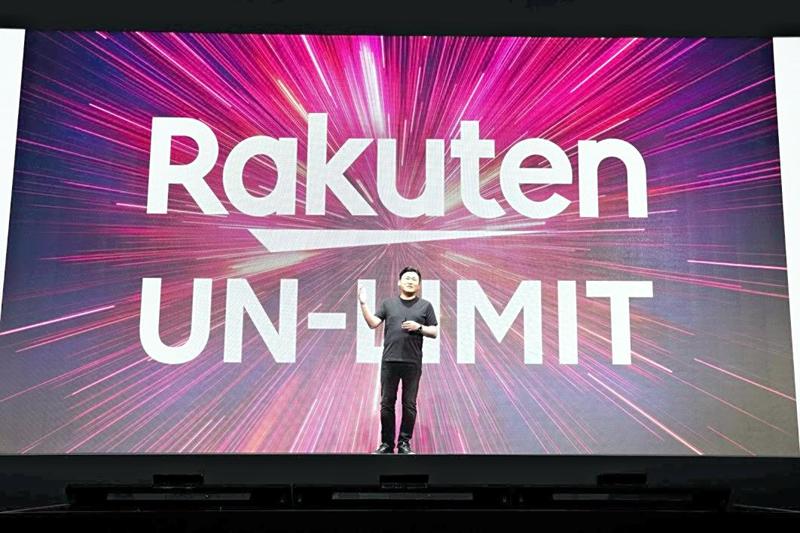
The move is seen as a clear response to Rakuten Mobile Inc., which entered the mobile phone business in full-scale in April this year, offering much lower prices than those of the big three carriers.
SoftBank Corp. announced Monday that it will review pricing for its discount brand Y!mobile starting July 1. The company plans to increase monthly capacity for high-speed communications from 9 gigabytes to 10 gigabytes, while keeping its current monthly charge of 2,480, yen excluding tax, unchanged. At the same time, communications speed will be increased from a maximum of 128 kilobits per second to one megabit per second.
Simply put, speed will increase by about eight times.
Meanwhile, UQ Communications Inc., a subsidiary of KDDI Corp., introduced a new plan earlier this month to lift its communications speed from 300 kilobits to one megabit after usage reaches capacity.
One megabit per second is a big appeal. Video viewing was difficult at previous levels with Y!mobile and UQ, and there were times when searching the internet was slow. As a result, users typically pay extra to maintain high-speed communications.
However, Rakuten Mobile, which entered the market in earnest, has decided to allow unlimited use of high-speed communications on its own lines, and set up a novel system in which KDDI lines will be used in local areas, even if capacity exceeds five gigabytes. When using KDDI lines after reaching capacity, speed will be set to one megabit per second.
Other low-price operators were forced to act because Rakuten Mobile offered comparable rates while setting its own communication network.
According to private research firm MM Research Institute, as of the end of September 2019, the number of low-price smartphones in Japan was 14.05 million, up 16.8% percent from the year before. If low-price smartphone operators improve their services to maintain high-speed communications at low prices, transfer from major carriers may accelerate, leading to lower rates, which are considered more expensive than in other countries.
NTT Docomo Inc. is the only major Japan mobile carrier that does not have a discount brand, which could be the center of attention when launched.
Read more from The Japan News at https://japannews.yomiuri.co.jp/