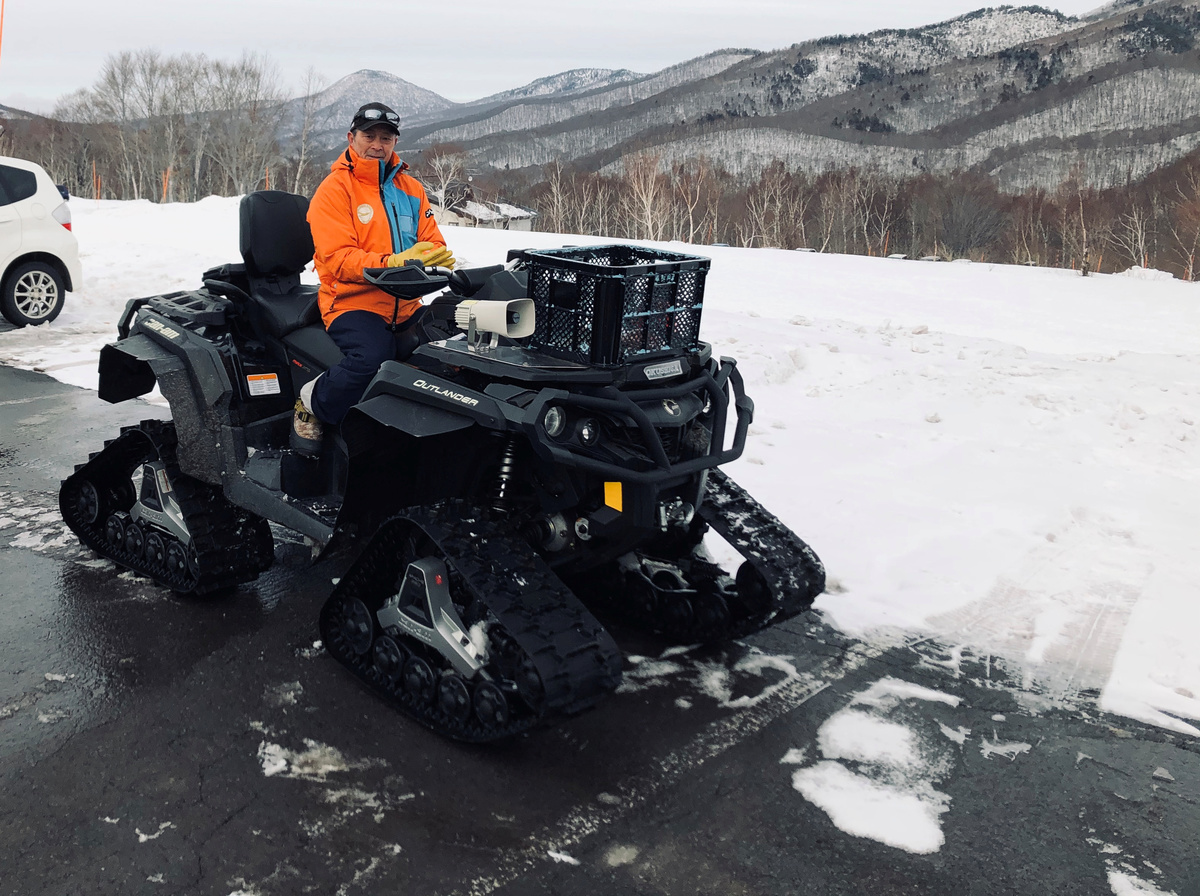
A plan to use snow collected in Japan's mountains to cool 2020 Olympics venues this summer is being stymied by snowfalls on track to be the lowest on record, according to officials involved.
Authorities in Minami-Uonuma in Niigata prefecture north of Tokyo have been trying to collect and store snow to bring by train to Olympic soccer and basketball venues.
The snow will be used to cool buildings and also be handed out in packs to spectators approaching the venues in a project costing about 54 million yen (3,79,462 pounds).
With temperatures around Tokyo often rising to 40 degrees Celsius (104 degrees Fahrenheit) in summer, organisers are also planning to use mist sprays and water stations to refresh attendees.
Ever since Alexander the Great enjoyed honey and nectar flavoured snow in the 4th century BC, snow has been used to cool everything from food to fortresses. In Norway, Oslo airport uses snow stored during the winter for summer use to cool buildings.
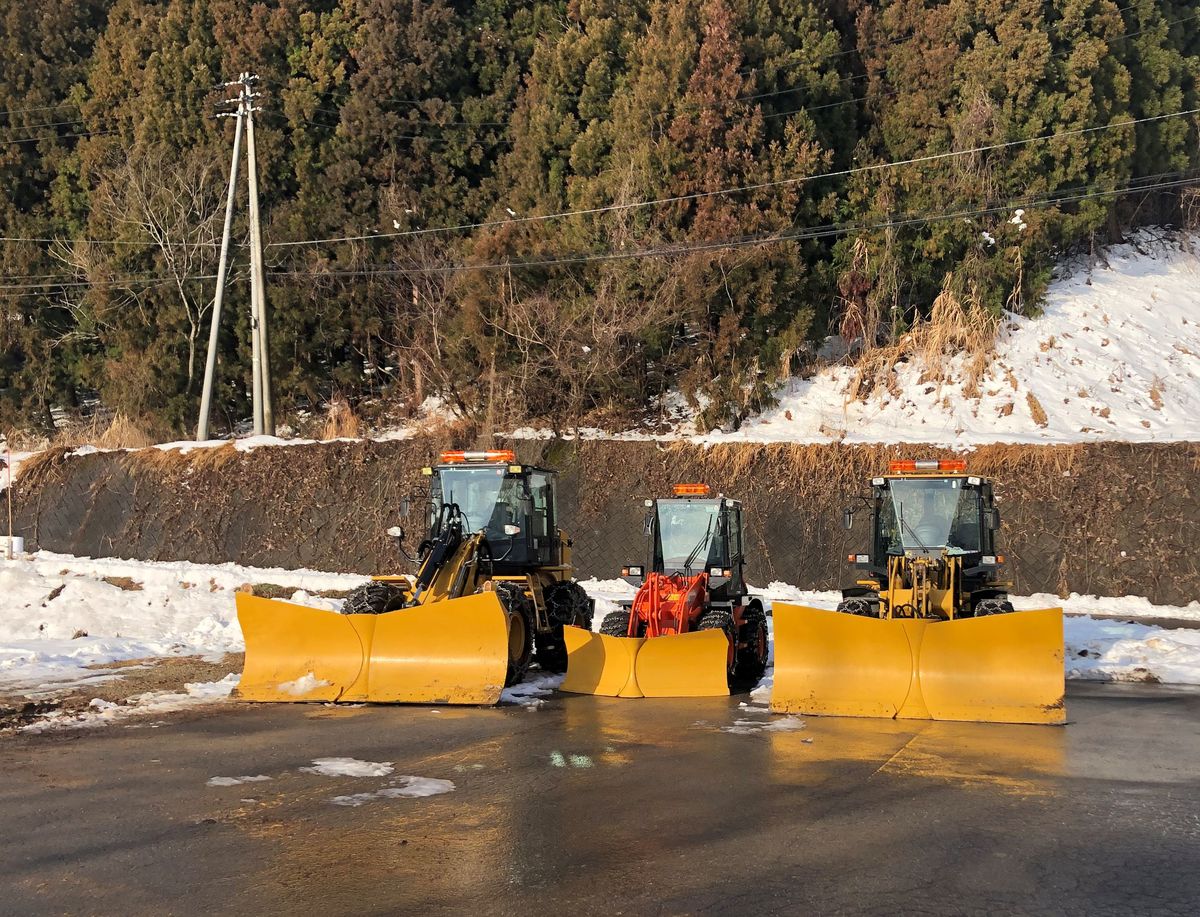
But Japan's lack of snow this year has forced a rethink.
"We had to change the snow-gathering site from last year to an area where we can expect more snow," Mutsumi Seki, the manager in charge of the project at Minami-Uonuma told Reuters.
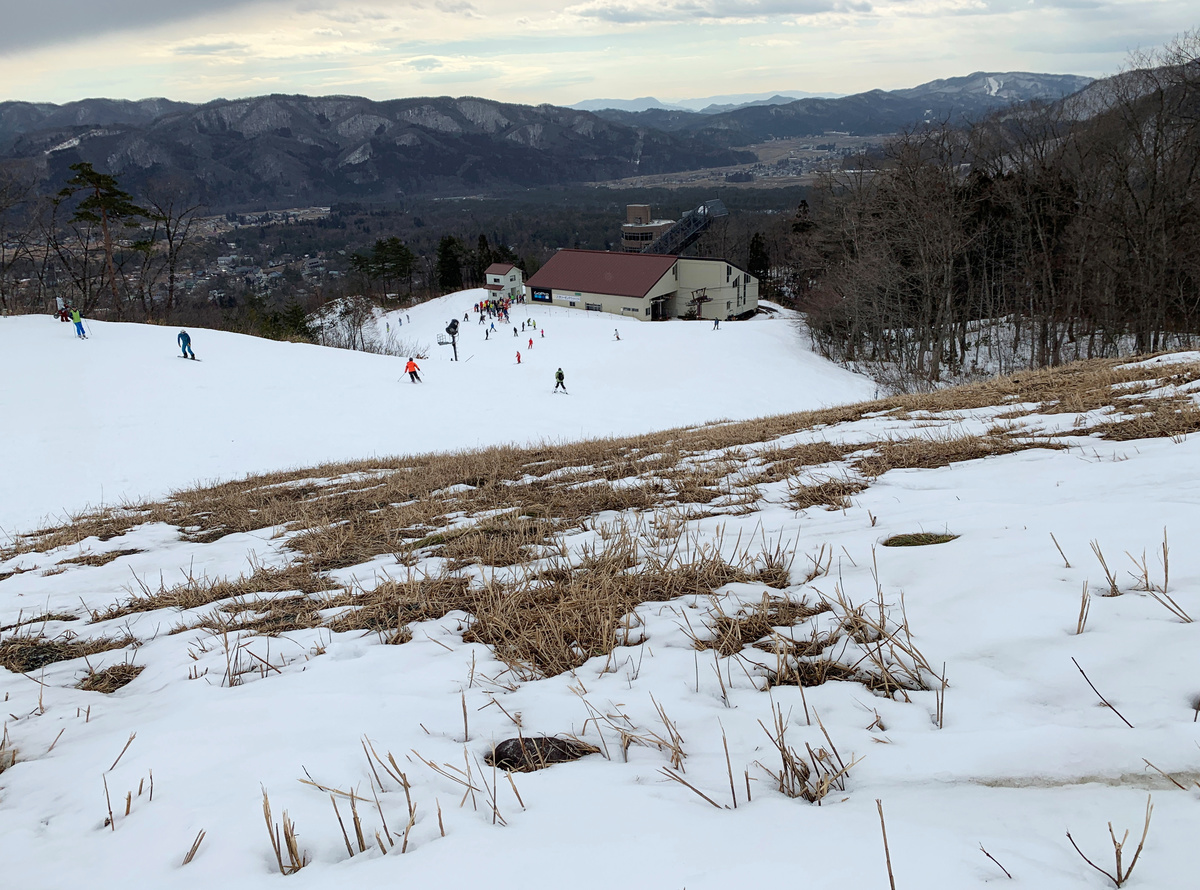
Still, the city has only collected 1,400 cubic metres (49,000 cubic feet) of snow, compared with 2,000 cubic metres (70,000 cubic feet) last year, when it tested the viability of the plan.
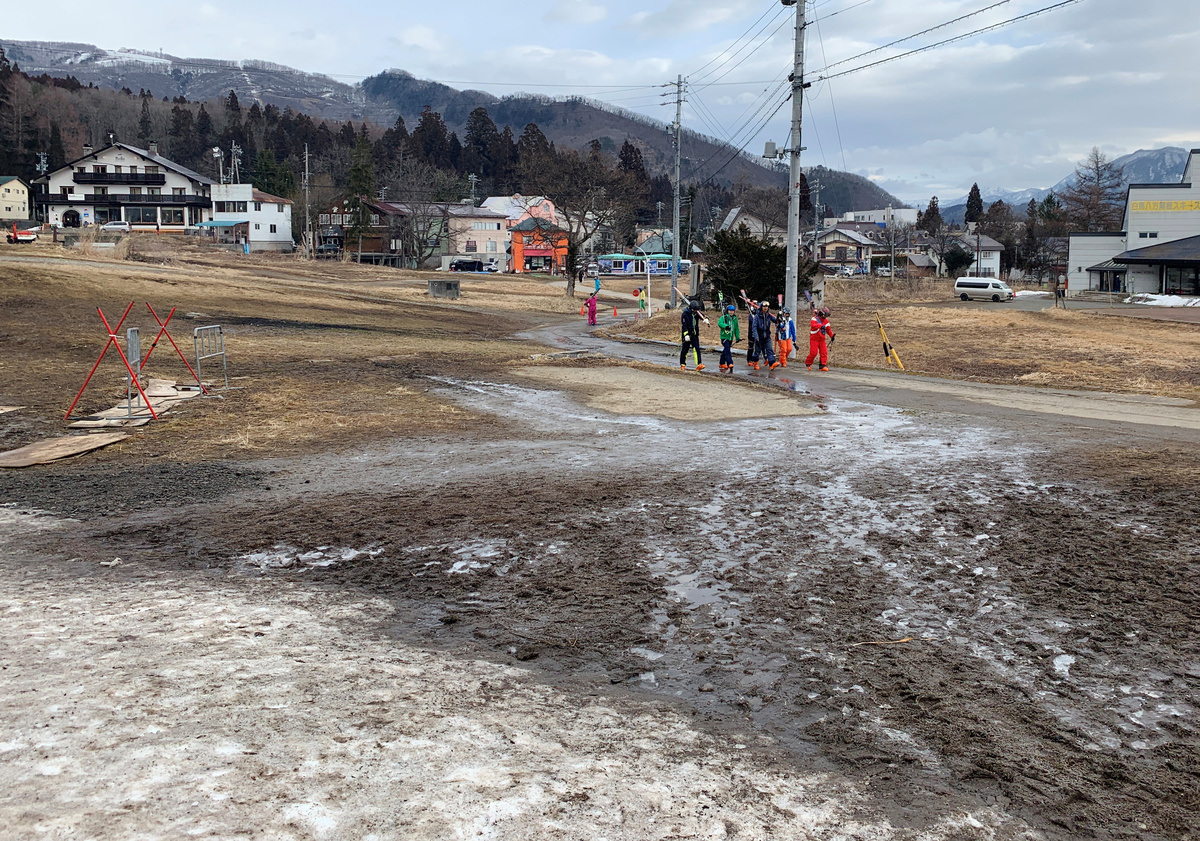
Snow depths this winter in Niigata, which usually boasts some of Japan's heaviest falls, are on track to be the lowest since records began in 1981, based on data on the JMA website.
Maximum snow depths in areas along the Sea of Japan decreased by as much as 15% per decade in the years between 1962 and 2016, according to a Ministry of Environment study in 2018.
"The warmth in Japan is part of a much larger pattern of unusual warmth around the entire Northern hemisphere this winter," Professor Michael Mann, director of the Earth System Science Center at Pennsylvania State University, adding "this larger pattern of warmth is connected to human-caused planetary warming."
Masami Yashima, the manager of the Okushigakogen resort in Nagano next to Niigata, also believes global warming is behind the poor snowfall.
"There's very little snow. About a third of what we get here every year," he said. "It's very painful."
GRAPHIC: Temperatures at the Summer Olympics https://graphics.reuters.com/OLYMPICS-2020-WEATHER/0100B5702XK/WEATHER.jpg
(Reporting by Aaron Sheldrick in Nagano and Nobuhiro Kubo in Tokyo)