Many in the charity sector continue to mourn the result of the EU referendum, but we should praise Brexit, not bury it.
It is clear that Britain has not been working for the majority, and the referendum result highlighted the widening inequalities that affect so many lives, and has put them at the top of the political agenda.
Over the centuries, western democracies have proved remarkably resilient. But in facing up to the social consequences of globalisation and technology, large swaths of civil society are fragmented, under-resourced and subservient to the state and big business.
To avoid simply subsidising poverty and propping up the status quo, we need to embrace the referendum result and resist wallowing in the politics of blame and recrimination, which will only further polarise already disenfranchised sections of our society further.
A scenario in which Britain leaves the European Union presents charities, in particular, with a distinctive role – not least because many of the people we work for, and with, voted for it. The idea of regaining control of our political and financial destiny, breaking down barriers, and being a free agent in the world is at the heart of this role.
Some of the most dynamic thinking is taking place within the office of the new mayor of London. Sadiq Khan’s hands-on approach to social integration and community cohesion, to help people reconnect with society and national politics, celebrates the freedoms that permit and cherish diversity. His ambitions go beyond improving social ties and mutual trust, to helping communities flourish, boosting social mobility and enhancing health outcomes – what Khan calls a formula for a “more productive, healthier, safer and, ultimately, more prosperous city for everyone”.
I believe that implicit in this vision, which requires the promotion of social integration in every area – from education and planning to charities and transport – is a new strategic relationship between London’s local government and civil society. It’s a positive response to some of the capital’s most challenging long-term issues, and we should grasp it.
Of course, what works in London doesn’t always work in Newcastle or Southend, and the EU referendum revealed profound differences between communities – far more complex than the simple narrative of London against the rest of the country. In her response to the referendum result, Theresa May recognised the grim realities of life many people in Britain face, proclaiming that her government will “make Britain a country that works not for a privileged few, but for every one of us”.
But in response to long-term decaying social capital and infrastructure, government tends to rush in with quick fixes. Civil society takes a longer-term view and needs to work with the prime minister to establish a sustainable policy framework that addresses the deep systemic problems.
Answering the prime minister’s call to arms for social justice will require all the resources of the state, but civil society organisations are the pathfinders, innovators and canaries in the cage. We know the local context, the patterns of deprivation, the things that work and, crucially, those that don’t.
Love it or hate it, the EU referendum result vindicates much of what civil society has been warning about for years. Addressing the social issues it has so starkly highlighted is already leading to new strategic thinking by national and local governments about the role and function of civil society. Brexit offers a positive opportunity for those left behind in our society to reconnect with society and politics. We should grasp the opportunity.
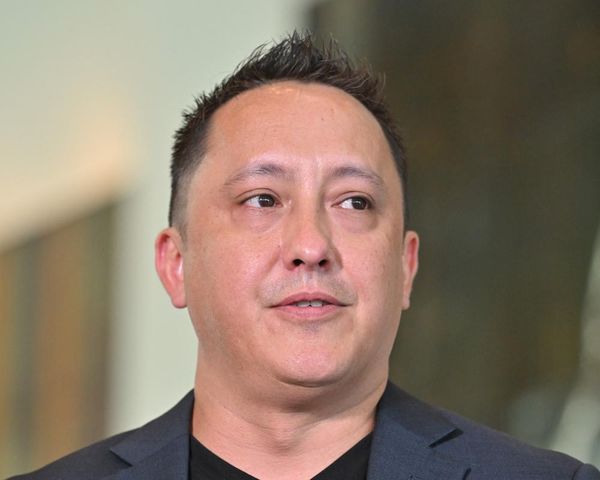
Matthew Patten is chief executive of the Mayor’s Fund for London and is a speaker at the ACEVO annual conference on 17 November.