Love Island contestants have told parliament that they did not mind earning the equivalent of £2.80 an hour to be on the show because they can make so much money when they become social media stars after appearing on the programme.
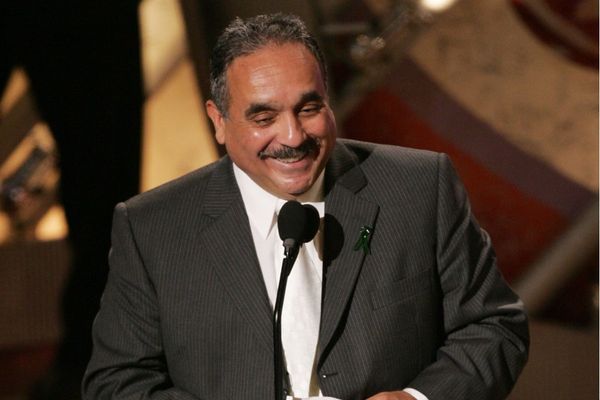
“I’m glad I did because it changed my life and has benefited me in a massive way,” said Marcel Somerville, a former member of Blazin’ Squad who said he was facing redundancy from his day job before he was selected for the 2017 edition of the ITV2 show. “It’s always afterwards where you make your money.”
“I didn’t even know we were getting paid,” added Yewande Biala, a scientist who appeared on this year’s programme. “I just wanted to do something different … it wasn’t really anything to do with money.”
Somerville and Biala were giving evidence to the House of Commons DCMS select committee’s inquiry into reality TV, which was called following the death of a guest on The Jeremy Kyle Show.
Love Island’s support for former contestants also came under scrutiny following the suicides of two former contestants, some time after their stint on the programme ended. The production team this year substantially increased post-show support in a bid to support contestants after they leave the programme, which will now be aired twice a year.
Somerville said the real challenge was not appearing on the reality show itself but adjusting to the level of social media fame and press intrusion that came once he had left the programme: “No matter what you do there’ll be a story about it.”
The occasionally bizarre parliamentary hearing included a moment when the MPs studied a video clip from this year’s series of Love Island in which the female contestants donned Playboy-esque bunny outfits while jogging on running machines and attempting to eat a carrot without using their hands.
“The gym bunnies routine, some people might say it portrayed a certain stereotype of female beauty, having the girls dressed in bunny costumes,” said committee chair Damian Collins. “Do you feel sometimes the show crosses the line in terms of how it portrays women in particular?”
“No, I don’t think I’ve ever thought about it,” replied Biala. “Most of the challenges we do are just really fun, we appreciate getting out of the house. I’ve never sat down and thought about how it reflected women in any type of way or form.”
Somerville added: “Even the boys, we have to wear speedos. I wouldn’t usually wear speedos – it comes back to confidence again. They put people on there who are up for having a laugh and having fun.”
Although MPs pressed the two witnesses on their treatment by the show’s producers, both witnesses were mainly upbeat about their experience, pointing out that they had benefited from appearing on the show and there was no attempt to get them drunk on camera – with contestants limited to two glasses of wine a day. Biala said that during the 2019 series welfare staff would come on to the set for an hour a day and make sure contestants were well: “They’d come in and they became our friends. We felt comfortable speaking to them.”
She also said there was not the high level of behind-the-scenes manipulation that is traditionally associated with the reality TV genre: “I don’t think the producers have a heavy hand in how you do things and what you say. There are instances where if I was having a conversation with someone else, one of the producers could come up and say ‘well if you feel like that would you not speak to that person?’ Things like that have to happen so the public can understand me better and the situation better.”