New Zealand's wildlife is often viewed through the lens of the last few thousand years. Fossil deposits from relatively recent periods have provided detailed records of the birds that inhabited the islands before human settlement, while much older discoveries have offered glimpses into ecosystems that existed millions of years earlier. Between those two eras, however, the story has remained surprisingly incomplete.
A newly described fossil assemblage from a cave on New Zealand's North Island is helping to close that gap. According to a study published in Alcheringa, titled “ The first Early Pleistocene (ca 1 Ma) fossil terrestrial vertebrate fauna from a cave in New Zealand reveals substantial avifaunal turnover in the last million years ”, the remains date to around one million years ago and represent the country's first known Early Pleistocene terrestrial vertebrate fauna recovered from a cave. The fossils reveal a bird community that looked markedly different from the one encountered by humans many thousands of years later, suggesting that major ecological change was already underway long before people arrived.
Get breaking news anytime, anywhere. Download the TOI app now!
New Zealand's ancient cave preserved million-year-old bird and frog fossils
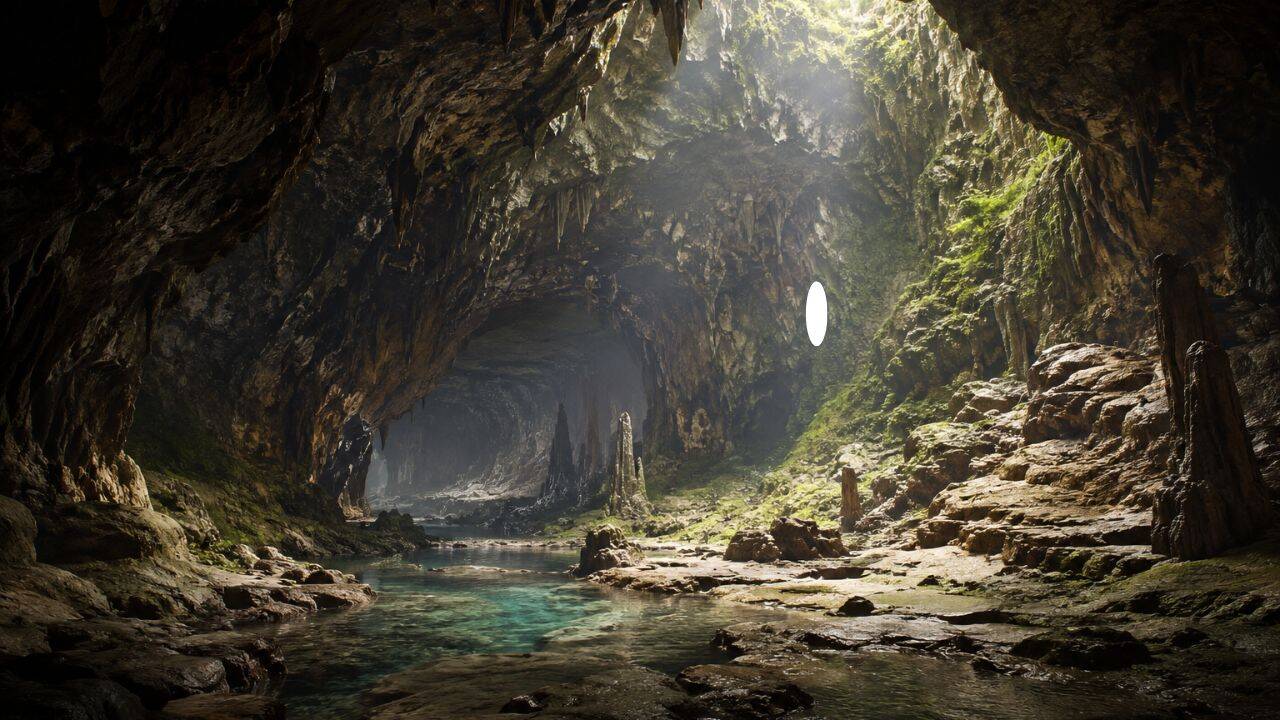
The fossils were discovered in Moa Eggshell Cave near Waitomo, a region known for its extensive limestone cave systems. Hidden within layers of sediment were the remains of birds and frogs that once inhabited the surrounding forests during the Early Pleistocene.
According to the study, dating the site was made possible by volcanic ash deposits preserved within the cave. The fossil-bearing sediments sit between ash layers produced by eruptions approximately 1.55 million and one million years ago. Additional dating evidence from mineral formations above the deposits helped narrow the timeframe further. Together, these geological markers provide one of the clearest age estimates for any terrestrial vertebrate fossil site from this period in New Zealand.
The cave effectively acted as a natural archive, protecting evidence of an ecosystem that disappeared hundreds of thousands of years before the first humans reached the islands.
New bird species discovered in New Zealand's ancient cave fossils
Among the fossils were remains belonging to four species of native frogs and at least twelve bird taxa. Several of these birds have no known record in younger fossil deposits, indicating they vanished sometime during the following million years.
As per the research team, two previously unknown bird species were described. One, Strigops insulaborealis, belonged to the same lineage as the modern kākāpō. Unlike today's large flightless parrot, this ancient relative may have retained the ability to fly. Its skeletal structure appears different from that of the modern species, although further study will be needed to understand exactly how it lived.
Another newly identified species, Porphyrio claytongreenei, adds to a growing picture of a bird community that has no direct modern equivalent. The cave also yielded evidence of a pigeon related to Australian bronzewing pigeons, a lineage not previously recognised in New Zealand's fossil record. Together, these discoveries point to a far more varied avifauna than scientists had previously documented for the period.
Climate change and volcanic eruptions drove ancient bird declines in New Zealand
The fossils suggest that New Zealand's ecosystems were not static during the last million years. The researchers estimate that roughly one-third to one-half of the bird species represented in the cave deposits disappeared before the Late Pleistocene.
The timing coincides with a period when glacial and interglacial cycles became increasingly intense. Repeated changes in temperature and rainfall would have altered habitats across the landscape, affecting forests, wetlands and food resources.
Volcanic activity may also have played an important role. The fossil site is associated with deposits linked to major eruptions, including the Kidnappers eruption about one million years ago. Such events could have transformed vast areas through ashfall and environmental disruption. Ground-dwelling birds and species with specialised habitat requirements may have been particularly vulnerable to these changes.
Rather than a single extinction event, the evidence points towards a prolonged period of ecological turnover driven by natural environmental pressures.
Moa eggshell cave fossils fill a missing chapter in New Zealand's history
For decades, scientists have relied heavily on two distant windows into New Zealand's past: the much older fossil deposits of St Bathans and the younger fossil record extending into the period before human arrival. What happened between those intervals remained largely uncertain.
The Moa Eggshell Cave fossils provide a rare glimpse into that missing chapter. They reveal a landscape inhabited by birds and frogs that were already responding to changing climates, shifting habitats and powerful geological events long before human influence became a factor. Human settlement would eventually bring another wave of dramatic change, but the evidence from this cave makes it clear that the story had begun much earlier.