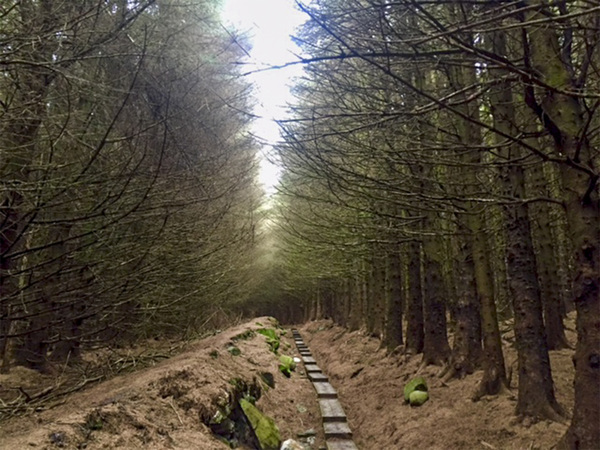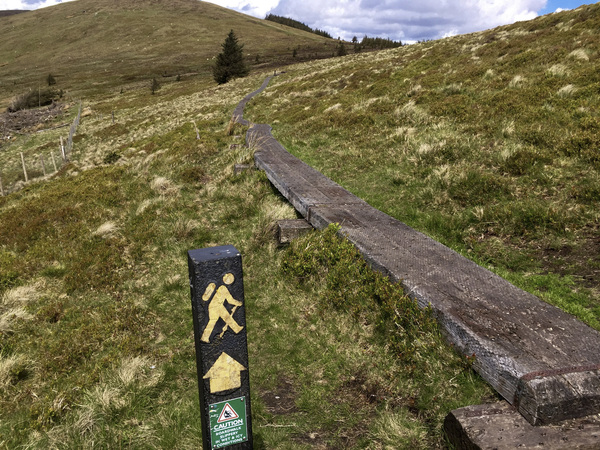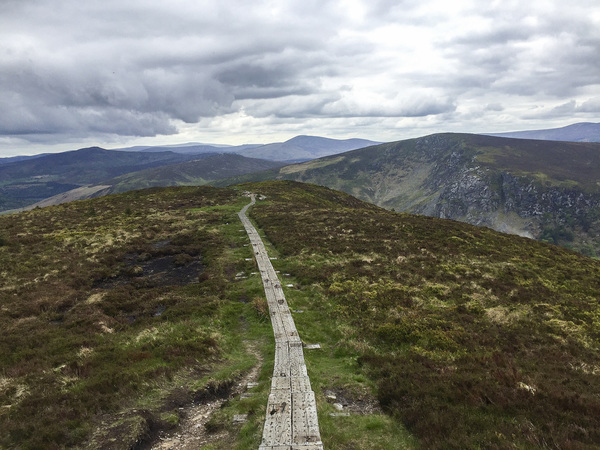
I trudged up the pine tree-lined trail, pulled out my map and pressed my finger onto the red-dotted line zigzagging across the page. I willed it to tell me where I was.
Just two hours into a hike in the Wicklow Mountains of Ireland, I was already lost.
It seemed a dubious start. My four-day trip was supposed to be a find-myself-in-the-wilderness solo hike _ a mini Cheryl Strayed-inspired journey _ to cope with turning 30. This escape for my self-perceived life crisis was also a return to the country I had fallen in love with while studying abroad in Cork. Then, I was a broke college student focused on pubs and sightseeing. Now, nearly 10 years later, I wanted to immerse myself in the countryside _ with a few pints along the way. What better place to find inner peace than in the scenic Irish mountains with their picturesque ocean vistas, bog-topped hills and lush green fields.
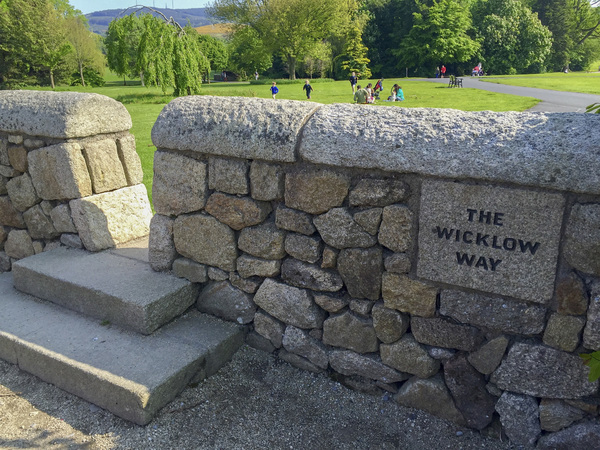
I crossed the land on the Wicklow Way, Ireland's first and oldest "way-marked" trail. Established in the early 1980s, the trail skirts between parts of Wicklow Mountains National Park, crosses private farm fields, winds along curvy narrow roads and becomes one with old gravel logging roads. Hikers meet an obstacle course of sorts: climbs over wooden stiles, or fences. Only 40 miles south of Dublin, it's one of Ireland's most popular trails.
I would hike only half of its roughly 130 kilometers, or 80 miles _ the pastoral northern section _ and stop overnight at B&Bs.
After spending time on the crowded streets of Dublin and the iconic Cliffs of Moher on Ireland's west coast, my first walking tour would be a quiet escape from the masses. I'd booked through a self-guided walking tour company; its driver dropped me off at an ascent up the Irish mountains, which are akin to Minnesota hills but still sweat-inducing.
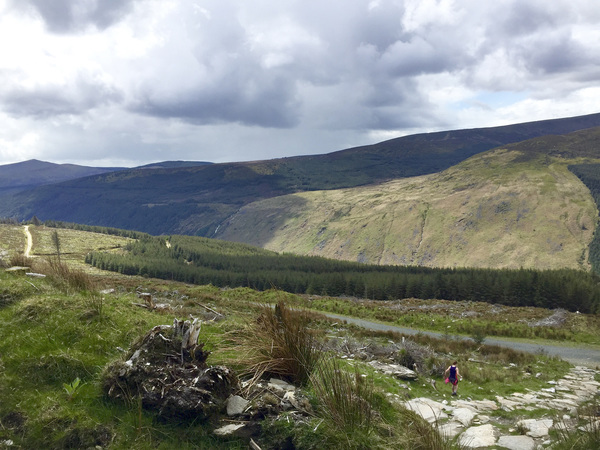
With a backpack crammed with essentials and a mission to trek back to Dublin, I inhaled deeply and began.
My confidence quickly waned. The trail seemed to split at an old logging road. As I glanced between my map and a guide sheet, I began to doubt my navigational skills. With no one to consult, I had to trust my own choice: the trail that wound its way across the hilltops.
I was rewarded with the sweet scent of pine needles filling the cool air, and an abrupt crack of thunder. Raindrops sprinkled as I descended to the misty valley below, passing towering pines, gurgling creeks and bubbling waterfalls.
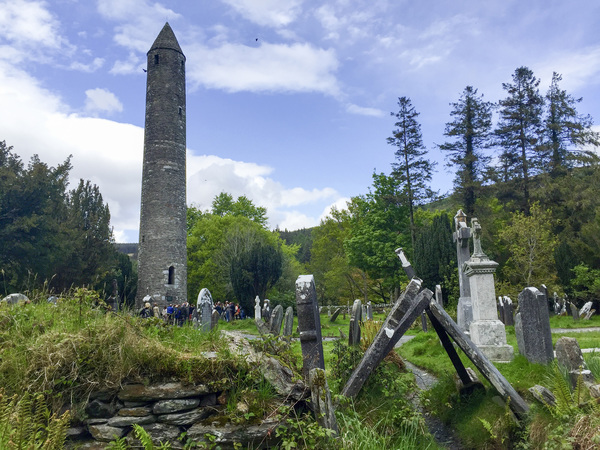
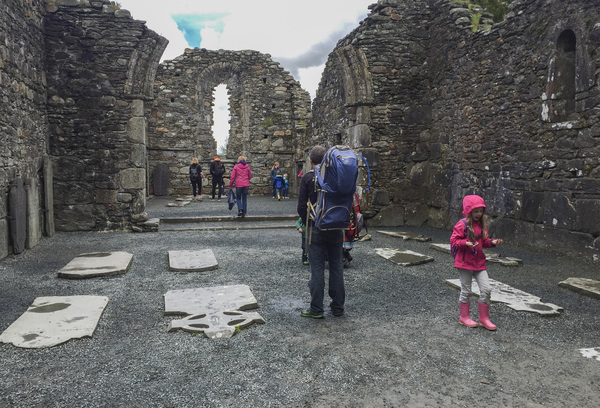
Suddenly, the remote trail put me smack dab in Glendalough, Irish for the "valley of two lakes." So much for escaping the crowds. Conversations in Spanish, French and German filled the air as droves of tourists marveled at a monastic site founded in the sixth century. I dropped my backpack with a thump at the first of the peak-framed lakes and took in the scene myself. Water lapped at the conifer-covered shoreline as a yellow Labrador darted into the water to chase ducks.
Beyond the tour buses, I climbed over a wood stile into a dense forest and was alone once again.
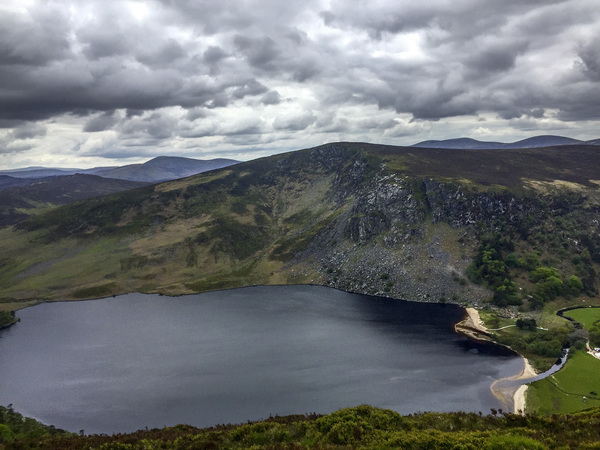
At the top of a steep hill, I caught my breath at the impressive 360-degree view of the lakes below and rolling hills. Gorse _ yellow-flowered prickly bushes that stood as tall as cornstalks _ filled the air with its coconut-like scent and brightened the path.
I clutched my map and laminated guide sheets that had simple instructions such as "Take a left when you reach the forest" or "Pass a stone wall."
Next: "Look for Scots Pines." I puzzled over the trail that wound through a forest and regretted not googling an image of a Scots Pine. Finally, I stumbled onto a narrow road and held my breath as cars zoomed by on their way to the village of Laragh.