On Wednesday, Wells Fargo & Co. issued a report, predicting "a mild contraction in U.S. GDP" in this year's second quarter, "with a return to growth in the following quarter."
On Thursday, the bank erased that prediction and said that "the events of the past 24 hours or so have made it painfully obvious that we need to rethink this forecast."
"The coming contraction will be deeper and more protracted than we were anticipating just a few days ago," making a recession "increasingly likely," warned Jay H. Bryson, acting chief economist, in a report to clients.
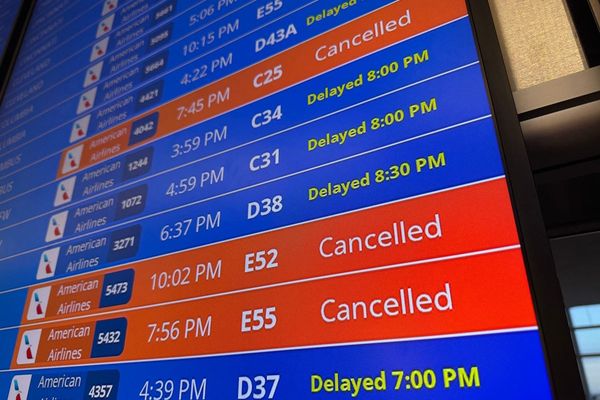
"The airline and hotel industries are in free fall, and there will be multiplier effects from cutbacks in those industries," Bryson said. "Moreover, banks will likely begin to tighten credit standards _ credit spreads in the corporate bond market have already widened significantly _ and the uncertainty that pervades the nation at present is an awful backdrop for business-fixed investment spending."
Manufacturers and retailers will be next, he predicted: "Businesses may be loath to displace workers right now, but layoffs will eventually commence when order books begin to dry up."
Instead of a half-percent rate cut when the Federal Reserve meets March 18, and gathers again April 29, the "meltdown" in financial markets and the "dark storm clouds" over the economy will accelerate the rate cut. That will return the rate the Fed charges banks to below 0.25%, back where it was during the Obama administration's recovery from the Great Recession in 2008 to 2015.
Bryson noted that recent cuts have not reduced mortgage rates, and he said the Fed should react by buying more mortgage-backed bonds, instead of piling up low-rate Treasury securities. Maintaining the current policy would likely bring on "negative interest rates," he warned, in which savers would pay banks for holding their money. The report cited the steep fall in U.S. stock values that accelerated after President Donald Trump's address on the coronavirus Wednesday night and the Federal Reserve's promise to make more money available to banks.