Do I study a BA in Drama, or do I pay about £20,000 for a place at a prestigious drama school? This is the question, recently raised by the Stage, that hopeful drama students may be asking themselves when deciding on their future post-college.
The university versus vocational training debate is even more relevant in view of the tuition fee rise next September. Such financial pressure is compounded by graduates who have already been through the process claiming that "the industry is 10% what you know, 20% talent, 30% who you know and 40% luck". But how much is also about looking the part? The acting profession is tough, but it can be even more demanding if you do not have the "look". This is the painful challenge facing a handful of aspiring actors and actresses who are facially disfigured.
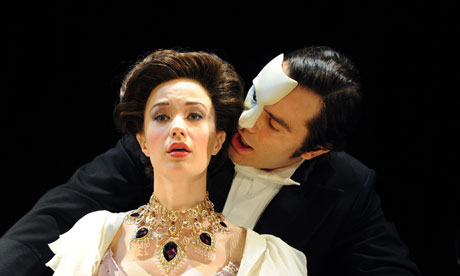
There is evidence to suggest that cultural outputs are responsible for the prejudice society holds against people with visible differences. Films such as Phantom of the Opera and Batman do not help the cause, casting characters with deformities that reinforce stereotypes of disfigurements as sociopathic, menacing and barely human. The Phantom hides his scar tissue behind a mask, and Harvey Dent turned insane and took on the pseudonym Two Face after having acid thrown in his face. Yet despite being faced by visual challenges and misrepresentations, some students decide to put themselves through a vigorous process in the hope of becoming an actor or actress.
I spoke to drama graduate Alexandra Harris*, who has a cleft palate, about the hurdles she has faced since graduating in 2009. Her frankness revealed to me how fickle the industry can be, and how beauty often rises to the top ahead of talent.
*Name has been changed.
On university years
Attending university was a daunting prospect. I guessed that as moving from college to university was a transitional stage in everyone's life then other students would have matured, and to some extent this was true. I didn't expect the looks and comments to suddenly stop. There was a period of a few months in which time I had to get comfortable with my new surroundings.
On auditioning
Walking into an audition gives me the feeling of being an elephant in the room. While I have never received any hostile reaction or awkward smiles, I do have the feeling that the disfigurement weighs against me. Combatting this feeling, that I am some sort of outsider, is a major obstacle I know I have to overcome, and in the process it also may have been a stumbling block in the past. I keep telling myself "if I can walk down the street and not worry about strangers staring, then why should I be worried when I'm in an audition doing what I love – acting?". However, I then think to myself who would they rather cast, a girl with a cleft palate or a girl with fuller lips.
On acting roles
Since finishing my degree I haven't had any major roles. It's a strenuous time for anyone looking for work, so I've been doing shifts in a bar to help me with living costs – which is ironic, given that I'm concerned about the acting profession's approach to disfigurement. This type of work allows me to experience the glamour of beauty, sexuality and alcohol that too often filters through to TV programmes, and it's a constant reminder of what I'm up against.
Someone once asked: "Why don't you just apply for roles that require the character to be disabled or disfigured?" Yes this would be an easier option but for me acting is a chance to disconnect my disfigurement from my talent. If disfigured actors are continuously typecast as wounded soldiers for example, then this contradicts any argument on giving aspiring actors and actresses who aren't conventional more acting opportunities.
On advice for aspiring actors with disfigurements
If students with disfigurements aspire to be actors/actresses but are discouraged on the grounds that they do not look the part, or are going to find it a struggle to find work, then this will undermine the representation of disfigurement and reaffirm the industry's focus on looks and beauty. I feel that a leading broadcaster needs to step out of the box and break the mould; why not cast an individual with a burn as the love interest of a protagonist? Yes it may shock viewers, but after shock comes acceptance and eventually normality. The only way facial prejudice can be curbed is by tackling the issue head on, and as culture is responsible for many of the stereotypes that exist, TV shows owe it to us to represent disfigurement fairly.
This content is brought to you by Guardian Professional. To get more content and advice like this direct to your inbox, sign up for our weekly Careers update.