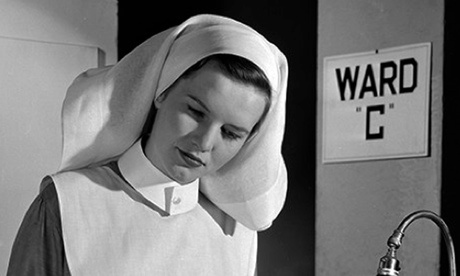
30 December 1846: Modern anaesthesia owes much to the experimental use of sulphuric ether. Witnessing its early use, Dr. Forbes, editor of the British and Foreign Medical Review, proclaimed: “Yesterday we had the satisfaction of seeing this new mode of cheating pain...”
19 August 1854: Don’t be a ‘fool for a patient’, said the Manchester Guardian on hearing that people were taking the advice of quacks instead of proper doctors during a cholera outbreak.
3 March 1915: With soldiers dying from infected wounds, doctors hoped that a new serum for gangrene, developed by the Louis Pasteur Institute, would prevent more fatalities.
12 March 1955: The medical world was saddened to hear that Alexander Fleming, the man who discovered penicillin, had died.
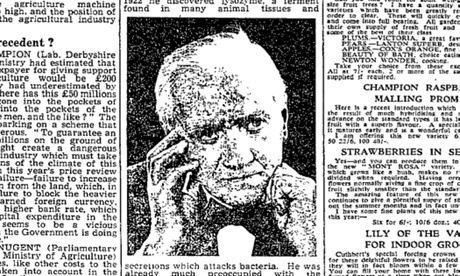
16 April 1955: Doctors in America declared that the nation’s 166-year war against polio was almost certainly at an end.
4 May 1968: Surgeons at the National Heart Hospital, London, carried out the first ever heart transplant operation in Britain. The outcome was ‘entirely satisfactory,’ said reports.
7 January 1970: Dismissed as ‘sexual misfits’, the plight of adults seeking safe gender reassignment surgery was brought to the attention of readers in the 1970s.
17 January 1979: Medical opinion went against the belief held by many governments that cannabis was always harmful. Advisors to the British home secretary in 1979, said: ‘there was no compelling evidence that occasional moderate use of cannabis was likely to have detrimental effects on individual users.’

9 January 1987: Fear of an AIDS epidemic led the British government to fund a modern, hard hitting advertising campaign to tackle ignorance of the deadly disease.