The American civil war, which ran from 1861 to 1865, is remembered now as a battle over slavery - the northern states for abolition, the southern states against - but the roots of the conflict were more complex, as Barbara Kingsolver points out:
History is nuanced. Economics divided an industrialising north from an agrarian south, where cotton plantations exploited enslaved labour for their solvency. Most white southerners, of course, didn’t own plantations or other humans. Poor farmers and sharecroppers were brutally conscripted to fight for the interests of wealthier men.
10 June 1856: An American correspondent, writing about unrest in Kansas, claims ‘blood will flow along the Mississippi and Ohio, unless the President wakes up to the fearful responsibility he holds, and restores peace to the affrighted territory.’
17 December 1860: The Observer, quoting the Chattanooga Gazette, reports that president-elect Abraham Lincoln is ‘opposed to abolishing or interfering with slavery’.
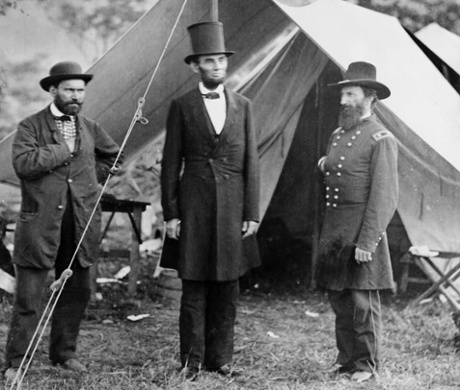
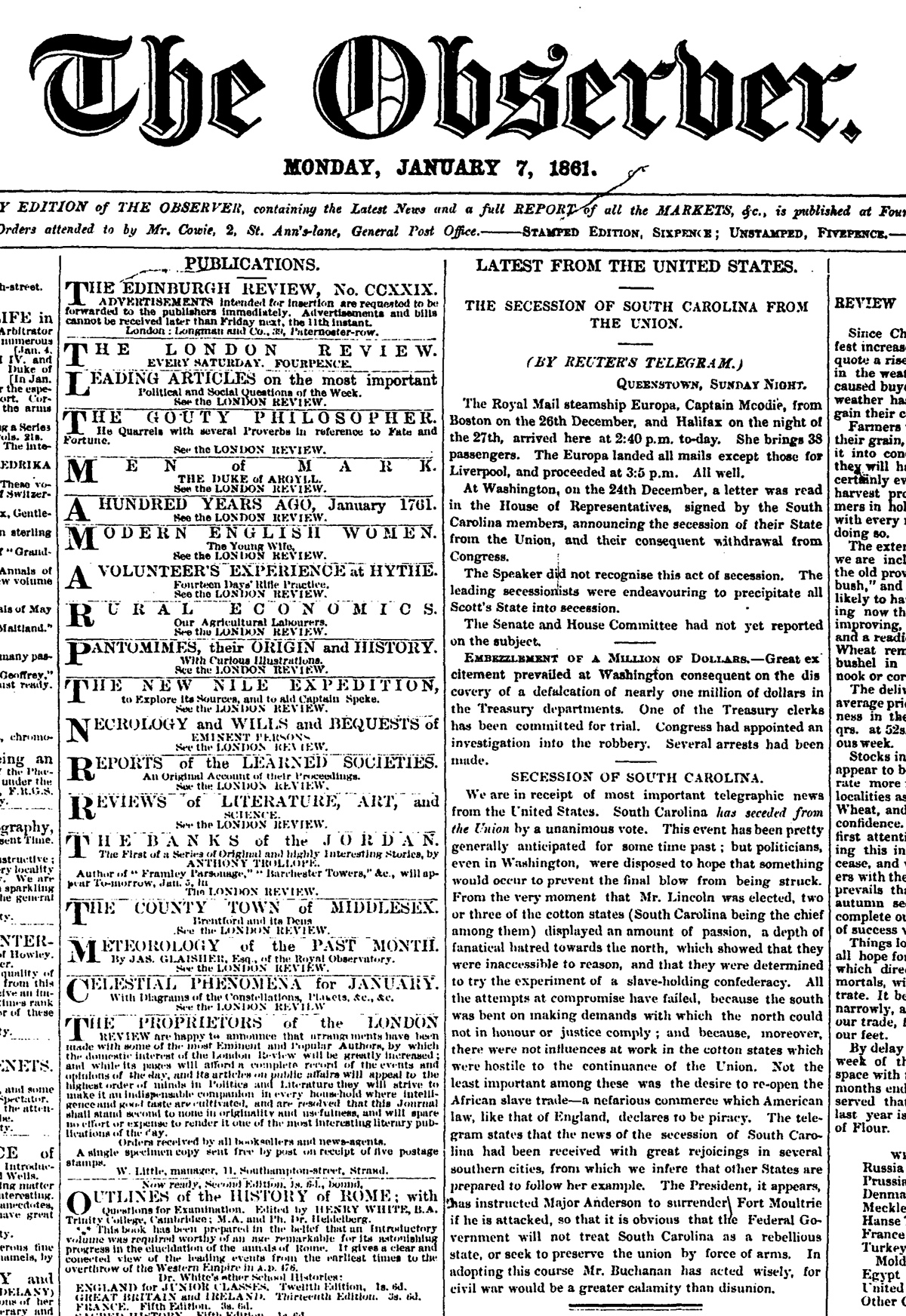
20 December 1860: The secession of South Carolina from the Union makes front page news when word reaches London in January.

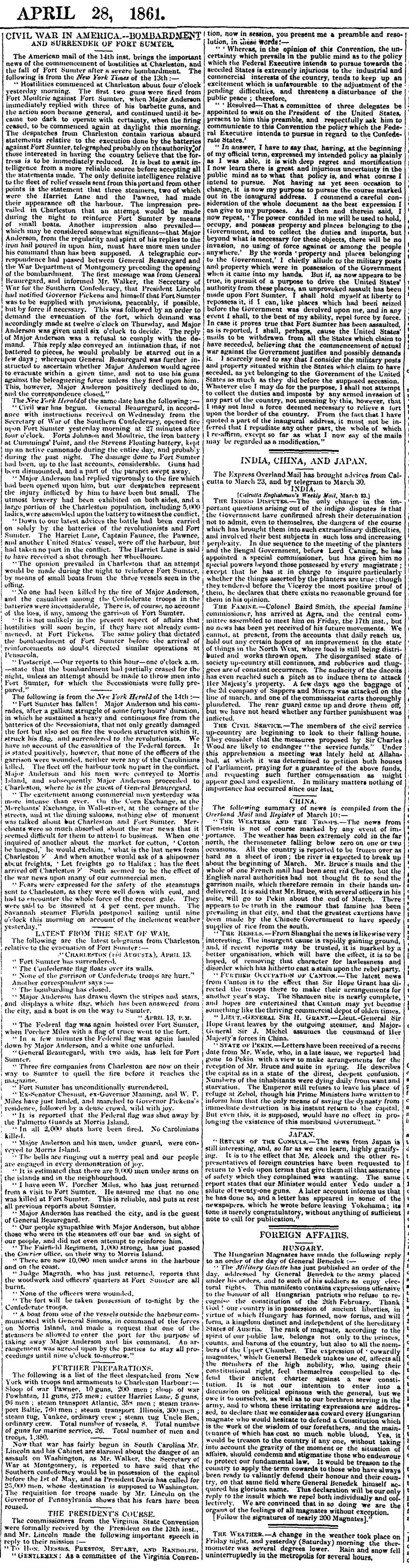
12 April 1861: An attack on Fort Sumter in Charleston, South Carolina starts the civil war.
13 May 1861: Concerned about the effect on trade with America, the Manchester Guardian supports the South and argues for secession, under which slavery would ‘gradually expire’.
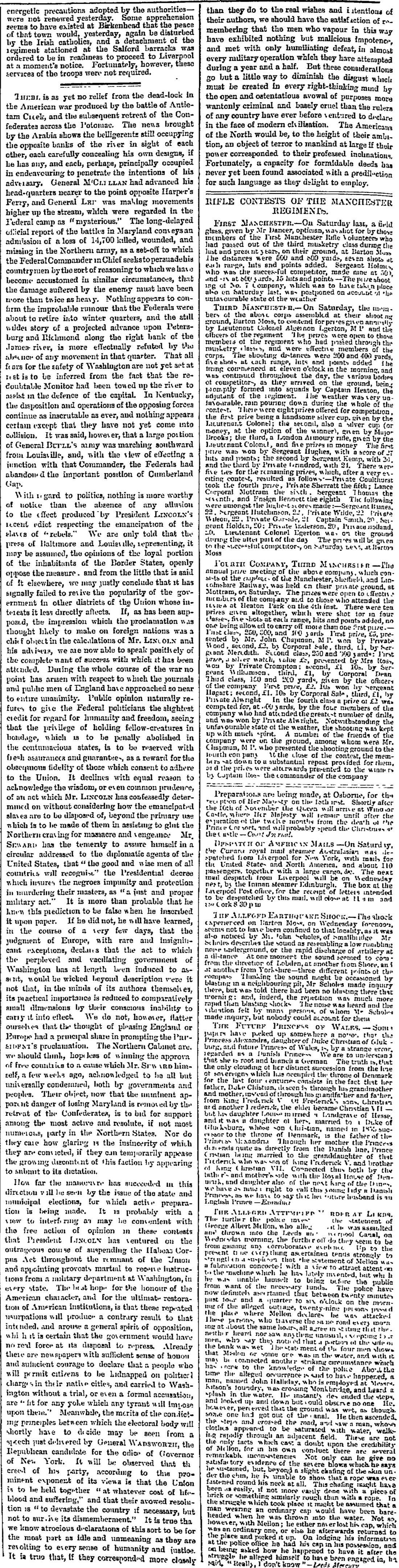
17 September 1862: A day of fighting near Antietam and Sharpsburg leaves over 22,000 dead, wounded or missing.
22 September 1862: The Emancipation Proclamation by President Lincoln, telegraphed to the paper by a royal mail steamship, declares all slaves to be ‘for ever free of their servitude’ and makes abolition a war aim.
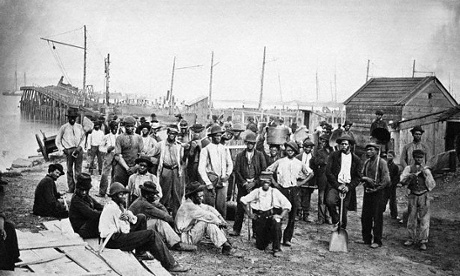
January 1863: Lincoln writes to ‘the working men of Manchester’ thanking them for their anti-slavery stance.
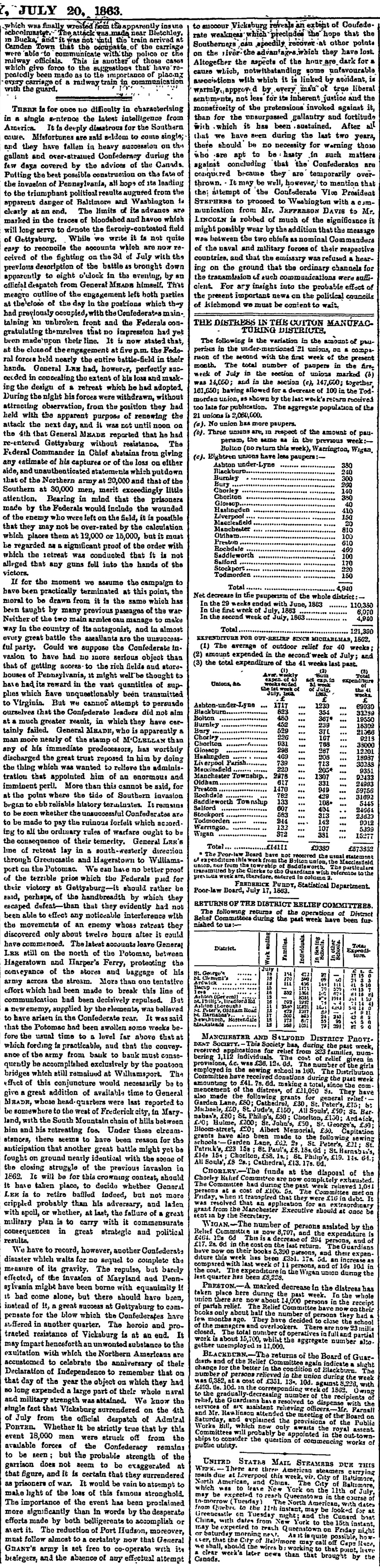
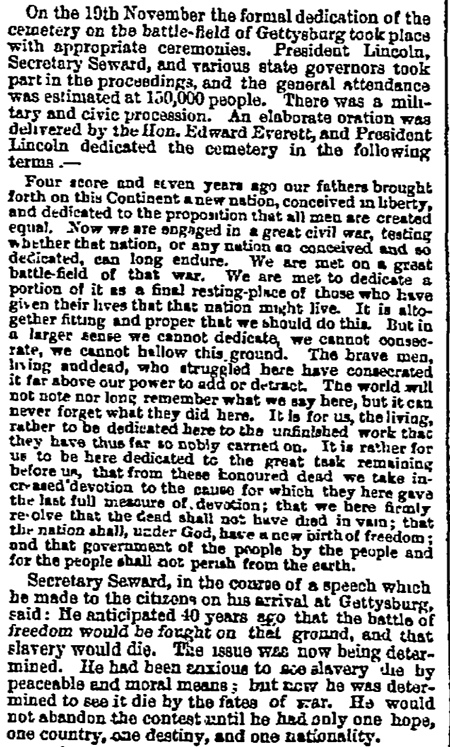
July 1863: Gettysburg marks a turning point in the war as General Robert E Lee’s Confederate forces suffer a major defeat that is ‘deeply disastrous for the Southern cause’. In November Lincoln delivers his famous Gettysburg Address at the site.

7 February 1865: An interviewer writes of meeting President Lincoln, whose expression was ‘one of kindness, and, except when specially moved to mirth, of seriousness and care.’ Two months later the president is assassinated.
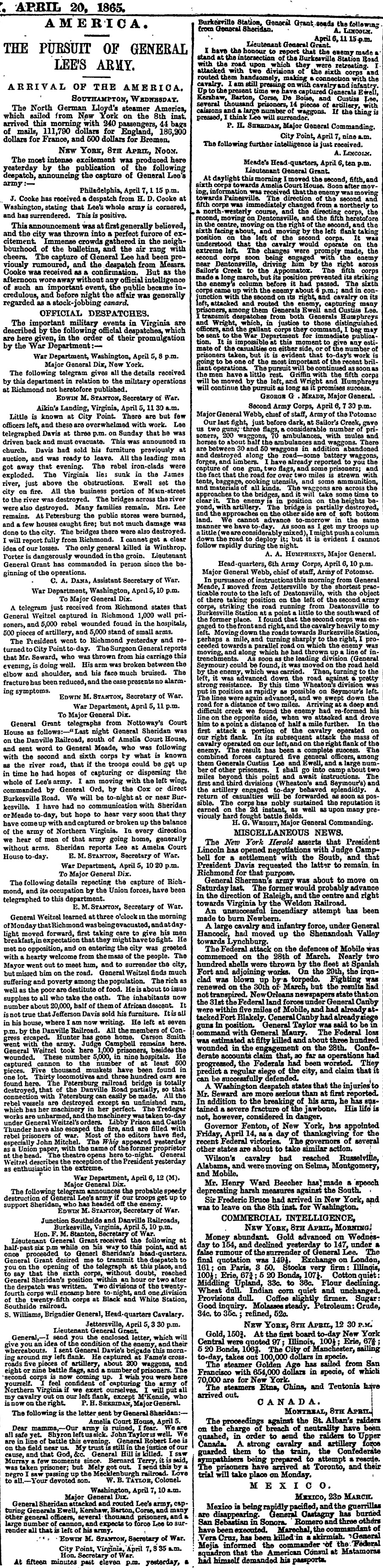
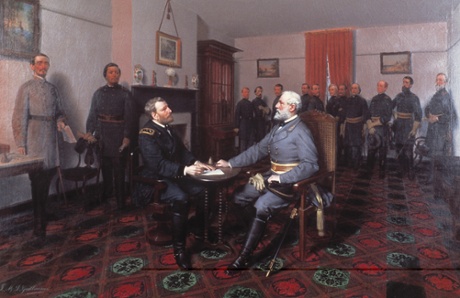
9 April 1865: General Lee surrenders to Union general Ulysses S Grant at the Appomattox court house, Virginia. The last shots are fired two months later.
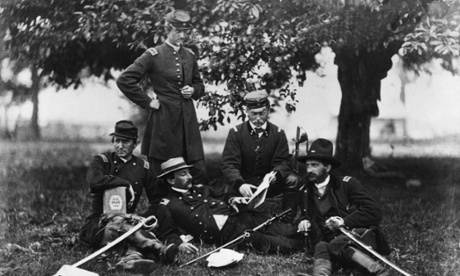
22 June 2015: In the 1860s, photography was in its infancy. David Levene recreates the war’s most iconic images for the 150th anniversary.